web analytics

Memories

You are currently browsing articles tagged Memories.

Back near the beginning of the COVID-19 crisis I wrote a post (pleasantly entitled ‘Make Yourself Happy‘ – fortunately without an exclamation mark) in which I reported on one of the UK national newspaper’s re-posting to their digital site of the ‘live’ minute by minute’ commentary of a favourite footie fixture from some point in the (middle)-distant past (1971 as I recall) – a notion that has, I observe, since been picked up and run with by all and sundry. My observations may have been ‘voiced’ in a tone that the casual reader – someone who doesn’t know me better – might have mistaken for cynicism (Who, me? Never!).

The problem that the broadsheet had accurately and most presciently identified is, of course, that during an extended lock-down – in which none of the usual newsworthy happenings – er… happens – there is nothing much left about which to write – apart from the wretched pandemic itself.

By now even the less fleet-footed amongst the gentle readers of these ramblings will already have figured out where this is going…

Yes – apart from gardening and… um!… well, that’s about it – there is not too much else to write about when one’s existence has been shrunk from our usual mad gay whirl to a really rather limited routine. I am not – of course – complaining. One is – after all – a long time de*d!

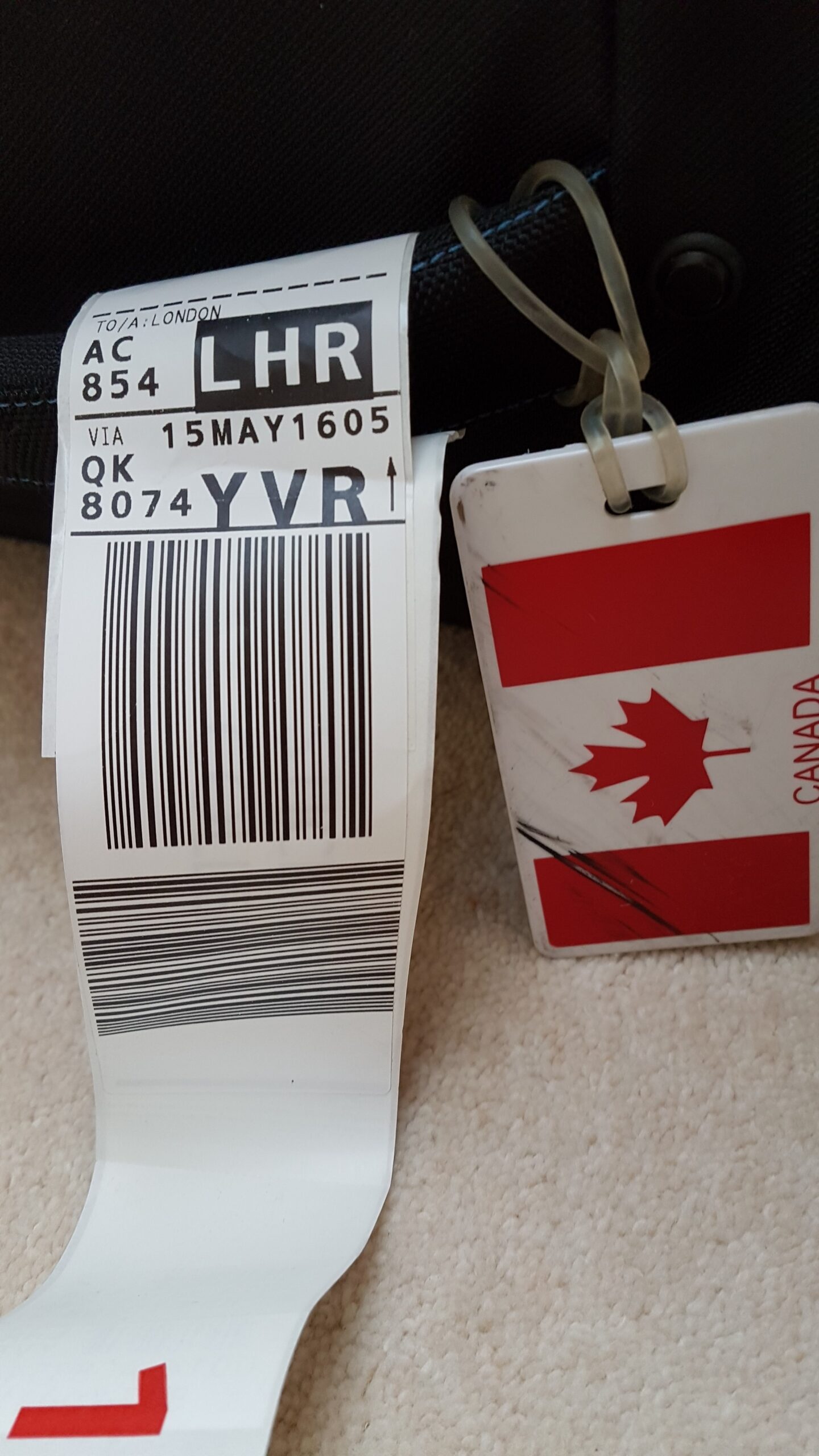
So – in the spirit of The Guardian’s enterprising sports editor I intend to replay coverage – in ‘real time‘ – of our legendary trip to the UK and Europe of this time last year (observe the date on the luggage tag in the accompanying photo). I will be revisiting – virtually – some of the places to which we went and some of the friends and family with whom we spent time a year ago. I will also, of course, be revisiting – somewhat wistfully – the Greek islands. Look out for the posting of some of the photos that didn’t make the cut first time round.

Of course, the whole point about keeping a regular blog is that one has an enduring record of what one did in previous years – and of when one did it. As this is all (somewhat rashly) available publicly (as it were) there is nothing to stop the gentle reader from glancing back through the archives to view the postings from a year ago. What I will be doing, however, is looking back through my rose-tinted spectacles with the 20/20 benefit of hindsight.

One of the first observations to make is how jolly lucky we were to have finally settled on traveling last year. Who knows when we might be able to do so again…
Tags: , , , , , ,

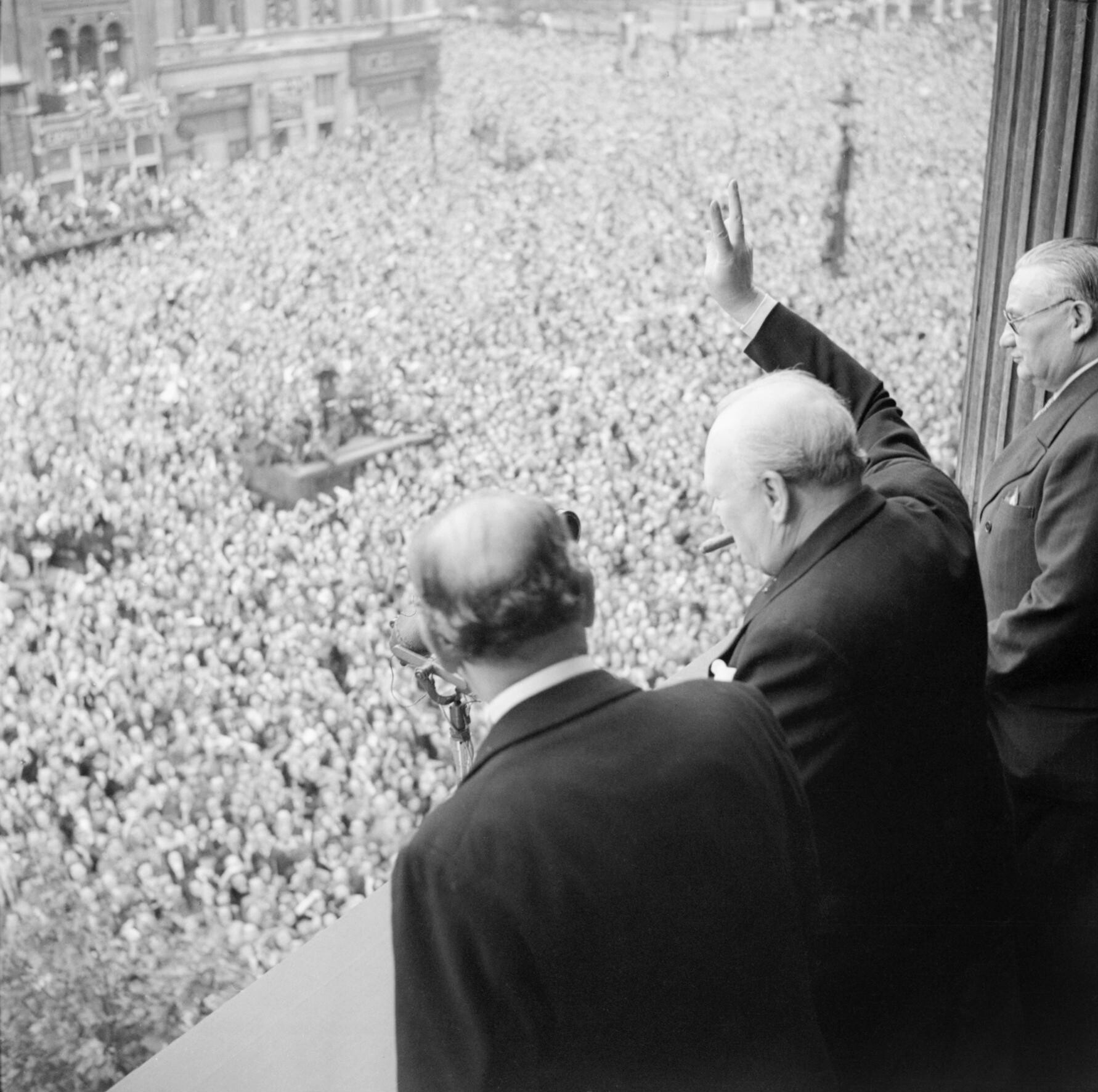
This weekend has seen the seventy fifth anniversary of the end of the Second World War in Europe, the which was celebrated on May 8th 1945 on what was given the soubriquet – ‘VE Day’ – or ‘V-E Day’ – or ‘V Day’ – or ‘Victory Day’ – depending whereabouts on the continent one was.

That this auspicious anniversary should occur in the midst of a global pandemic has, naturally, caused some controversy, since the public celebrations that might have been thought to be the order of the day could not reasonably take place. In the UK at least I can’t help feeling that – even had the situation not been as it is – there would have been some disputes as to the nature and relevance of any celebrations.

David Lloyd George said of the end of the Great War in Europe:

At eleven o’clock this morning came to an end the cruellest and most terrible War that has ever scourged mankind. I hope we may say that thus, this fateful morning, came to an end all wars.”

There are those among us who believe that such a hope should still be the basis of any and all remembrance. In his notable Zurich speech of 1946, Churchill said:

We must build a kind of United States of Europe. The structure of the United States of Europe, if well and truly built, will be such as to make the material strength of a single state less important.”

There are – sadly – those in the UK who happily forget that VE Day was a celebration of the coming together of a continent of nations to defeat a small group of aggressors amongst its number and that the day itself is celebrated by more than just the plucky Brits. These zealots cleave to the image of Britain standing alone (regardless of the fact that she was backed by a huge world-wide empire and openly looked to the New World for salvation) and would love to see VE Day as a celebration of a victory over Europe rather than for it.

The exceptionalism that the UK currently shares with the US has served both nations poorly in their responses to the current pandemic and one of the rich ironies in the UK is that what remains of the generation that fought and won the war is currently dying miserable deaths in the nation’s ravaged care homes. The inevitable eventual inquiry into this tragedy will doubtless record that there had been a number of warnings in recent years as to just such vulnerabilities, the which were – sadly – ignored by successive careless or mendacious governments.

As is so often the case The Guardian cartoonist – Martin Rowson – manages to express in a single image that which I struggle to express in many words.

This moves me – at least – to tears.

Tags: , , , ,

“In the dark times
Will there also be singing?
Yes, there will also be singing.
About the dark times.”

Bertolt Brecht, motto to Svendborg Poems, 1939

This poignant motto appears at the head of the last collection of poems published by Bertolt Brecht during his lifetime. He was by then living in exile from Nazi Germany in the town of Svendborg on the Danish island of Funen.

The ‘dark times’ to which he refers are, of course, considerably darker even than those which afflict us now, but a search on the InterWebNet for uses to which this brief motto has been put reveals a plethora of such instances in recent times – starting with the invasion of Iraq in 2003 and gathering pace since 2016. The latest of which I am aware was by Chris Riddell for his cartoon on the Corona virus lock-down in the UK for last Sunday’s Observer newspaper.

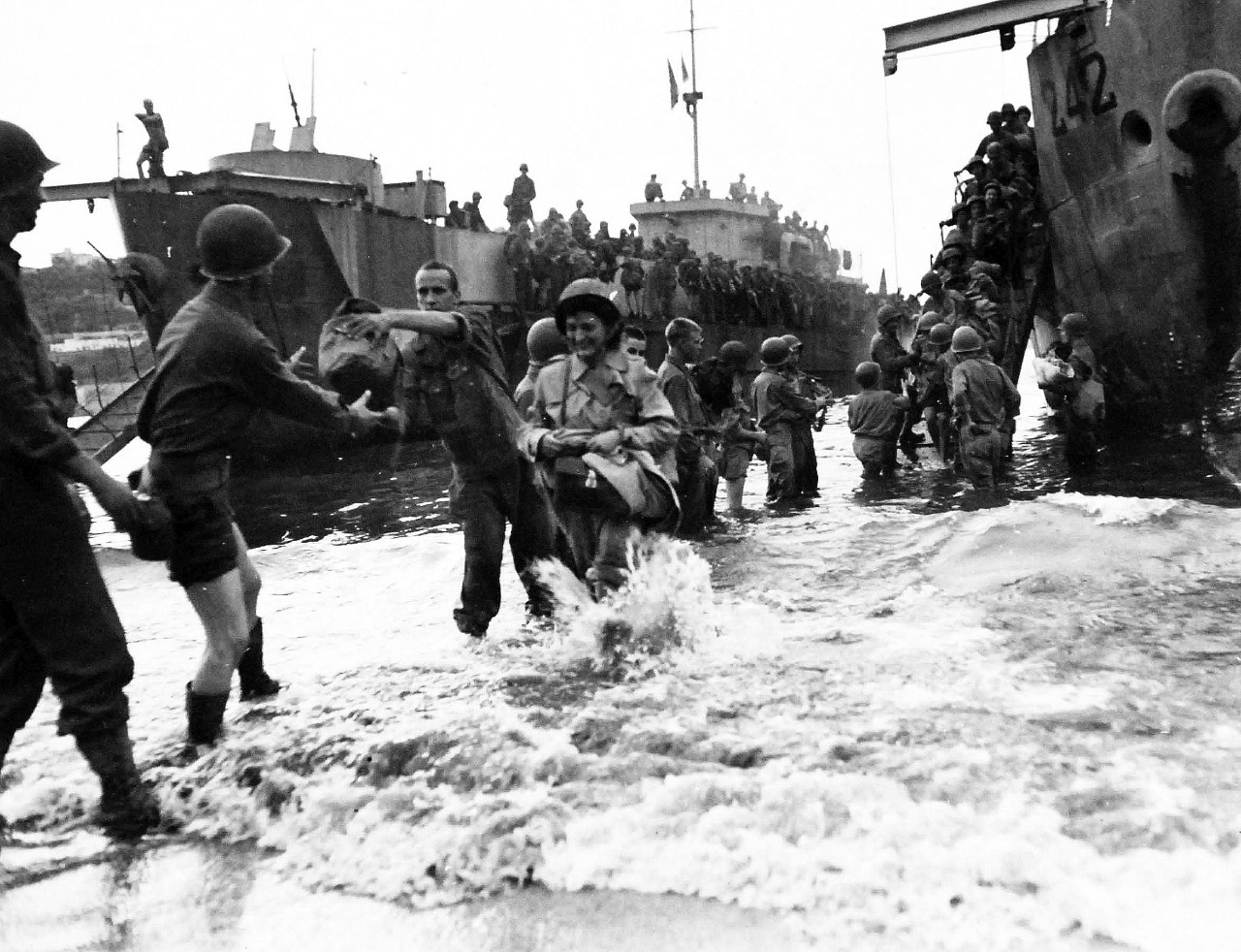
When I first became aware of Normal Lewis’ wartime memoir – through Francesco Patierno’s film, shown on the BBC toward the end of last year – the current COVID-19 crisis did not even feature on the roadmap of impending concerns. Now, of course, contemplation of conflicts still sharp in the living memory has become something of a pastime – or more accurately a ‘pass-time’, since many of us are unable to follow our preferred pursuits and must needs instead find alternative ways to occupy the time that hangs heavy on our hands. It has become quite the thing to compare our current trials and tribulations with those of the generation that lived through the last world war.

There are good reasons for so doing – though even better ones for exercising finer judgement. We do indeed live in unprecedented times. As things stand we have no idea how this is all going to pan out, or into what reality we might emerge on the other side. When we look back we can discern no other period since the last war in which so many people’s lives were simultaneously thrown into chaos by such a crisis – be that through the direct touch of the pandemic itself, or through loss of employment, income or – even worse – of friends and loved-ones.

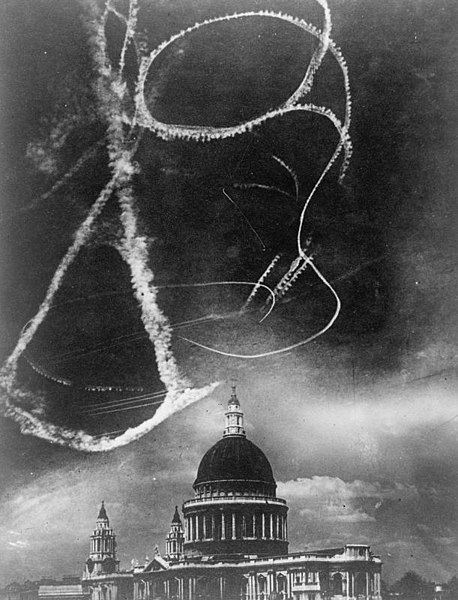
Writing about my father’s war-time experience in Italy – contemporaneous with that of Norman Lewis – I suggested that he had subsequently spoken very little about his experiences there. My mother would describe how she went outside to watch the vapour trails over south London during the Battle of Britain, but otherwise she likewise gave little away about how the war had affected her and those close to her.

We know – we think we know – from our readings of history, from novels and poetry and from the many film and TV productions concerning the war and its aftermath – just how broken and fragmented was the world in the latter half of the 1940s. Populations had been destroyed or displaced, the greater part of a generation had lost their lives, families and societies had been torn asunder, economies wrecked and great expanses of the old world reduced to piles of rubble. How could the world – the lives – ever be rebuilt?

Yet many of those who lived through that period chose not to – or simply could not – speak thereof… and the world – as it does – moved on.

In this age of instant and incessant ‘communication’ there is perhaps a case for saying rather less and listening – and thinking – rather more…

…and – yes! – I am aware of the contradiction in so writing.

Tags: , , , , ,

Inveterate lingerers upon these pages will no doubt recall (quoth he optimistically) my posting back in January of a brace of articles on the subject of the slim volume of wartime memoirs by the British travel writer and novelist – Norman Lewis – that was published in the late 1970s by William Collins and to which my attention had been directed in the closing months of last year by the BBC’s showing of Italian director Francesco Patierno’s impressionistic film that was based upon it.

To save further lengthy sentences containing multiple clauses elucidating the matter, let me save a little time by referring the gentle reader directly to those pieces – which may be effortlessly located here and here.

The articles in question contained the slightly embarrassing admission that I had not, in fact, actually read the book – though I had located a copy online and placed an order. This tome duly arrived shortly after my postings and accompanied us on our jaunt to Mexico back in mid February, where it took but a few days to consume, providing much pause for thought in the process.

The book is fascinating; thought-provoking, disturbing, funny and moving all at the same time. It highlights the chaos and insanity of war and the vivid description that it contains of a society that has been utterly upended and thrown into disarray – in which all human life must struggle to find a way to survive and even ultimately to flourish – offers important perspective and guidance on our own troubled times.

One of the things that struck me most about the book was how contemporary the prose feels. It does not to me give the impression of a piece of writing from the middle of the last century, nor yet of the 1970s when it was actually committed to paper. In my view this makes it even more pertinent today.

Should you wish to know more about the book I earnestly recommend this ‘Re-reading‘ piece from the Guardian back in 2011.

If you have read the second of my earlier postings on the subject you will know that one reason for my interest in the book is that my father was most likely in Naples – and certainly somewhere in that part of Italy – at the same time as was Norman Lewis. Lewis refers repeatedly to the Allied Military Government (AMG) that had been established in Italy subsequent to the landings there. I am pretty certain that my father had some small capacity in that organisation.

The reason that I believe this to be so is that I have seen a number of documents and other items from my father’s time in Italy which bore – as far as my aging memory can recall – the imprint of the AMG.

Why could I not simply check this before commencing this post?

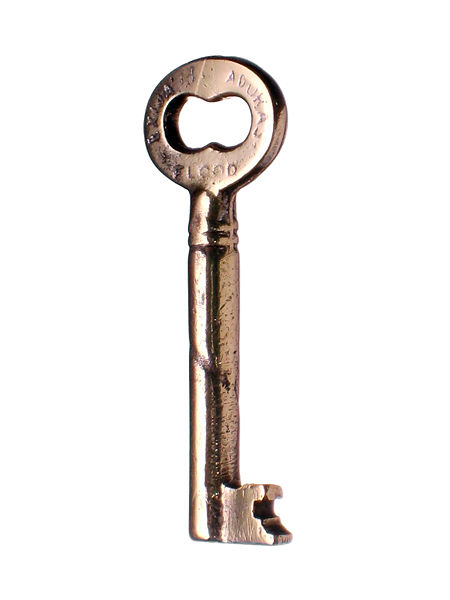
Because said documentary evidence is – as far as I know – apparently irrevocably locked in the desk compartment of my beloved Davenport!


Tags: , , ,

“We are closed in, and the key is turned
On our uncertainty…”

William Butler Yeats

As the world holds its collective breath – uncertain as to what will happen next…

…if nothing else we may find that we have time on our hands for musing – and a still, small space for so doing in this world normally in such a hurry might well be one of the only positives to come out of this calamity.

So – as a TV comedy character in the UK was once wont to exclaim…”Bear with…”

My parents were both hoarders. Which is to say – when my mother passed away and my siblings and I ventured to clear the house where they (and, for a considerably shorter period, we) had lived for almost fifty years, we discovered not only five decade’s worth of papers, postcards, letters, pirated music scores and so forth, but also – amongst many other items of furniture – every chair that they had ever purchased together… as well as some that they had probably inherited. Some of these items were, frankly, no longer in a usable condition but they had nonetheless been left in situ. When we had finished clearing the house it felt almost twice as big as it had seemed beforehand.

This was not to suggest, however, that my parents collected furniture; and certainly not in the sense that they knew anything much about it or had an eye for an attractive or collectable item. My father’s mother had lived (when I was a youngster) with her sister, my great aunt, in a large Edwardian house not that far from Sevenoaks in Kent. When they both passed away – within a month or so of each other – my father executed their estate. Looking around the house – which had not been updated for many a long year – we were struck by some of the beautiful pieces of furniture that they had obviously accumulated over an extensive period. When I asked my father why he would not, for example, hang on to that lovely Victorian dining table and chairs (it being considerably more attractive than the one that they then possessed) he simply opined that “a table is a table“, in spite of clear visual evidence that that was not in fact the case. When said dining room furniture was eventually sold at auction he expressed surprise at the value that was placed upon it and, indeed, at how much it sold for.

I was at the time living in the very first house to which I was a party to the purchase. This was a most pleasant but tiny Victoria terraced cottage and there was scarcely room to swing a (smallish) cat, let alone to find room for further items of furniture – however lovely. At my grandmother’s house my eye had been caught by a really most attractive Davenport writing desk, after which I soon found myself hankering. I certainly did not want it to go outside the family so I persuaded my parents to hang on to it and also to ‘put my name upon it’ as a potential future inheritance. This beautiful item thus eventually found its way – upon my mother’s passing – to our home in South Buckinghamshire, where it looked quite as though it had always been there.

Naturally the piece followed us, first to Berkshire and then eventually across the pond (and a continent) to the West Coast of Canada, where it now sits proudly in our living room.

There is but one small problem, however. The desktop of the Davenport – though unlocked when the movers arrived in the UK – was firmly locked by the time the item was unpacked in Victoria. The key, sadly, was nowhere to be found. In spite of my best efforts since I have been thus far unable to gain access to the top of the desk… which is annoying!

Now – I can sense a certain impatience out there in reader-land. “Why is he prattling on about furniture (however lovely)?” – I hear you asking. “Is he just going quietly bonkers cooped up in doors because of the Corona virus?“.

Well – there is a connection and all will be revealed – but that may take one – or two – more posts…

What? You had something else to be doing?


Tags: , , ,

I remember just how startled I was when I first watched the Maysles brothers’ 1970 documentary on the Rolling Stones 1969 tour of the USA – ‘Gimme Shelter‘ – the which culminated on December 6th of that year with the hubristic free concert at the Altamont Speedway outside San Francisco. I don’t remember exactly when it was that I saw the movie for the first time, but I have watched it many times since.

Now – I never was a great fan of the Stones, though I do get a little of what the fuss is all about. I have only seen them live once – pre-millennium at the old Wembley Stadium in London. I recall being fascinated by Jagger’s ability to control an audience but otherwise being generally somewhat under-whelmed. The best thing they did that day was a cover of ‘Like a Rolling Stone‘.

I do think – however – that ‘Gimme Shelter‘ is a classic song and would be up there on my all-time best list.

I can’t deny that there is a fascination with that particular period in their – and our – history. I have read pretty much all that there is to read on Altamont – from Stanley Booth, Joel Selvin, Saul Austerlitz et al. There has for a long time now been much talk about the event being the antithesis of Woodstock – the end of the 60s – the death of the hippie dream and suchlike, but the main thing that I get from the inevitable golden-anniversary musings is that no-one is really at all clear as to the true meaning – should there be one – of this peripeteia.

I have a fascination for those turning points of history, regardless of the age from which they hail. They are frequently associated (probably understandably) with some form of a loss of innocence – though, given our long and ignominious history, how we as a species can yet manage to hang on to any shred of innocence is beyond me.

Fifty years – seems a good time to reflect on all such that has occurred.

Fifty years?! Where did that go?

Tags: , ,

Wednesday mornings (for another week at least) find me up at crack of dawn (literally!) getting ready to wend my way in to the College for an early lecture.

Even at the height of summer my thought processes do not run very rapidly such an antisocial time of day. In the winter – when it is still dark as I stumble into the shower and fumble with the controls to turn the hot water on full – I barely register as a life form.

It follows – ergo – that nothing much of any import passes through my mind at this point. Thus is was this morning that my usual befuddled musings on the state of the world were unexpectedly leavened somewhat by the sudden thought that – unlike other recent years – at least in this one we have not suffered a relentless tide of deaths amongst the great and the good (or celebrities at the very least).

On arrival at the college and having a few minutes before my lecture I checked the BBC news headlines. Amongst the top stories were announcements of the following deaths:

  • Gary Rhodes – one of the first of the TV celebrity chefs, who influenced many that followed. Gary was the cousin (I think) of a friend of a friend and I met him once at a party. He seemed pleasant enough and he was very tall…
  • Clive James – Australian who made the UK his home – writer, program maker and TV critic for The Observer newspaper in the UK. We loved Clive’s dry wit and brilliant way with words and he was a fixture in our younger days.
  • Jonathan Miller – satirist, writer, opera director, medical consultant and polymath. He was one of the four great names that came out of the Footlights review – ‘Beyond the Fringe’ – back in the 60s, along with Peter Cook, Dudley Moore and Alan Bennett (who is now the only survivor). Jonathan was alumnus of the final school at which I worked and the new theatre there is named for him. Back in the 80s at some point he came to the college of the University of London at which I then worked to give a talk on a book that he had recently published on re-interpreting Shakespeare. It was called ‘Subsequent Performances’ and I still have my copy. He spoke brilliantly without notes for forty five minutes and then did as long again answering questions – also without notes and also quite brilliantly!

These souls will all be sadly missed and yet more figures from our younger and formative days are now no more.

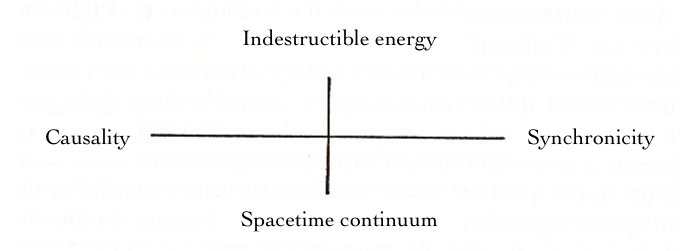
So – that thought of mine in the shower… Synchronicity or what? – (probably ‘or what’!).

Tags: , , , , ,

Remembrance day is with us again.

I have written on the subject of Remembrance Day itself more than once before in these musings and feel no need to add to those thoughts here.

I have been aware this year, however… or maybe actually for the past few years… of a seemingly increasing number of anniversaries that demand reflection and which give us pause for thought.

Now – to my way of thinking these febrile times mean that  ‘pause for thought’ is no bad thing and I have indeed myself been taking the opportunity to reflect on a variety of past events and occurrences which – for many reasons – merit our attention.

Last year brought to an end the four year cycle of commemorations of the centenaries of the many momentous events from the Great War on which we rightly reflect. 2018 also marked the fiftieth anniversary of the happenings of that most startling of post-war years – 1968.

2019 – however – boasts its own share of dramatic commemorations. It is fifty years since the moon landings – and who of my generation can forget that extraordinary accomplishment. It is the fiftieth anniversary of Woodstock and – yet to come – of Altamont, as well as of the start of the troubles in Northern Ireland. It is also the fortieth anniversary of the assassination of Lord Louis Mountbatten. I have written in these pages several times of the urgency of remembering these latter events and of how they came about… in the urgent interests of preventing them from so doing again.

The development at this juncture in the calendar that we perhaps remember as having the greatest emotional impact on those of my generation occurred thirty years ago. I still find it difficult to ruminate upon that extraordinary period in which the Berlin Wall came down and the communist empire that was the USSR dissolved before our disbelieving eyes without finding myself once again moved to tears and I know from the testimony of others that I am far from alone in this reaction.

When I was growing up – turning slowly and belatedly from a callow teenage youth to a young man – there were a number of situations around the world for which we just could not see any hope of resolution. There was the cold war – apartheid – the Arab/Israeli imbroglio – Northern Ireland. These situations we had grown up with and we were resigned to their perpetual continuation.

The fall of the wall thus came as an unexpected and joyful shock that moved grown and hard-bitten men to tears. That it should be followed in the subsequent decades by the ending of apartheid and the (hopefully) permanent resolution of the Troubles in Ireland were more than we could rightly hope for. The middle east? Some things are sadly just too intractable for such hope of success.

One of the many reasons that I could never agree with the frankly ignorant critics who would carelessly destroy the beleaguered BBC is the continuing and excellent quality and relevance of their many documentary strands, the which have enabled me and many others like me to come to understand more fully the essence of these events, as well as to remember and to commemorate them in our own ways in the light of that greatly needed and massively appreciated knowledge.

In memoriam…

Tags: , , , ,

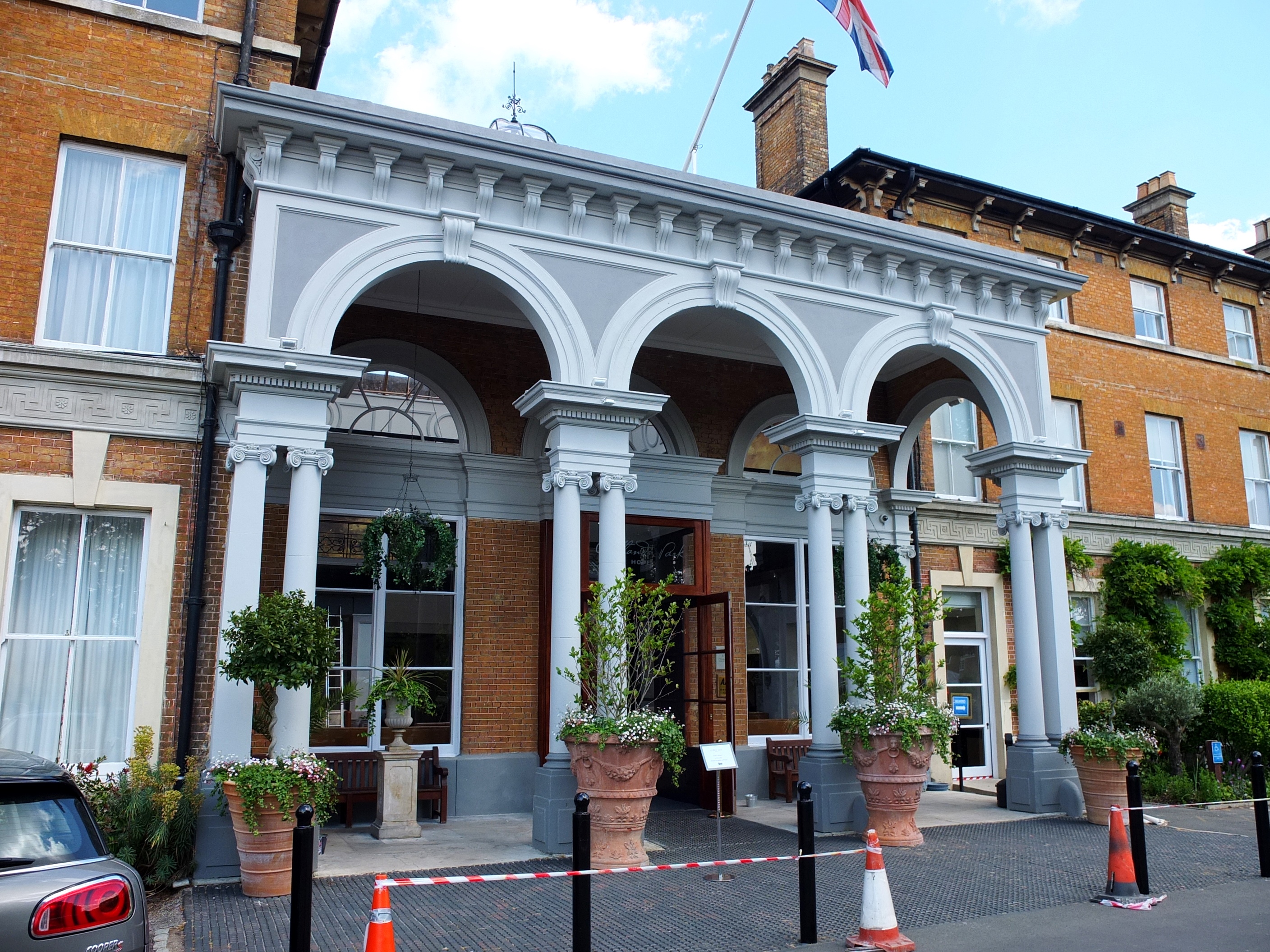
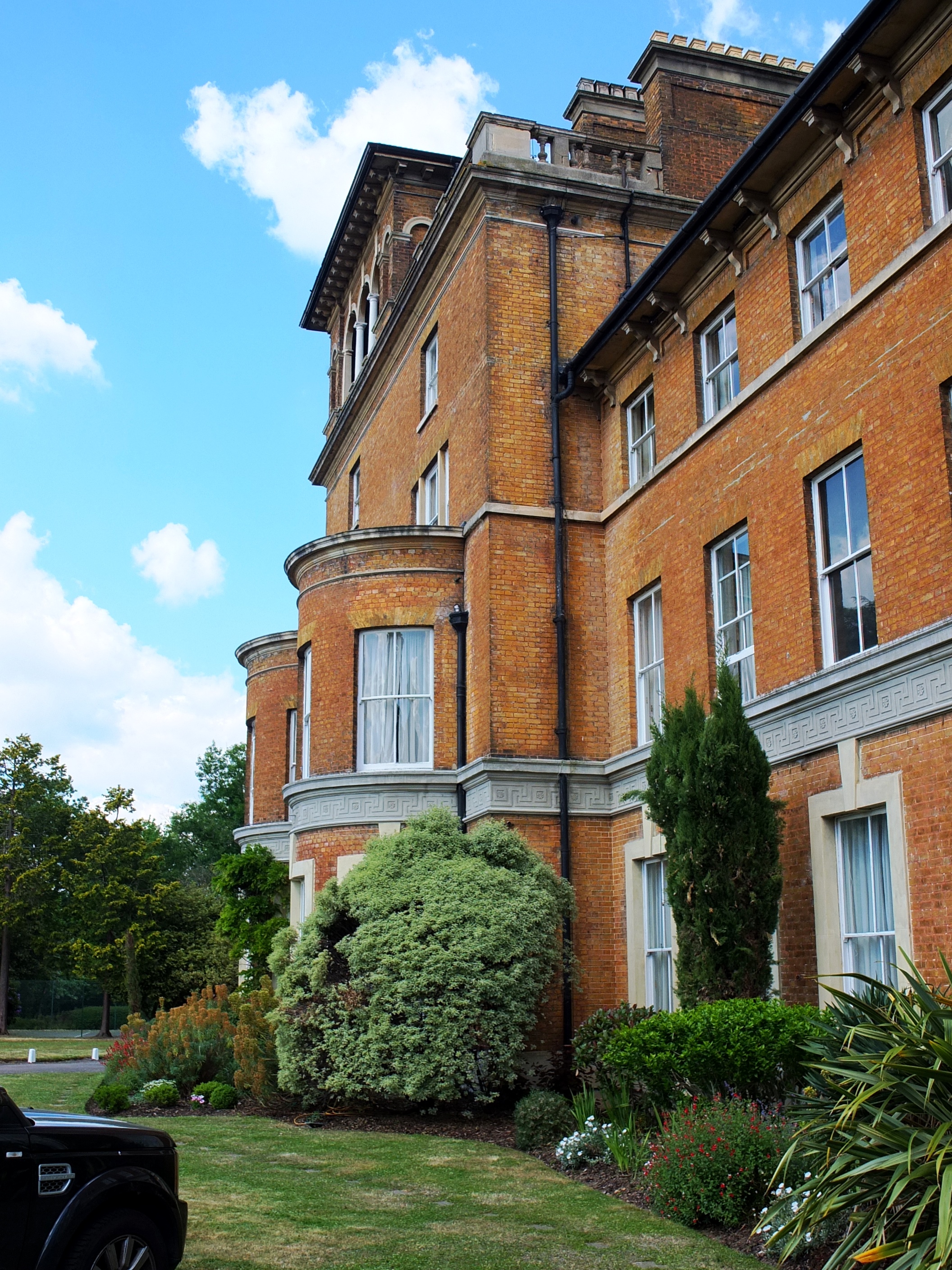
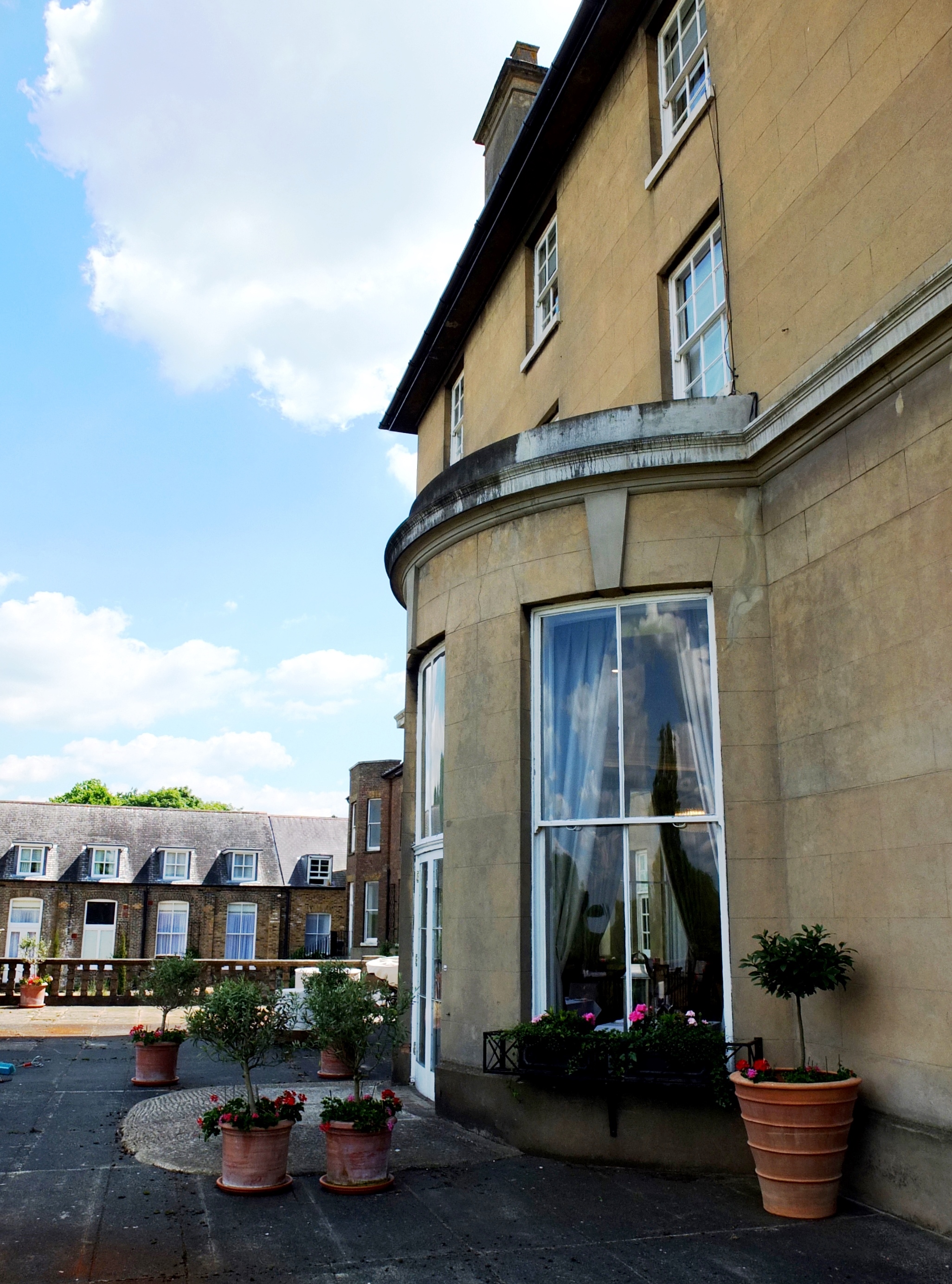
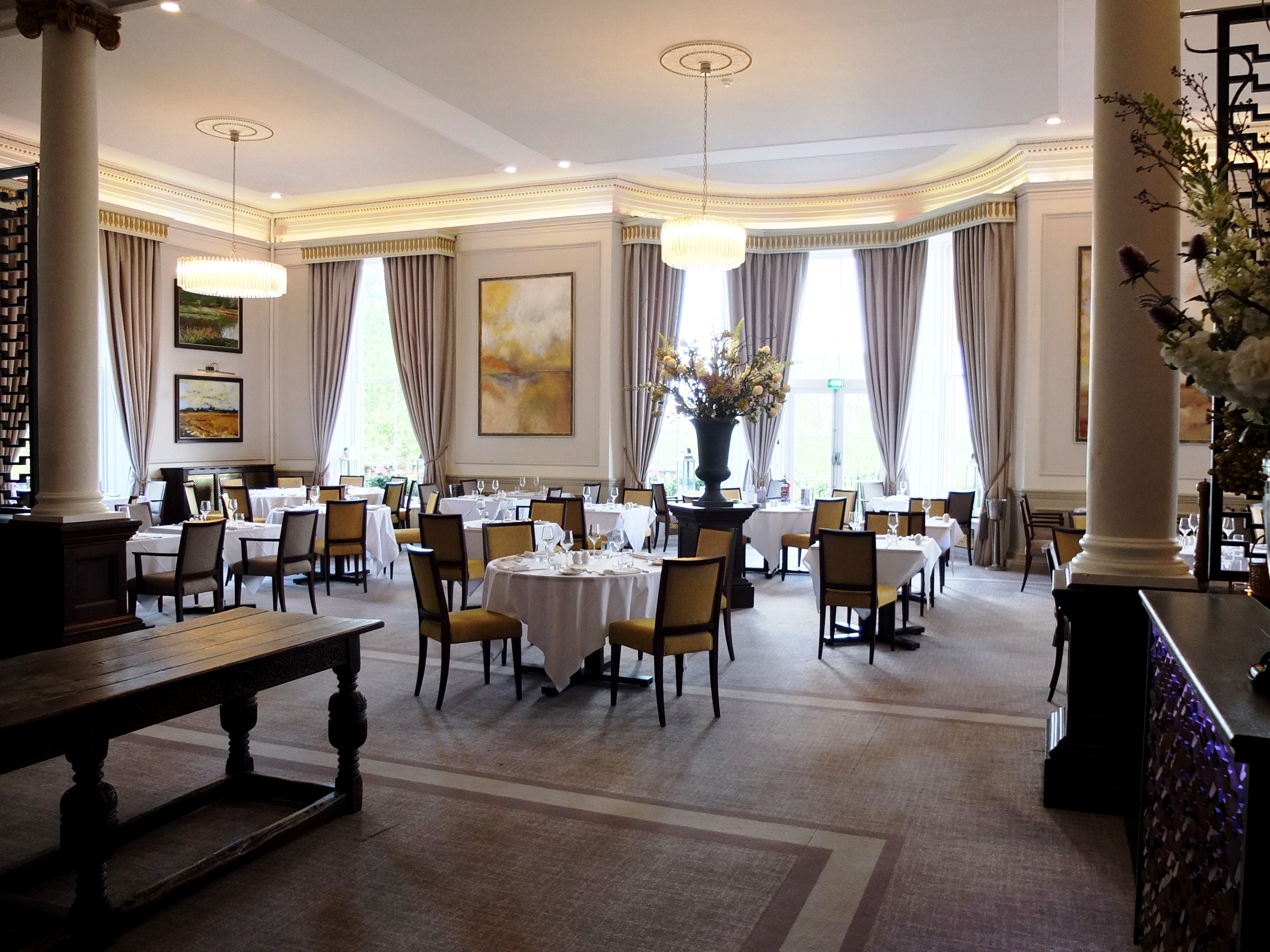
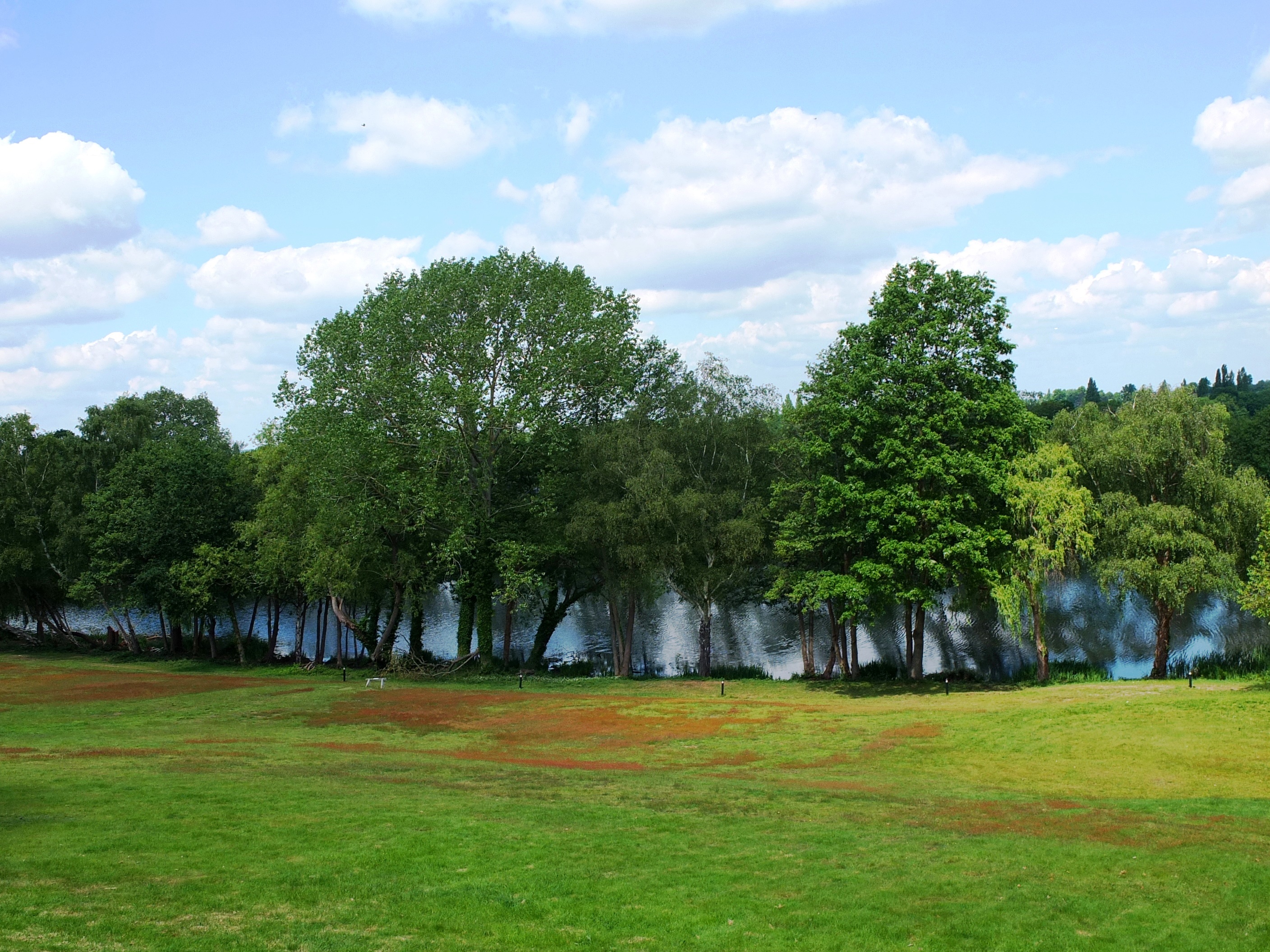
Some photographs of the spookily sparsely occupied Oatlands Park Hotel and its environs (see previous post for context).

Looks like the clientele has not only checked out but also contrived to leave!

Photo by Andy Dawson ReidPhoto by Andy Dawson ReidPhoto by Andy Dawson ReidPhoto by Andy Dawson ReidPhoto by Andy Dawson ReidPhoto by Andy Dawson ReidPhoto by Andy Dawson Reid

Tags: , , , ,

Photo by Andy Dawson Reid“This is an elegant hotel! Room service has an unlisted number.”

Henny Youngman

It had been the intention – on our recent tour of the UK – that with the arrival of The Girl upon those shores we would reside for a week with my brother in the small town in Surrey in which he and I (and our sister) had grown up. As a result of the rule of ‘the best laid plans‘, however, things did not turn out quite as expected.

In preparation for our visit my brother had decided that his bathroom needed to be remodeled (he designs kitchens and suchlike for a living) and he had accordingly set things in motion. Unfortunately, as a result of the late delivery of some essential components and because of an unusual interpretation of the laws of time on the part of his builder, the project had not been completed at the point at which we knocked upon his front door (actually he met us outside but that is not quite such a satisfyingly dramatic scenario!).

No matter! Being the splendidly resourceful (not to mention massively generous) chap that he is he had taken the precaution of booking us (at his expense – thank you!) into a rather splendid hotel not a stone’s throw from his abode. As things turned out this was actually considerably to our advantage, as we were able to entertain in the hotel reception rooms a number of those who we wished to see during our stay but to whom for one reason or other we had not been able to arrange visits.

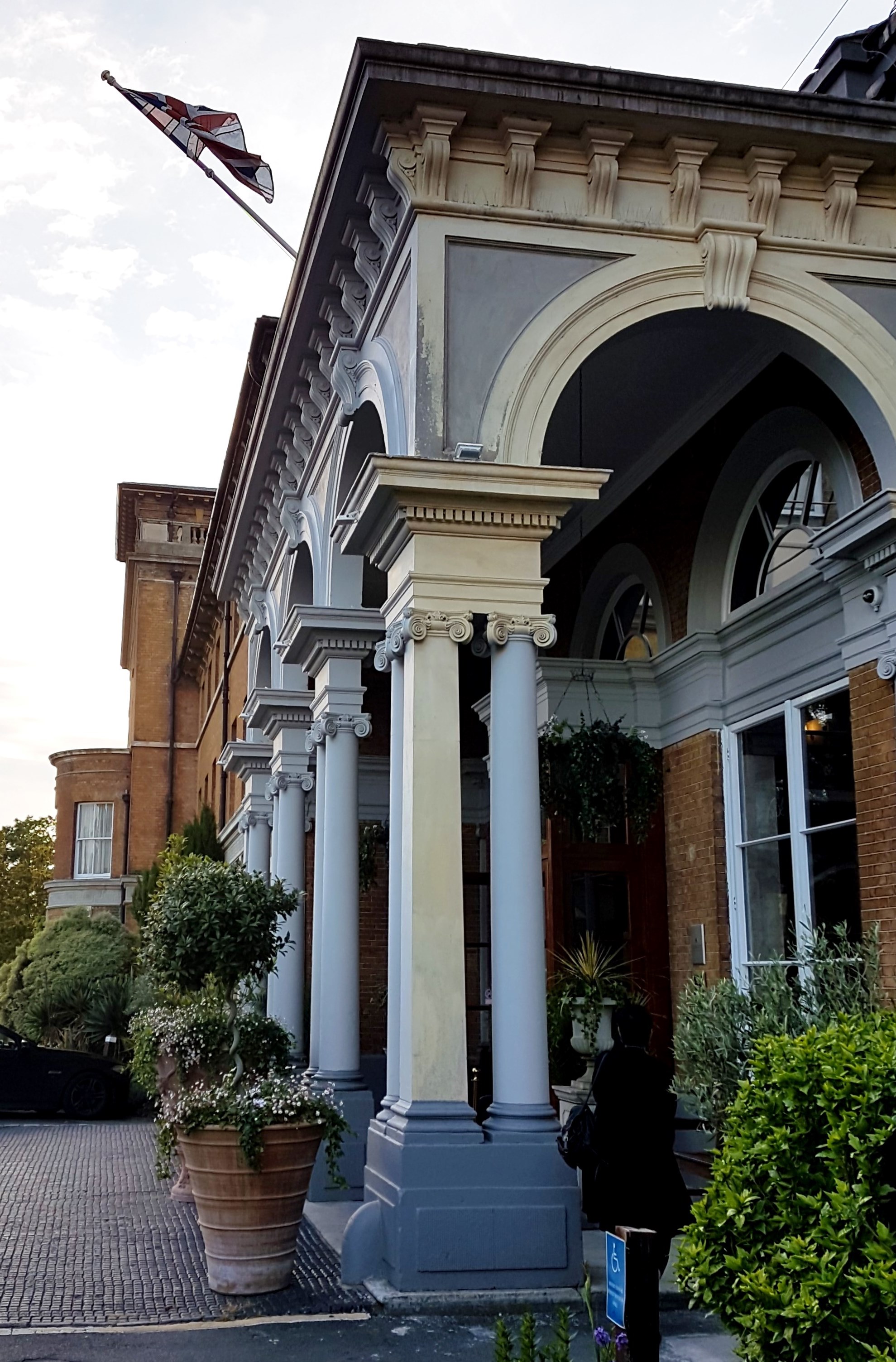
What my brother did not know when he booked the hotel was that this historic institution – built in the 1850s on the site of one of Henry VIII’s palaces – was itself undergoing renovations. This made for a rather lovely but somewhat unusual interlude – though one that undoubtedly enhanced this part of our extended trek.

I knew the hotel from my childhood. The grounds behind the building sweep down to a long lake called the Broadwater. When I were a nipper the hotel used to host there a firework display for Guy Fawkes night – November 5th. After the show we would repair to the somewhat tatty atrium at the front of the building to partake of (presumably non-alcoholic) beverages.

The hotel was extensively and beautifully restored during the 1980s (under new ownership) and the atrium became a go-to destination (papers clutched firmly in hand) for Sunday brunch. They did a jolly spiffing club sandwich as I recall. On one such Sunday at the start of November in 1991 we convened there for brunch the day after Australia had beaten England in the Rugby World Cup final at Twickenham. It rapidly became apparent that the hotel had been chosen as the Aussies London base for the final – and even more apparent (as they gathered gingerly in the lobby) that they had celebrated the event heartily and abundantly well into the night.

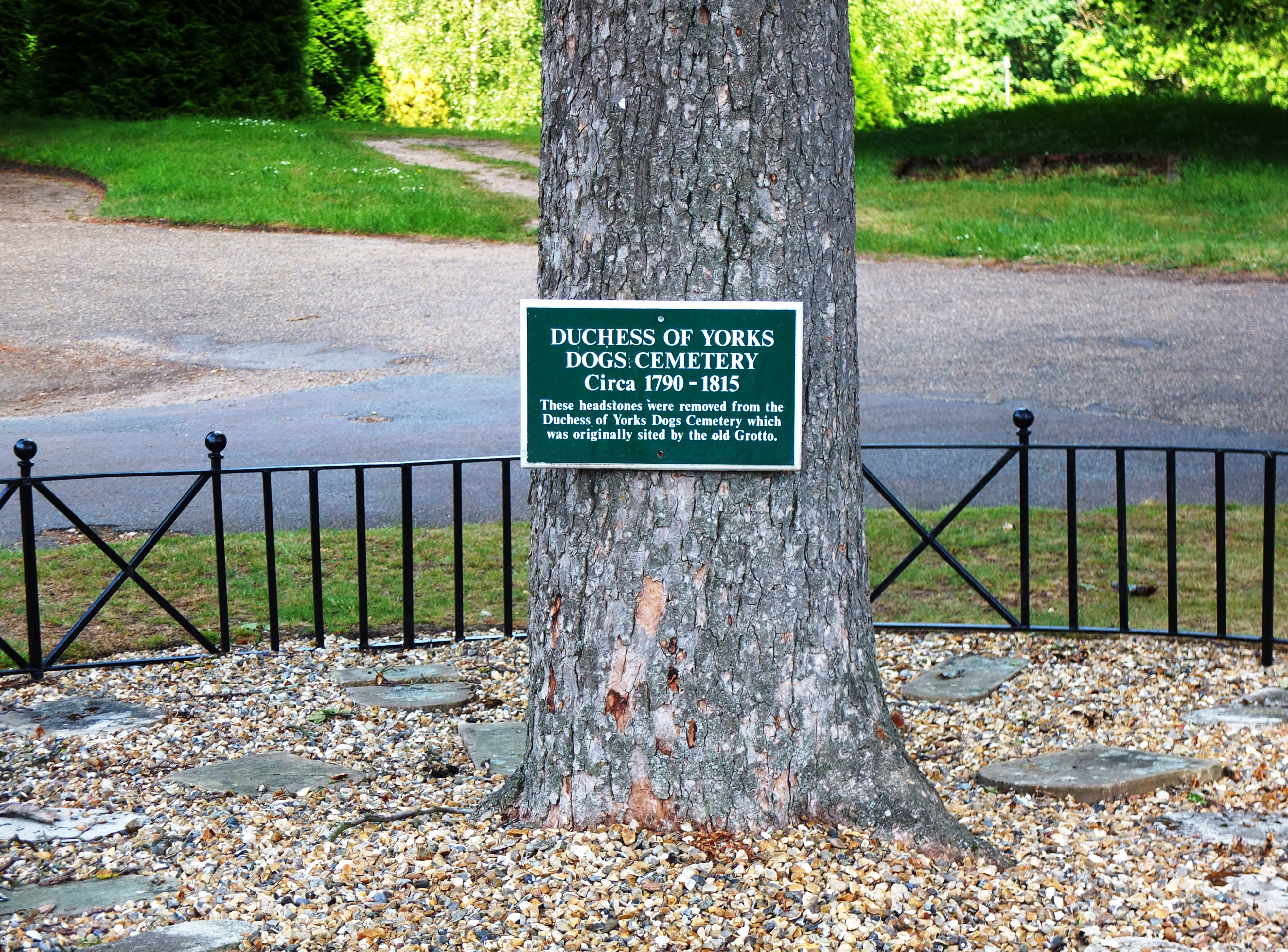
Well – the old place is due another renovation now and is in the process of receiving one. Parts of the building have already been finished (we naturally had a room in this part) but much of the rest of it is still in the hands of trades-persons of all manner of varieties. As a result it is still pretty lightly booked and thus rather spookily empty. A wander around the grounds – also in need of a fair bit of TLC – gave me the slightly odd feeling of having wandered into some post-war Stephen Poliakoff drama. I kept expecting to be approached by a mysterious contact and inducted into some strange mission.

Maybe I just expect all of my life to be like that!

Tags: , , ,

« Older entries § Newer entries »