web analytics

Knowing where to stand

A good photograph is knowing where to stand
Ansell Adams

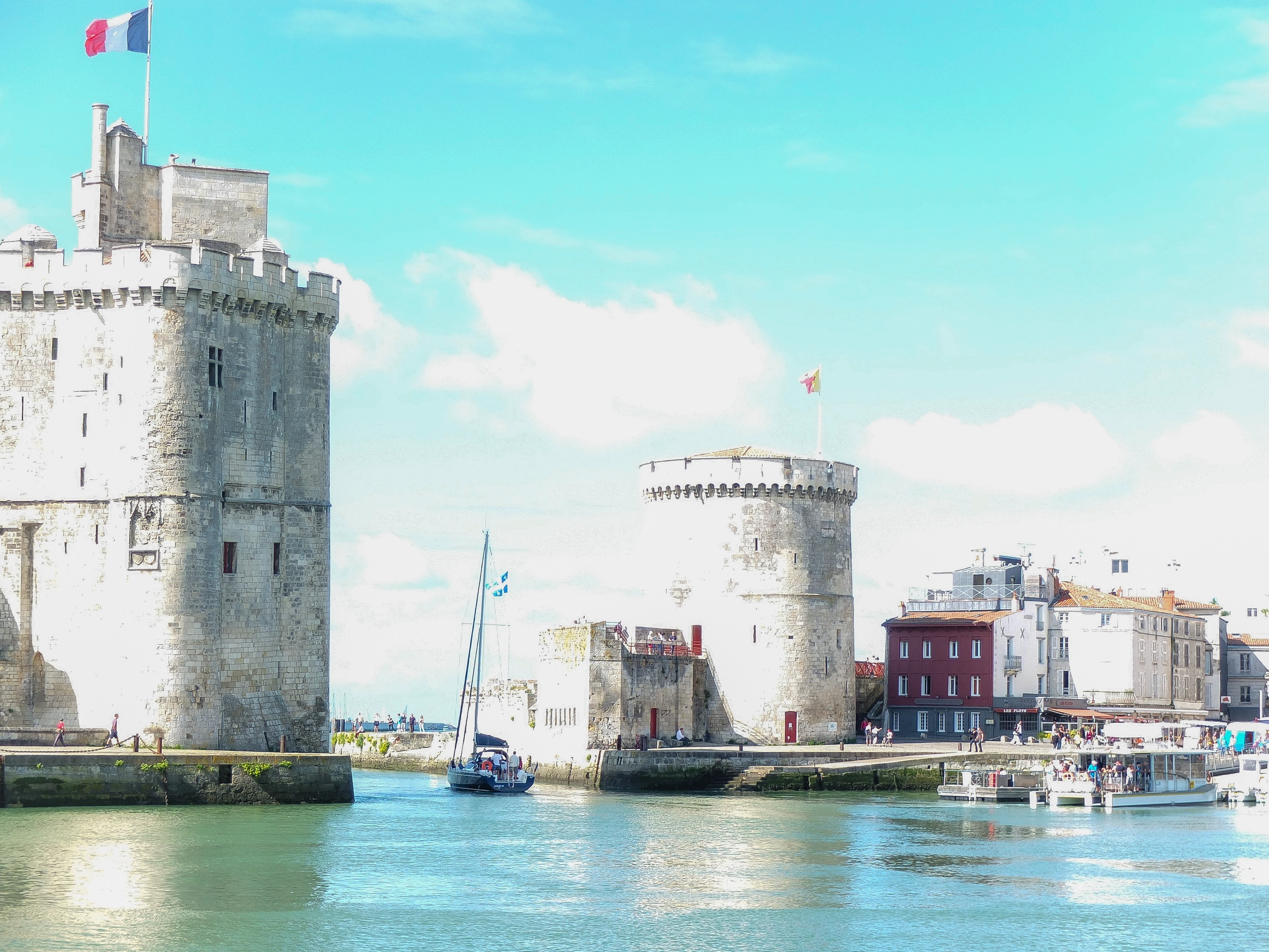
I do not claim for a moment to know where to stand… but I cannot in any case resist posting some more random images from France.

This is La Rochelle – which we had not previously visited.

Photo by Andy Dawson Reid

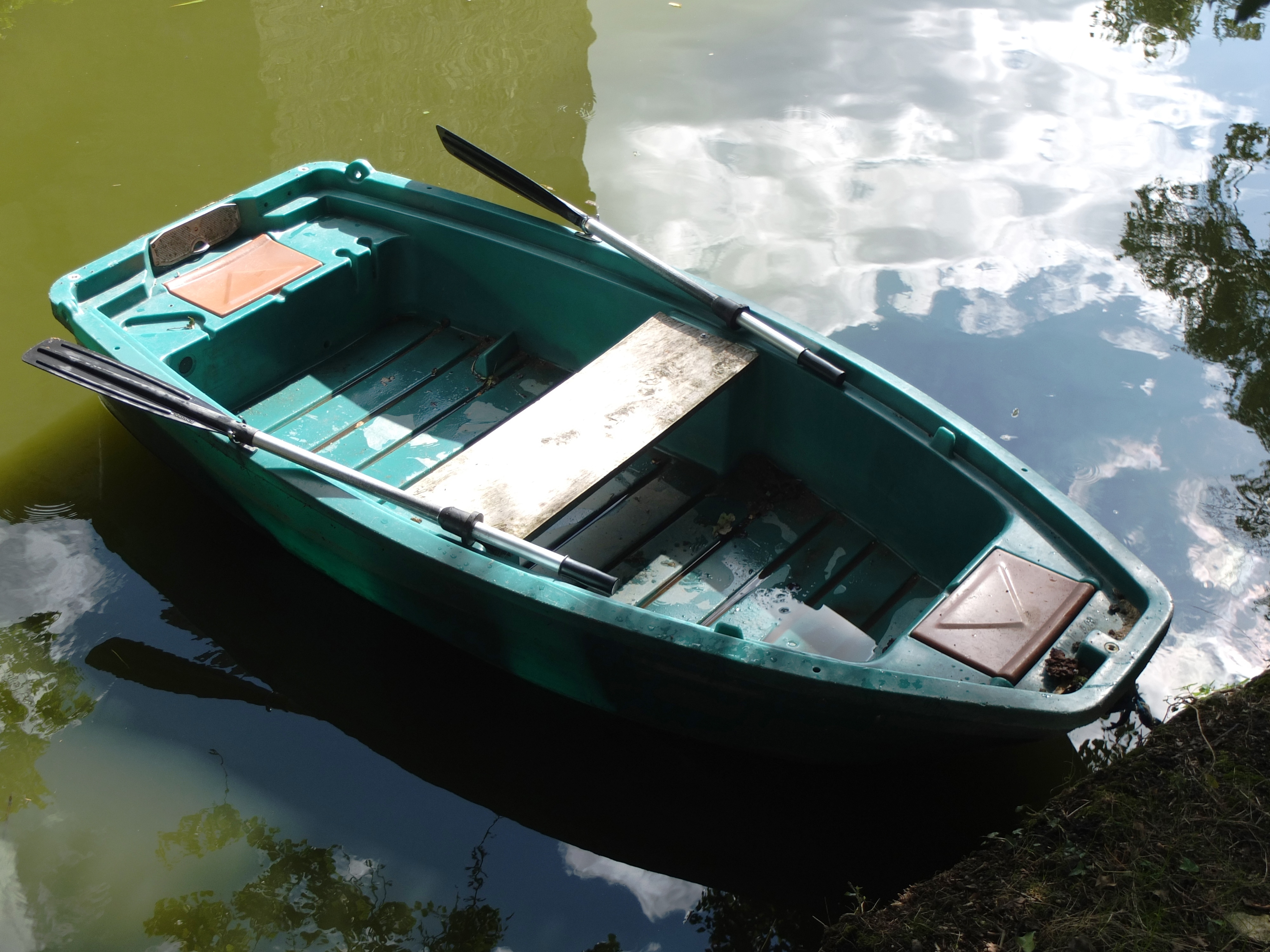
These are random passing sights that took my fancy:

Photo by Andy Dawson ReidPhoto by Andy Dawson ReidPhoto by Andy Dawson ReidPhoto by Andy Dawson ReidPhoto by Andy Dawson Reid

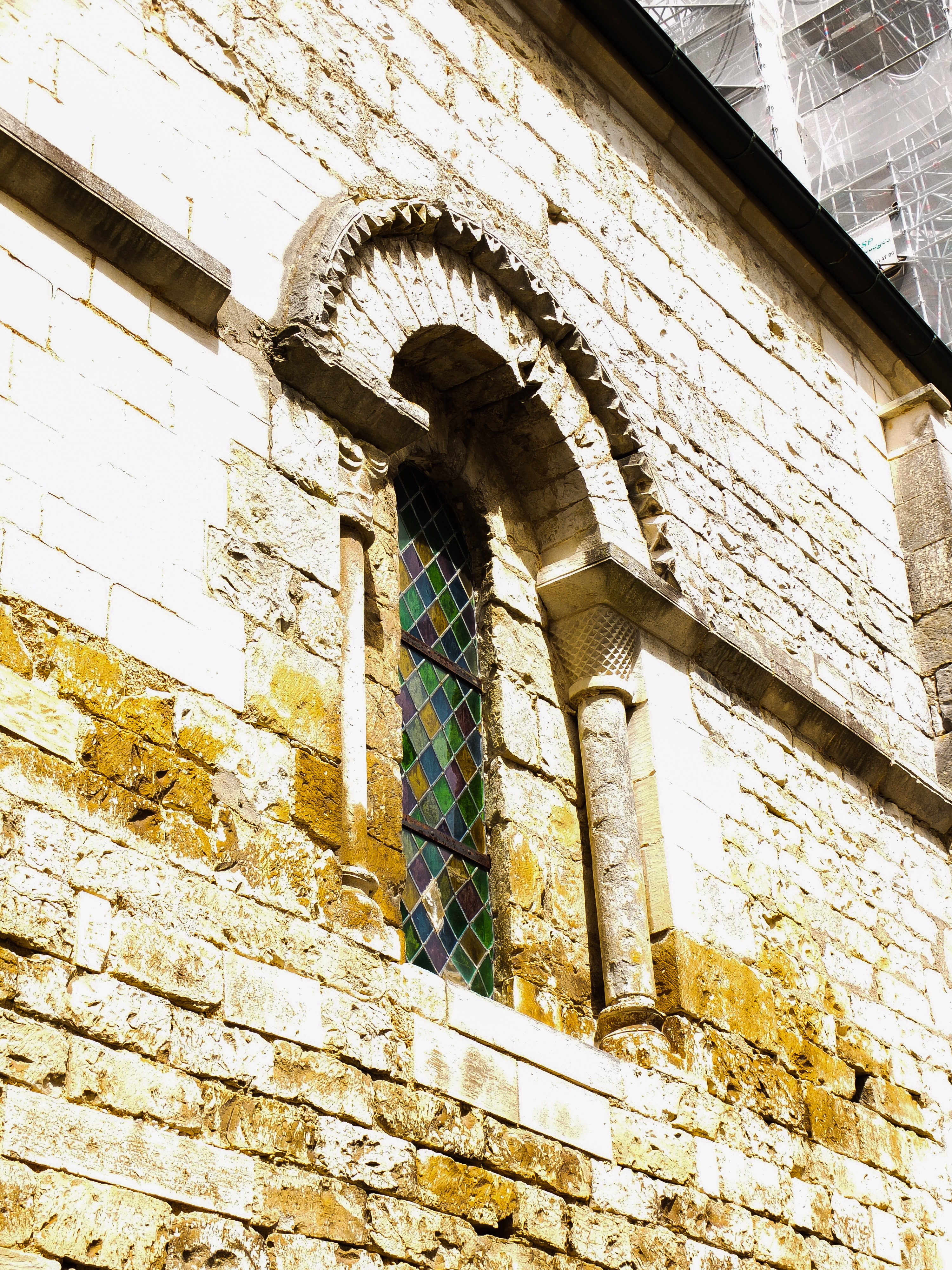
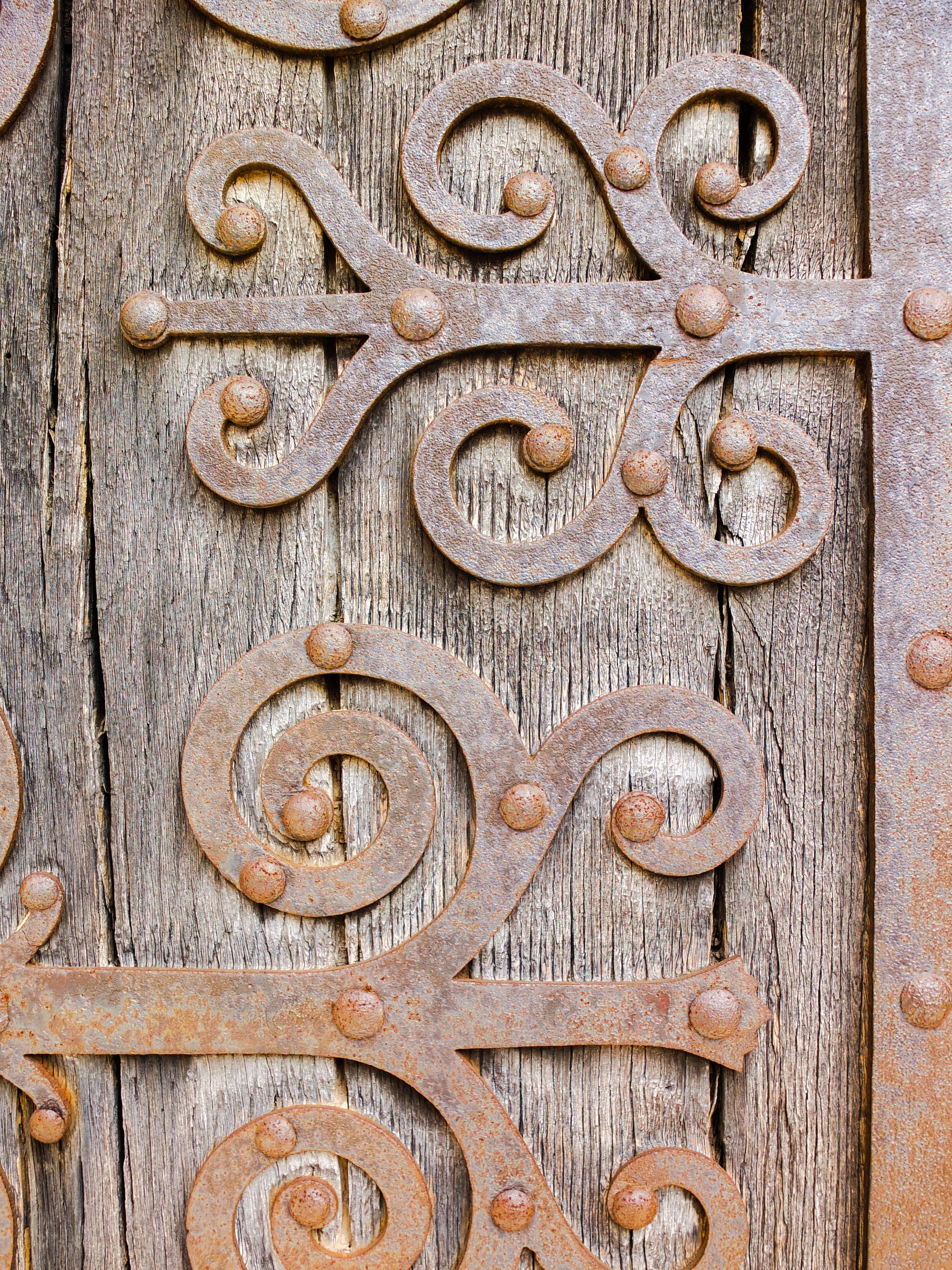
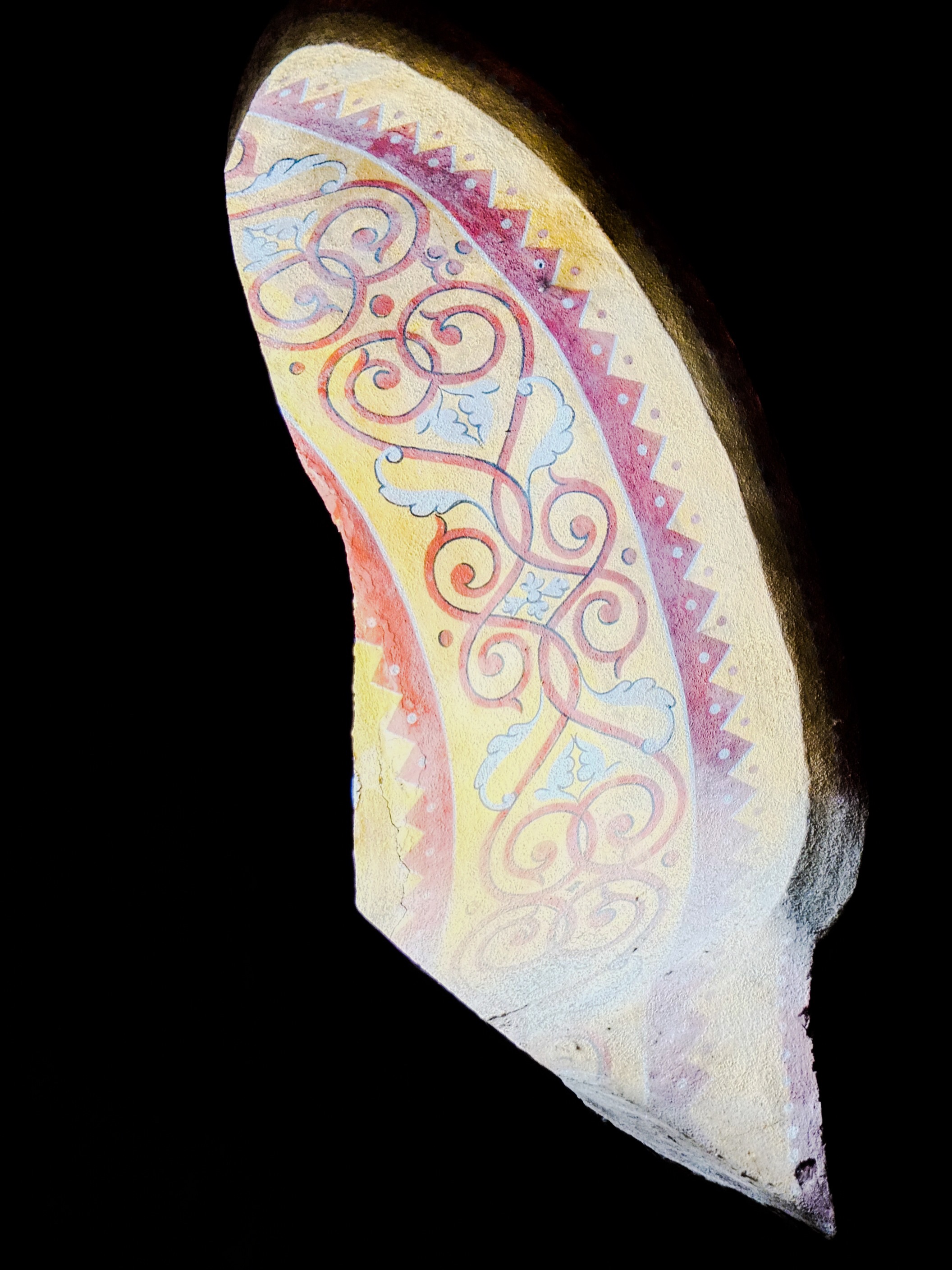
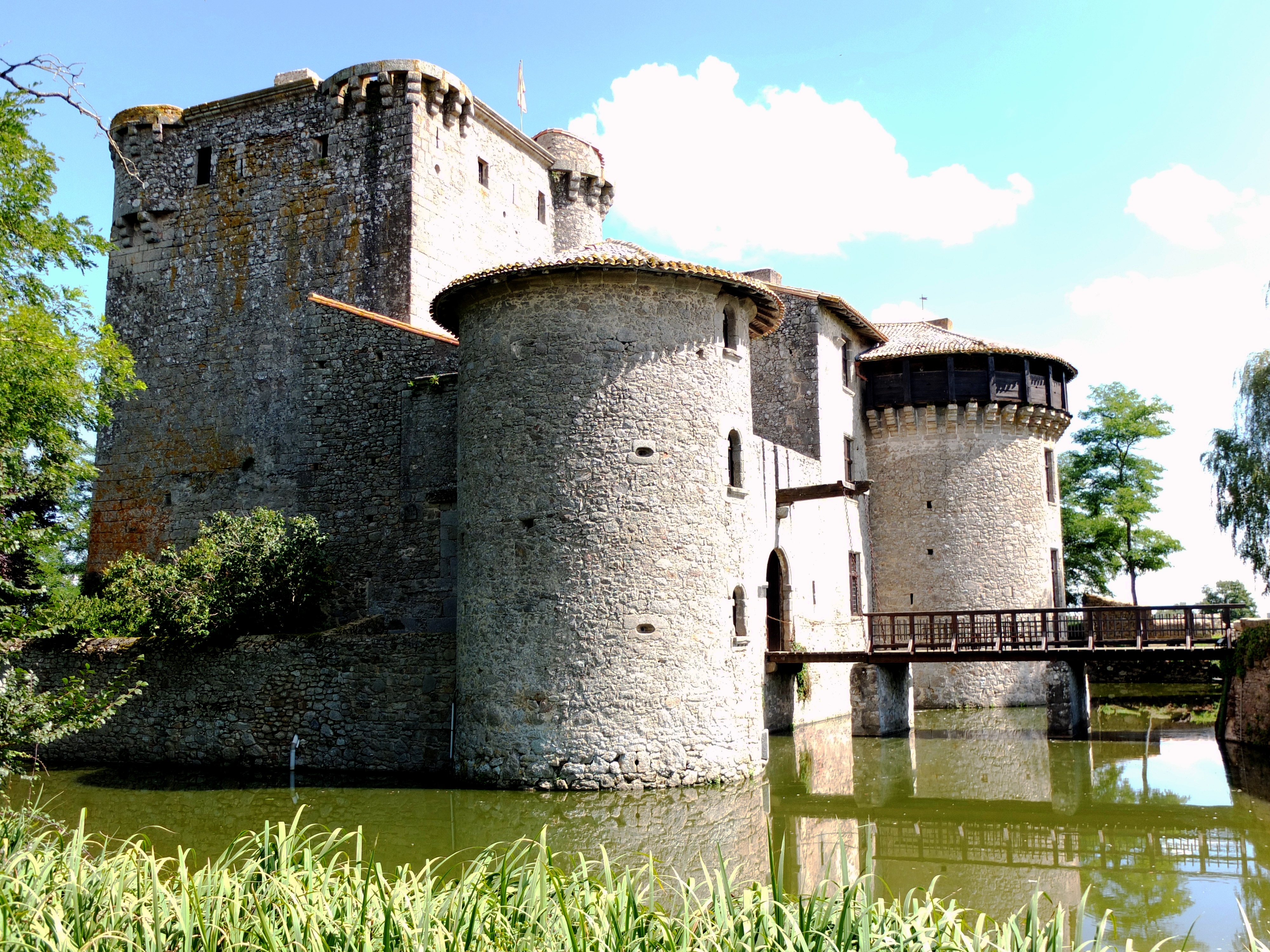
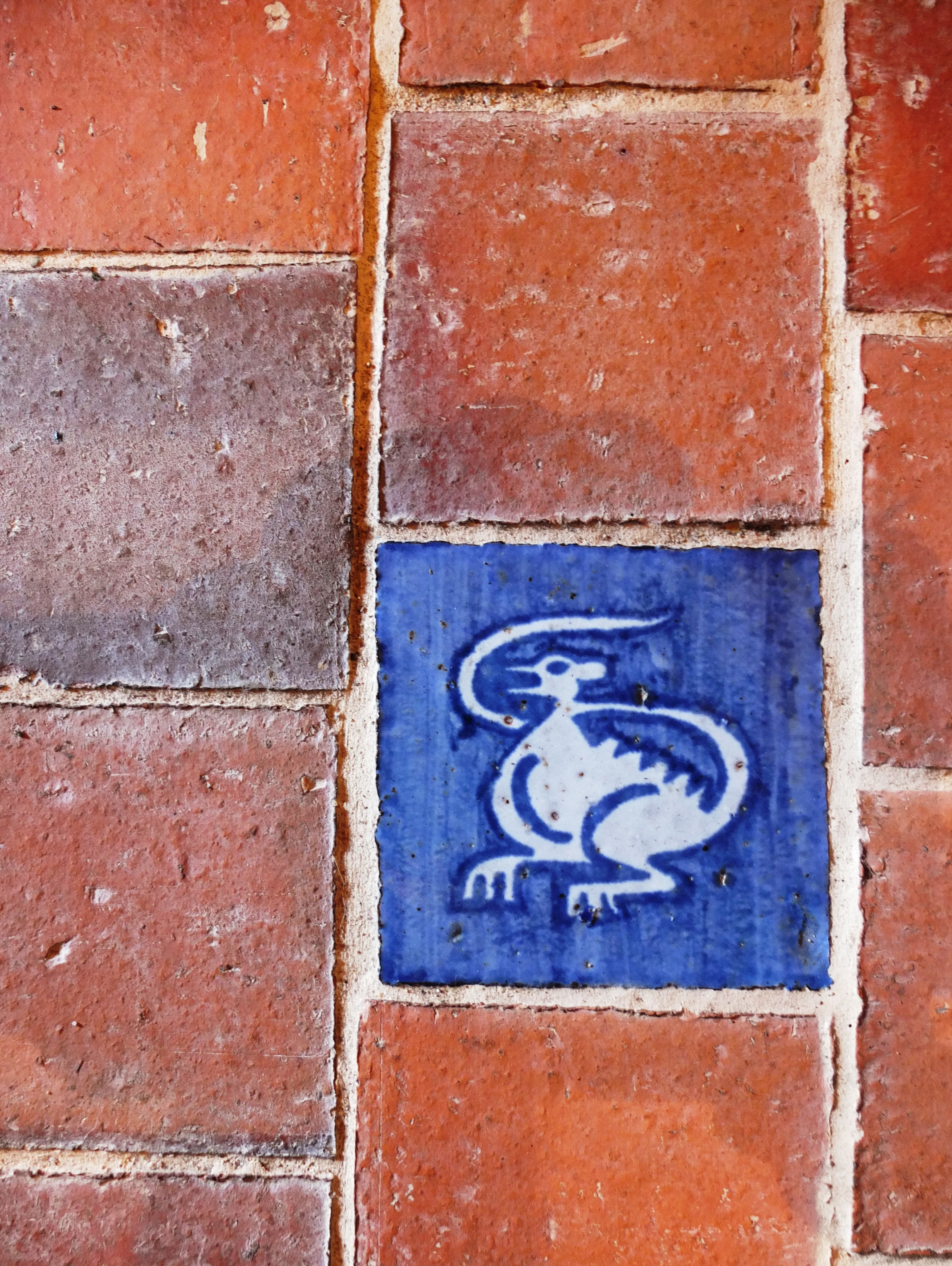
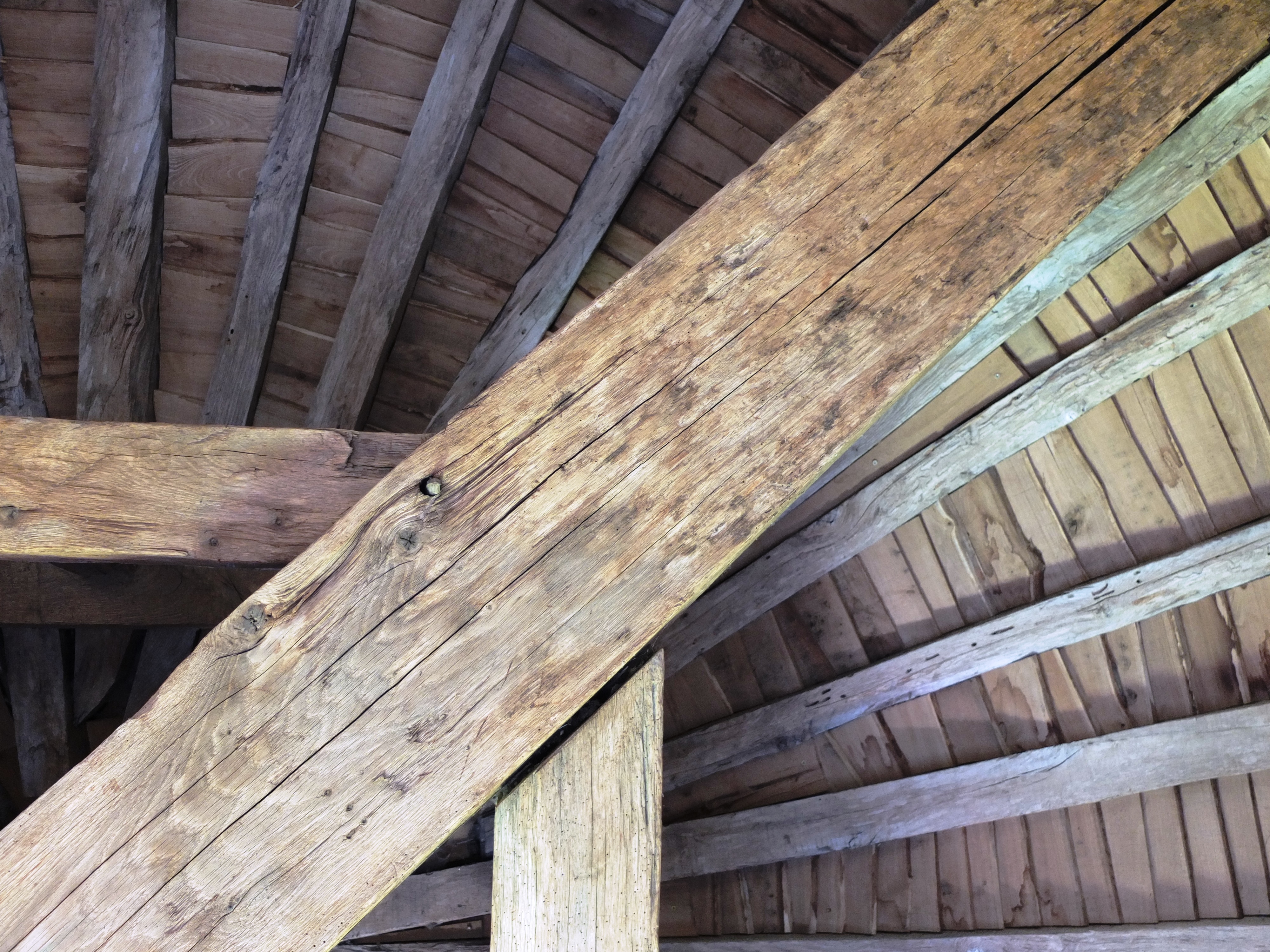
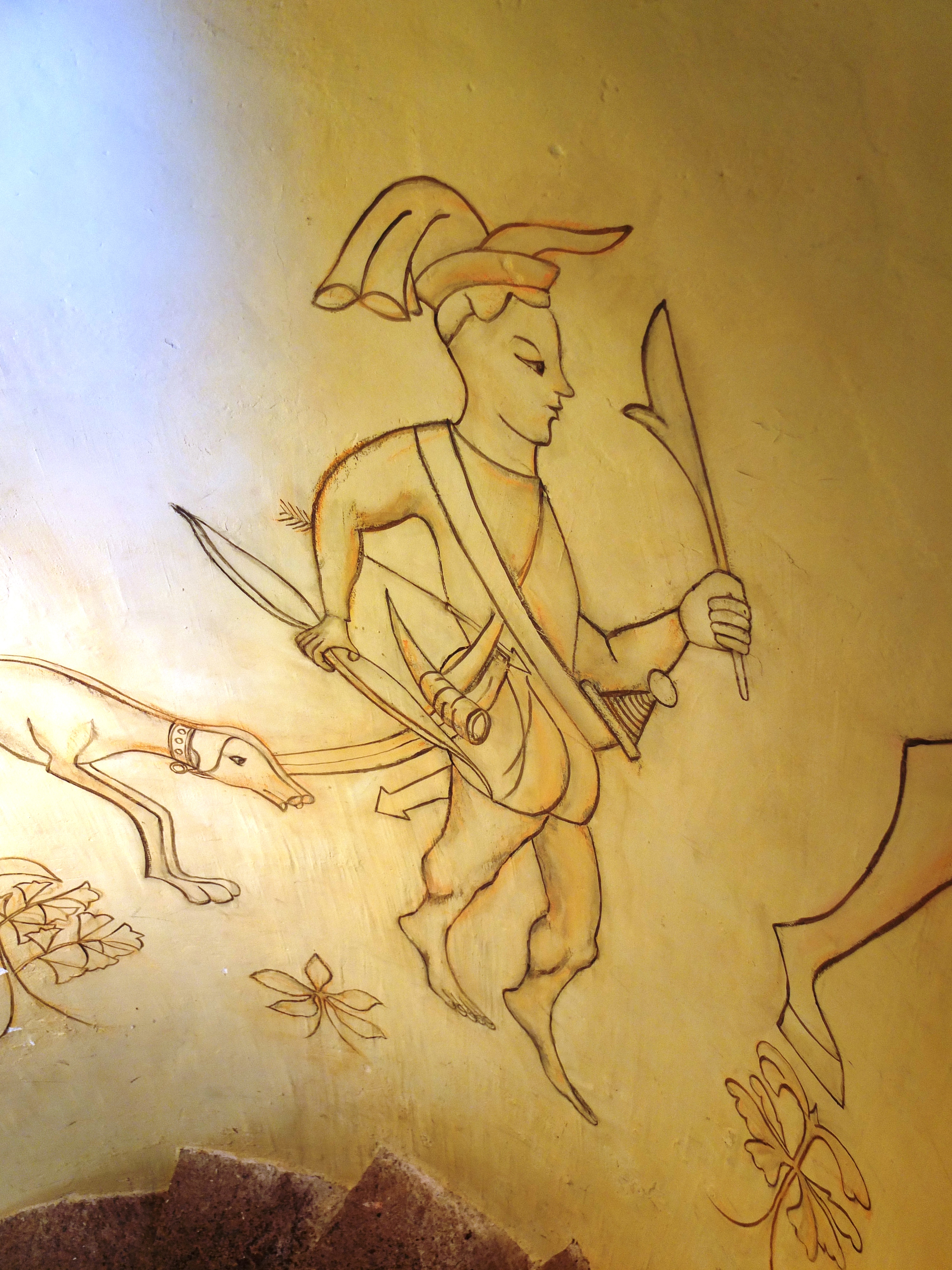
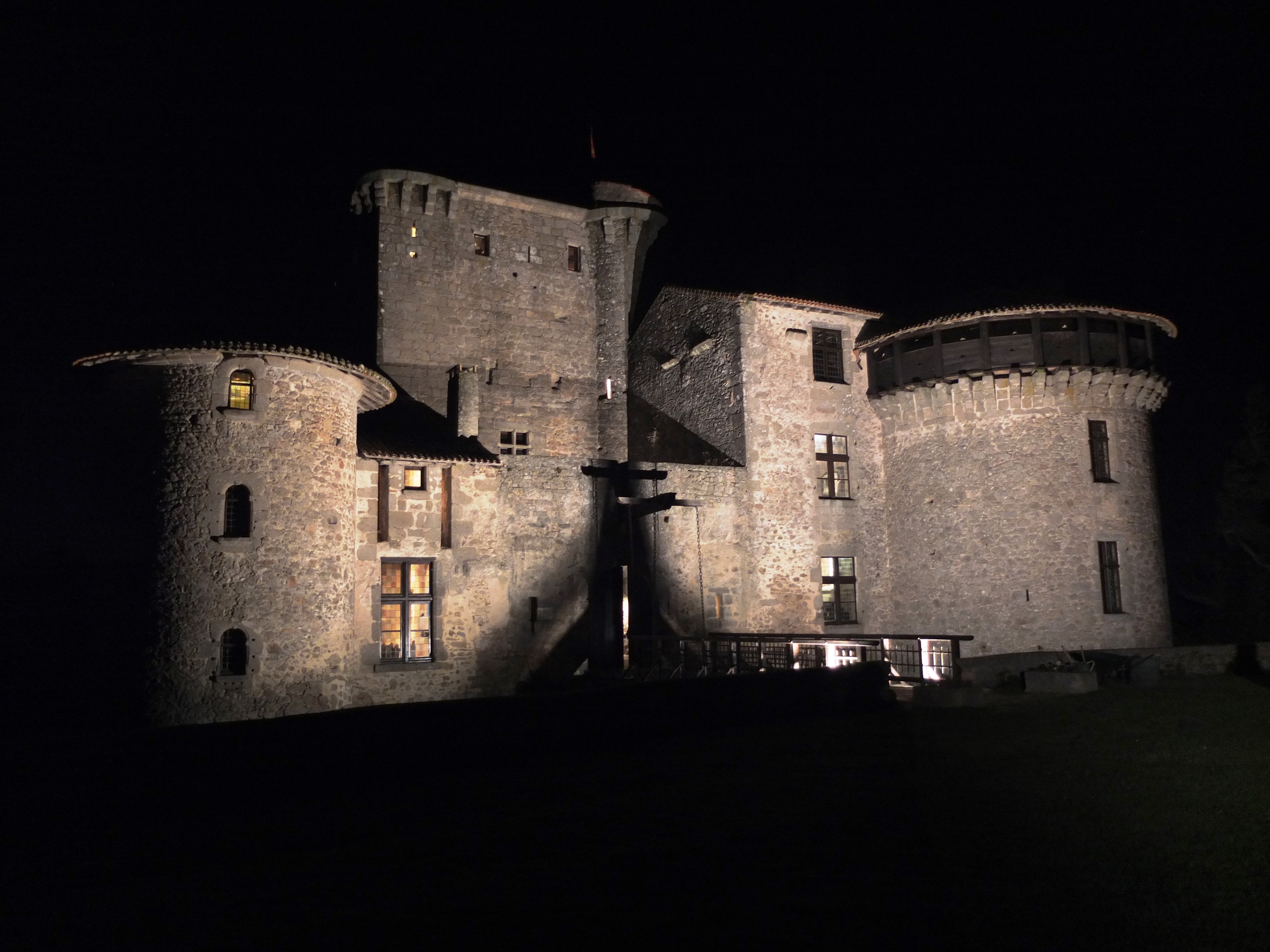
And this is from the Chateau de Tennessus:

image


I must also at this point express hearty congratulations to the English ladies who triumphed against the Canadians in the Women’s Rugby World Cup on Sunday evening last in Paris. The Canadians were not by any means disgraced, having put up a really strong performance. They will certainly feature strongly in future competitions. The Kickass Canada Girl is just about speaking to me again!

Chateau de Tennessus

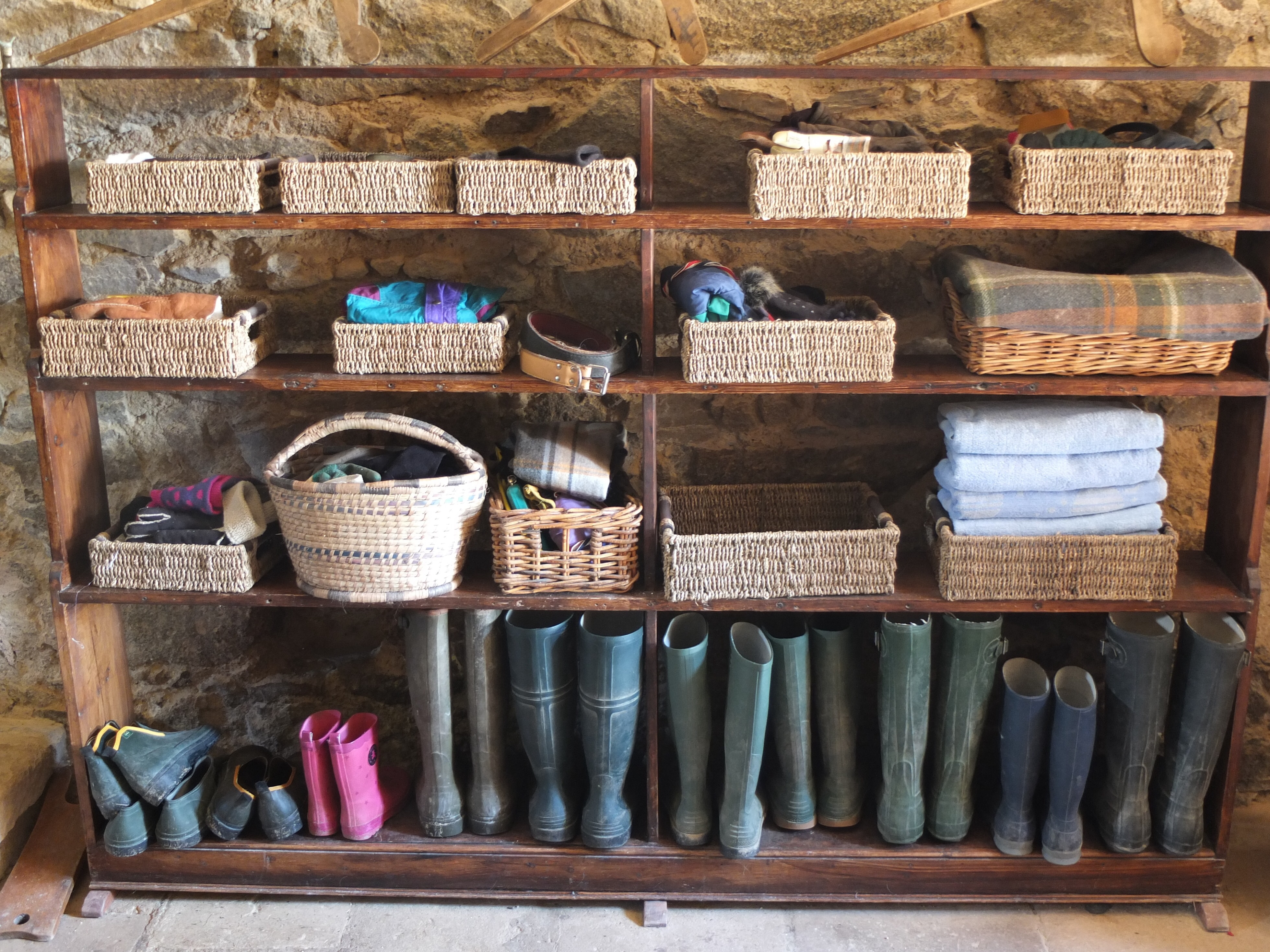
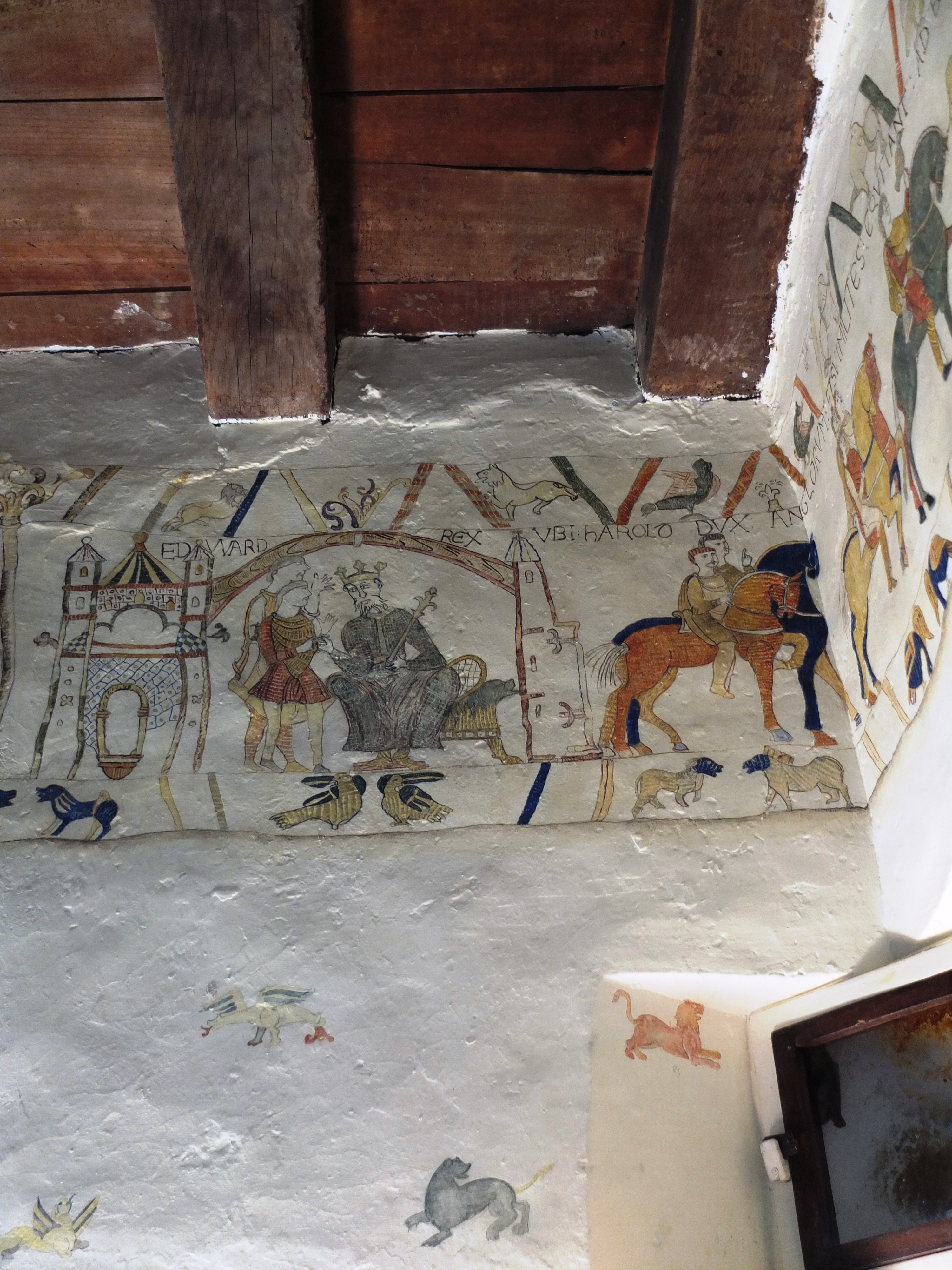
On our way to the charming region of the Poitou Charente that is to be our home for the next week we spent a couple of nights in what might best be described as a fairytale medieval castle – the Chateau de Tennessus. This twenty five year labour of love on the part of its English owners is a testament to what can be achieved if one is prepared to invest a simply extraordinary amount of work, art and money into what is quite clearly an overarching passion.

Photo by Andy Dawson ReidPhoto by Andy Dawson ReidPhoto by Andy Dawson ReidPhoto by Andy Dawson ReidPhoto by Andy Dawson ReidPhoto by Andy Dawson ReidPhoto by Andy Dawson Reid

What are the odds…?

england canadaAvid followers of these obscure obita dicta may well recognise the image at the top of this post. I used it for the occasion last year on which the Kickass Canada Girl and I ventured to the Twickenham Stoop to see the English ladies take on their Canadian counterparts at the ‘gentlemanly’ pastime of ‘rugger’. In that instance – to the Girl’s chagrin – the home team proved too strong for the visitors.

I re-use the image now because the two sides meet again this coming Sunday – but this time in Paris for the final of the Women’s Rugby World Cup! How exciting!

The English ladies have made a number of appearances in World Cup finals and have indeed once lifted the trophy. On the last few occasions, however, they have been well beaten by New Zealand – who were indeed favourites again for this tournament. Canada have not previously finished higher than seventh – so really are entering uncharted territory. The two sides have already met in the pool stages this time around – the result being a tantalising 13 all draw.

The Irish ladies did everyone a favour by knocking out the All Blacks but seemed by yesterday’s semi-final against England to have exhausted themselves in the process – the English romping home 40 – 7. The Canadians then opened up a good lead against the hosts – France – but had to endure sustained pressure in the closing 20 minutes – just holding on to go through 18 – 16.

We wish the very best of luck to both sides for Sunday.

As it happens we will be in France over the weekend – though not particularly close to Paris. This is probably a good thing since we would be very tempted to try to get to the game in spite of it already being a sell-out – the which itself is a fantastic result for the women’s game.

We are taking a brief break from the rigours of work and spending a week in the company of the good friends whose wedding we attended in Hong Kong a couple of years back. They have rented a gite in the Poitou Charente for three weeks and we will spend the first of those with them. We leave this very evening!

Expect photographs…


This island race

Photo by Andy Dawson ReidThis happy breed of men, this little world
This precious stone set in the silver sea
Which serves it in the office of a wall
Or as a moat defensive to a house
Against the envy of less happier lands

William Shakespeare – Richard II

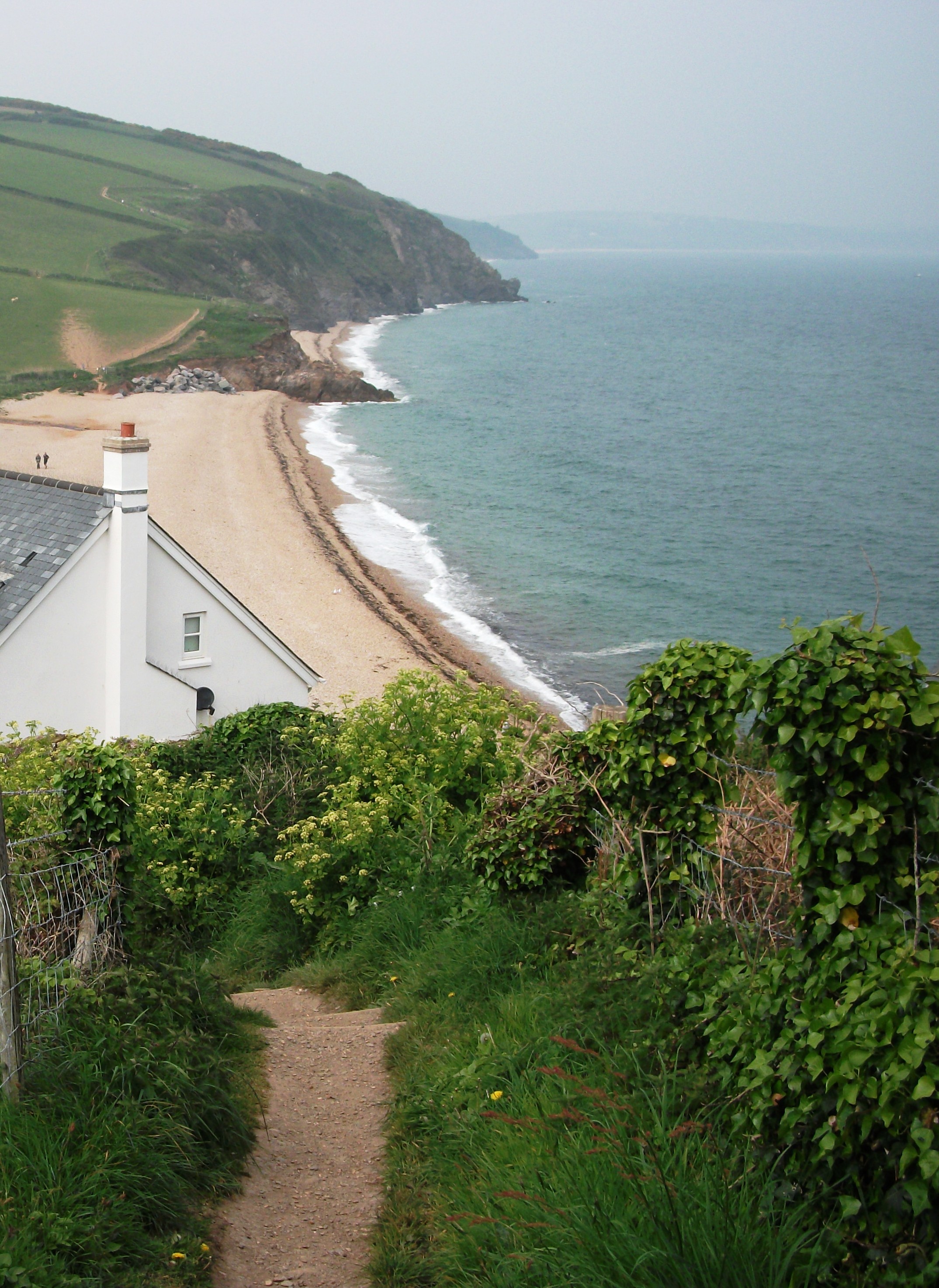
Finding myself in want of some new t-shirts (yes – I am of the breed of unreconstructed hippie that still prefers to dress in sandals, jeans and a comfortable top well into my seventh decade!) but not caring much for the choice of overpriced designer-labelled or eyeball-scorchingly be-slogan-ed apparel on offer on the high street – I turned as ever to the InterWebNet to discover what might be available out in the wild – so to speak.

I was looking for something with a nautical flavour – such being to my taste – and by good fortune it seems that the seafaring style is very much “in” at the moment – whatever that might signify.

What it did presage – of course – was the need yet again to skirt the worst excesses of the ‘designer’ end of the rag trade – but this time online. Fortunately – however – I soon found myself delighting in the pelagic pages of one of my favourite small-scale outfitters – Quba & Co – who are based out of Salcombe in Devon. If you haven’t come across them before I do encourage you to take a moment to examine their wares – commencing mayhap with the ‘Company History‘ page on their website, which explicates their ethos rather well and should give you a good insight as to why they appeal to me.

This post does not – however – concern male fashion, though the seed for it did emanate from the pleasures that I clearly obtain from all things related to the sea. Although I have spent a certain amount of my time over the years ‘messing about in boats’ (nowhere near enough time of course!) I have never actually owned one. This will – I firmly intend – be rectified when we move to BC. To my very great pleasure the Kickass Canada Girl has indicated that she will willingly join me on a Power Squadron course once we arrive in Victoria preparatory to us taking to the waves together.

Now – I am aware that a great many of those who live on Vancouver Island are themselves boat-owners and also that these craft are predominantly used for the purposes of fishing. I never have been an angler and nor do I have much interest therein – although I did gain some valuable insight into the pursuit courtesy of the Girl’s cousin who introduced me to the practice of throwing out a couple of lines and then sitting back with a beer… not that I am suggesting for a moment that this is customary amongst British Columbian fisher-folk.

There are, of course, many reasons why – over the centuries – the Brits have been drawn to the west coast of Canada, and in particular to the islands. Much of this surely stems from the fact that both races – as island folk – share a common love for the sea and alike feel the draw of the ocean. I have doubtless quoted John Masefield before in these posts but make no apology for repeating these lines from ‘Sea Fever’:

I must go down to the seas again, to the lonely sea and the sky,
And all I ask is a tall ship and a star to steer her by;
And the wheel’s kick and the wind’s song and the white sail’s shaking,
And a grey mist on the sea’s face, and a grey dawn breaking,
 
I must go down to the seas again, for the call of the running tide
Is a wild call and a clear call that may not be denied;
And all I ask is a windy day with the white clouds flying,
And the flung spray and the blown spume, and the sea-gulls crying.
 
I must go down to the seas again, to the vagrant gypsy life,
To the gull’s way and the whale’s way where the wind’s like a whetted knife;
And all I ask is a merry yarn from a laughing fellow-rover,
And quiet sleep and a sweet dream when the long trick’s over.


Incidentally – the oft-quoted phrase that I appropriated for the title of this post is not without interest itself, in that its exact origins are not at all clear. My thoughts ran first to Shakespeare – and in particular to the celebrated John of Gaunt speech from Richard II that is quoted at the top of this missive. When that presumption proved erroneous I resorted once more to the InterWebNet.

Other than a (doubtless worthy and fascinating) tome documenting 135 years of the history of British bicycle racing the most numerous references I could find were to Winston Churchill. The extract from his ‘History of the English Speaking Peoples’ is actually titled ‘The Island Race’, and though Churchill is widely attibuted as having ‘frequently’ used the phrase in the form prepended by the pronoun rather than the definite article I could find no categorical reference thereto. It seems that the usage has simply evolved because it is actually too good not to have done so.

Bully for that, I say…


…teased!

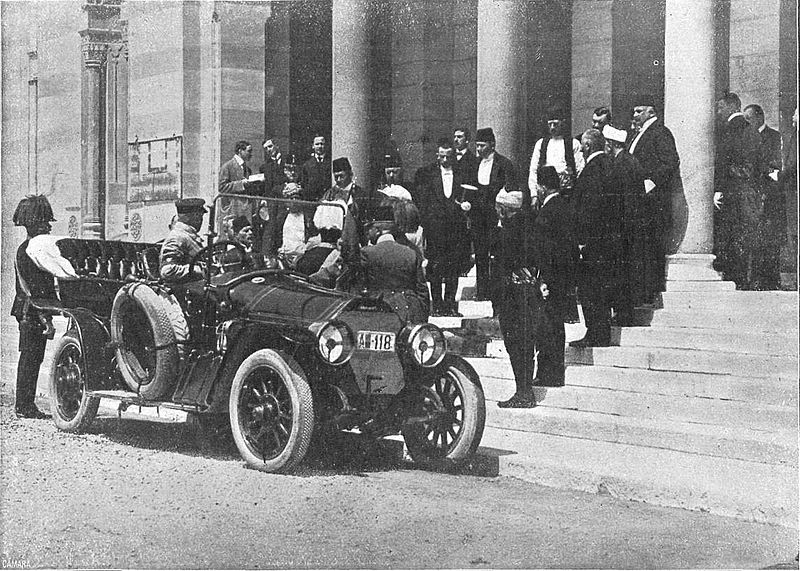
Photo from Wikimedia CommonsIn my previous post I posited the question:

Which advance in automotive engineering – had it come into widespread use sooner than it actually did – might well have completely changed the course of twentieth century history?

The answer – as I’m sure many of you knew – is… reverse gear!

Though the first production car to be fitted with a reverse gear – Ford’s ubiquitous Model T – made its appearance in 1908, it was some years before the application of this innovation became established practice throughout the world.

On 24th June 1914 the Austrian Archduke, Franz Ferdinand, and his wife Sophia paid their ill-advised visit to Sarajevo in the province of Bosnia-Herzegovina, unaware that a group of seven young assassins – their bombs and pistols provided indirectly by neighbouring Serbia’s military intelligence service – lay in wait for them along the route that their motorcade was to follow.

Though several of the would-be assassins lost their nerve at the vital moment, one – Nedjelko Cabrinovic – did throw his bomb as the Archduke’s car passed. The missile bounced off the canopy of the car and exploded under the following vehicle, injuring several of those on board. The remainder of the motorcade continued to City Hall where the furious Archduke rounded on the Mayor of Sarajevo. It was decided that the visit should be cut short.

Franz Ferdinand – however – insisted on first visiting the hospital to which those injured in the explosion had been taken. The motorcade accordingly retraced its passage back along the Appel Quay – the route that the motorcade had already come but also part of the originally scheduled onward journey. Unfortunately the change of plan had not been communicated to the drivers and on reaching Franz Joseph Street, where one of the conspirators – Gavrilo Princip – was still stationed, the cars slowed and made the turn. On being alerted to this mistake the driver of the Archduke’s car braked the vehicle with a view to rejoining the chosen route. The car came to rest a short distance from Princip’s position.

Unfortunately, the car had no reverse gear – and thus had to be pushed backwards onto the Appel Quay. Princip had time to reach the vehicle and to fire the two shots that killed the Archduke and his wife.

Had Princip not been able to fire – or had his shots missed or only wounded the Archduke – Austria-Hungary would not have had a casus belli on which to go to war with Serbia. Had a fresh Balkan war not broken out the Russians would not have mobilised in support of the Serbs. Had the Russians not mobilised, the Germans – who had offered Austria unconditional support – would probably not have launched an attack on Russia’s close ally – France – aiming to remove them from contention before turning attention to the Russians themselves. Had Germany not violated Belgian neutrality to attack France the British would most probably not have become involved in what rapidly turned into the Great War.

Had there been no Great War it is highly likely that the subsequent rise of fascism would have taken a very different course and there may well not have been a second conflagration. Had there been no World War II the course of European history would have been very different. There might have been no impetus to develop nuclear weapons and the standoff between East and West that overshadowed much of the latter part of the century might never have occurred.

Who can tell? What is clear is that none of the European nations that allowed themselves to slide into the war in 1914 had set out with this objective in mind.

If you have not previously done so but now feel impelled – in this centenary year of the start of that lamentable conflict – to gain a clearer understanding as to how this unfortunate sequence of events unfolded, I strongly recommend Christopher Clark’s excellent ‘The Sleepwalkers’. Comprehensive, well argued and splendidly written, this volume cuts through much of the fog that surrounds the causes of this most terrible calamity.

Teaser…

Image by Damián Navas on Flickr

A little teaser for you…

Which advance in automotive engineering – had it come into widespread use sooner than it actually did – might well have completely changed the course of twentieth century history?

Answer to follow… Let’s see if someone gets there before I post it!

Cocina Catalana

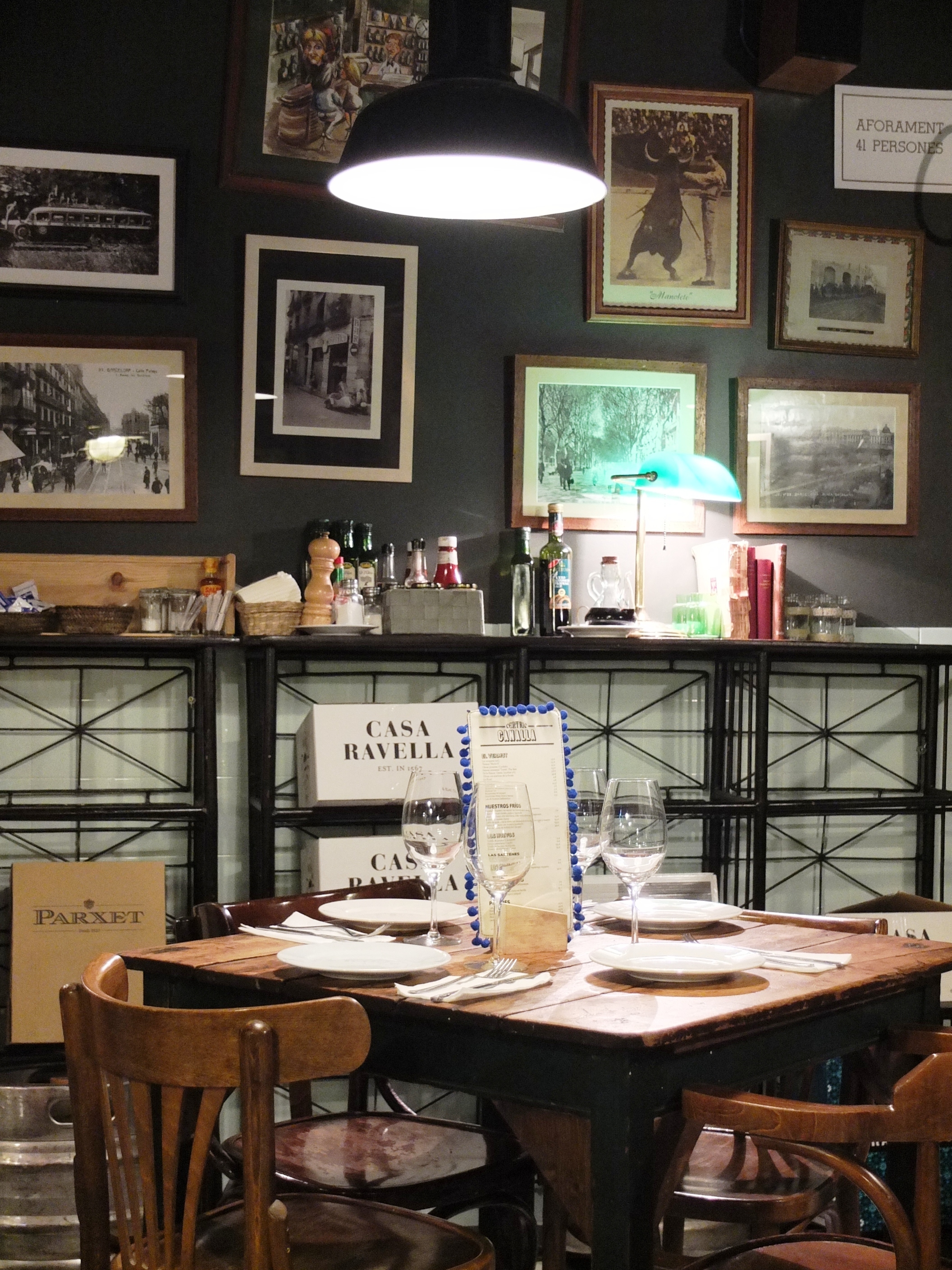
Photo by Andy Dawson ReidTo mark our transit from Sitges to Barcelona on Wednesday last the Kickass Canada Girl organised something of a culinary coup – in the form of a gastronomic walking tour of the older parts of the city. This was arranged through the good offices of a concern called Spanish Trails – which the Girl had discovered through her latest ‘fave’ InterWebNet service – Chowhound.

The Spanish Trails wine and food tours include one by the appellation ‘Tasting Barcelona’ – which is described on their website thus:

“The focus of Tasting Barcelona is always great food and wine but with the important added opportunity for our guests to explore and experience the best of Barcelona’s sites of interest as well as get a taste of the side street local flavor. Tasting Barcelona is a food and wine tour by nature, but is in turn an exciting and interactive way to experience Barcelona. We can comfortably host small group tours and private tours in a fun, personalized manner away from the crowds and with an amazing and plentiful diversity of wine and Catalan and Spanish tapas and gourmet dishes.”

We were met by our entirely splendid host – Danny (a native New Yorker, ex chef and seven year resident of Barcelona) – in the Placa de Catalunya at 6:30 of the evening and availed ourselves of his enthusiastic tutelage for the next five hours. You will be unsurprised to hear that we learned a great deal – had a lot of fun – discovered previously unexplored quarters of the city – met some fascinating people – and genuinely wondered whence five hours had vanished…

Danny was excellent – knowledgeable, enthusiastic, personable… youthful! – and he did (and had!) a great job! He also took the trouble to follow up the day after our tour by emailing the Girl and I further recommendations and suggestions – which really was above and beyond. To Danny – many thanks!

Now, I’m not going to give details of the bars and cafes that we visited – you’ll just have to sign up for one of the tours yourselves – but I am going to pass on Danny’s descriptions of what we ate and drank. Just remember – envy is a sin! (Yes, I know – so is gluttony!)

  • First port of call:

Wine: Sumarroca, from Penedes (blend of Muscat, Gewürztraminer and Xarelo)
Food: Montadito de cuarto quesos & Montadito de Solomillo

  • Second base:

Wine: Nekeas, from Navarra (100% Grenache)
Food: Patatas Bravas, Spicy Olives, Fried Artichoke chips, tortilla de patata, Croquettas de Pollo

  • Third stop:

Wine: Vermut de la casa (all the rage in Spain at the moment!)

  • Fourth:

Wine: Porron of red table wine

  • Fifth:

Wine: Petit Bernat (blend of Merlot, Cabernet Franc. and Picapoll Negre from DO Pla de Bages)
Food: Pan con Tomate, Iberico meat plate, cheese plate

  • Final call:

Wine: Llopart Cava from D.O. Cava (blend of Macebeo, Xarl.lo & Parellada)

Yum!
Photo by Andy Dawson ReidNaturally (for those that know us!) – this was not the end of our epicurean adventure – though for the remainder of our visit this veered from the sublime to the… even more sublime!

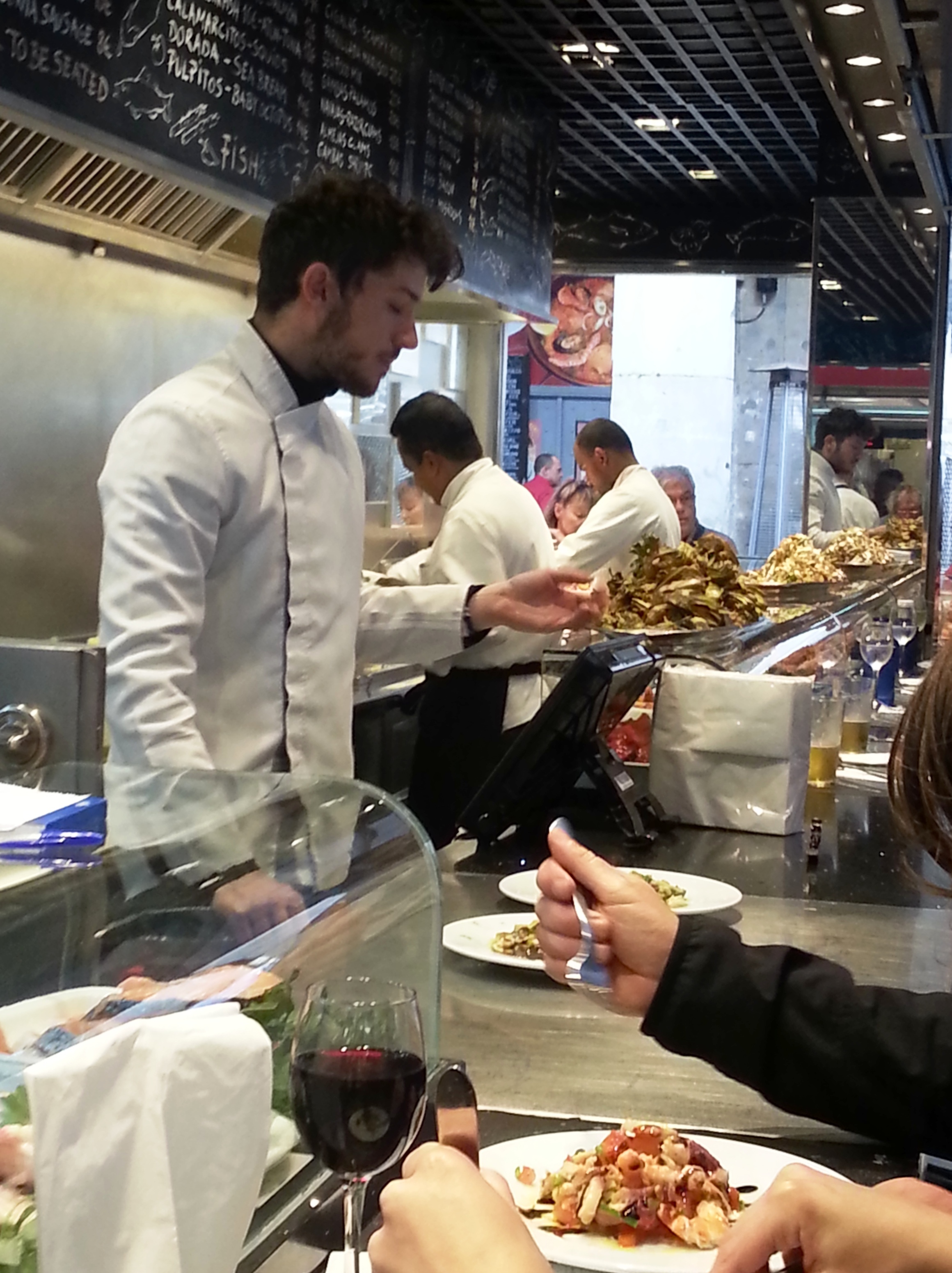
At Danny’s recommendation we broke our fast sitting at the counter of the Kiosko Universal in the Boqueria – that amazing market off Las Ramblas which reminds me just ever so slightly of the Granville Island Market in Vancouver.

A freshly conjured plate of huevos y patatas or huevos y setas – the latter from a mound of fresh wild mushrooms on the counter – and a small glass of cold beer… what better way to start the day – especially after the night before?!

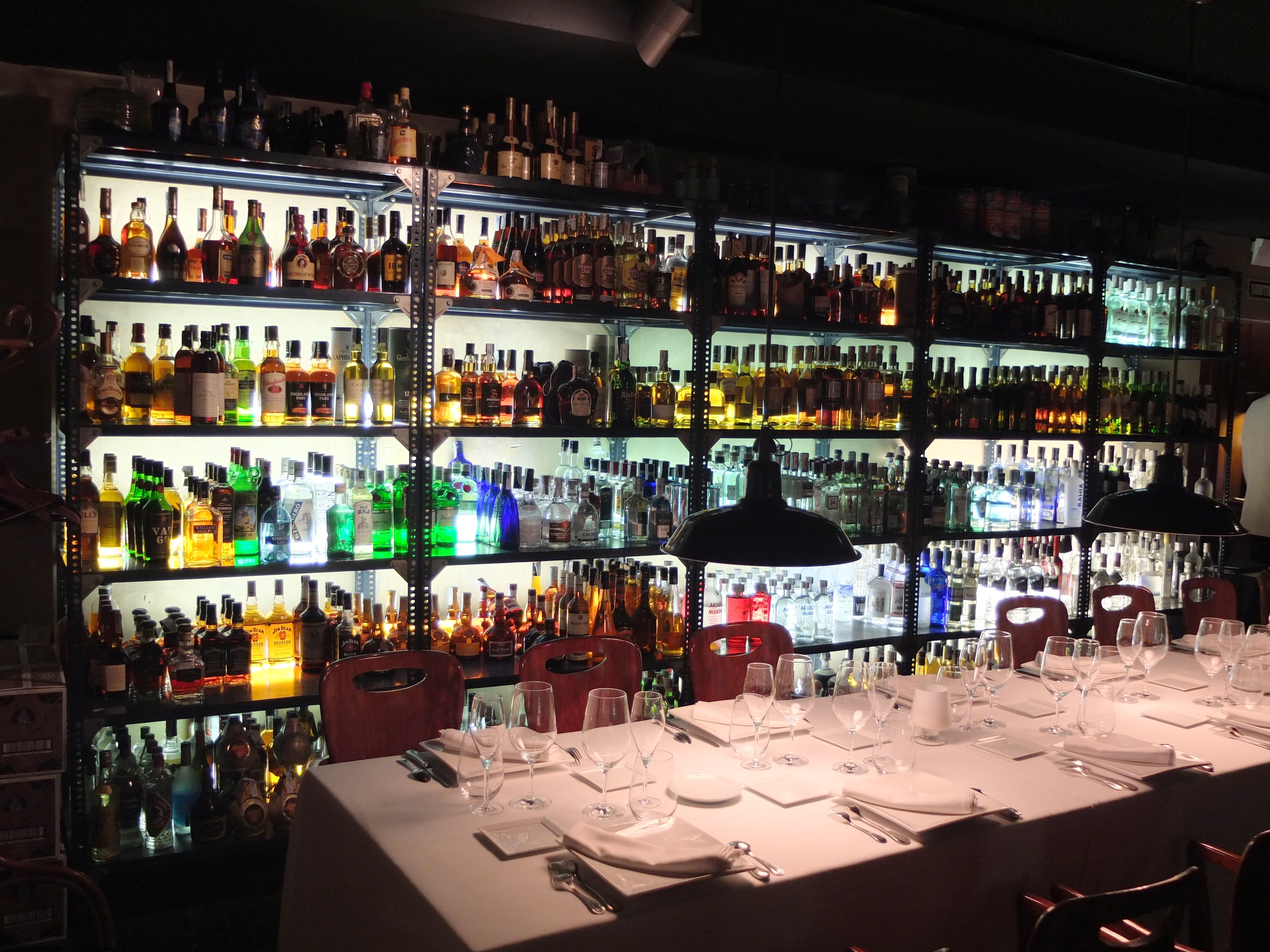
And what better way to continue it than a visit to one of the world’s top cocktail bars – Javier de las Muelas’ – “Dry Martini Bar” – in L’Eixample district. Their specialty is – you may already have guessed – the Dry Martini! I was impressed that they not only stocked my favourite artisan gin – Sipsmith – but that the MD of Sipsmith’s had himself been a guest at the bar the week before.

Less good news – from the financial perspective – was that since my last visit a decade and more ago Javier de las Muelas has opened a restaurant – Speakeasy – adjacent to the bar. It would have been discourteous not to have had lunch there, and we are nothing if not polite! Very, very good it was too…

There is – of course – always a price to pay, and we must now haste our way back to the gym!

Bah!
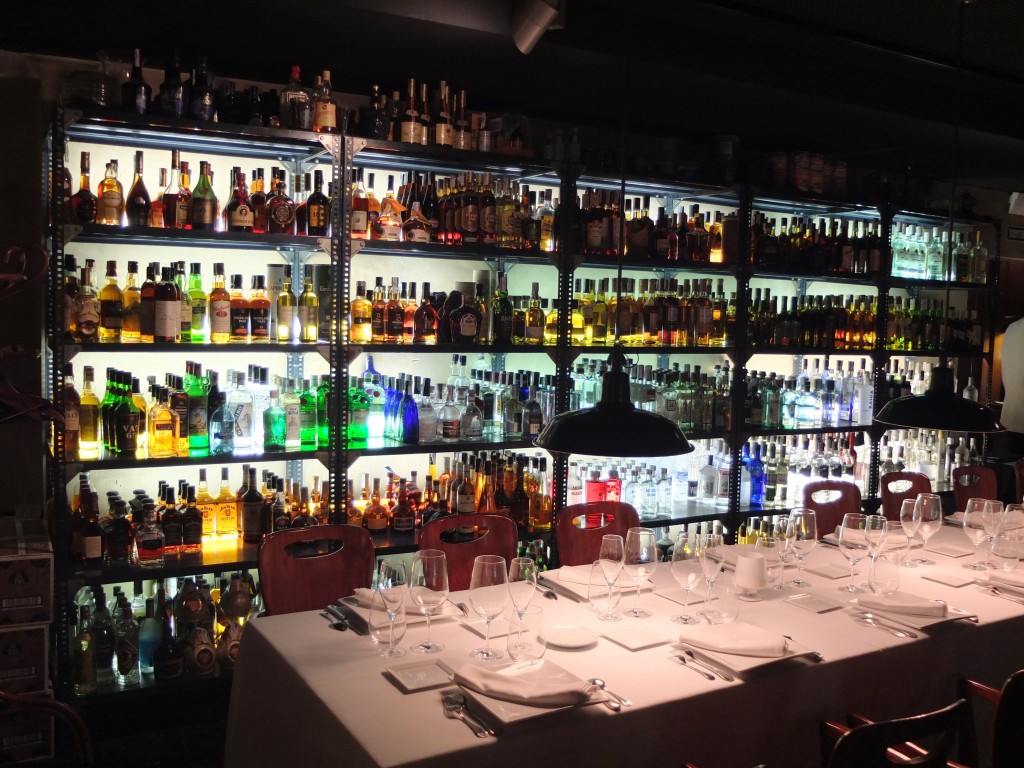
Photo by Andy Dawson Reid