web analytics

Salsa with everything

“I’m Mexican. I eat salsa with everything.”

Anjelah Johnson

I believe that I have mentioned previously within these musings that The Girl and I were going to take advantage of the College having a ‘reading week’ this February to run away to Mexico for a little R & R – not to mention some much needed sunshine and warmth.

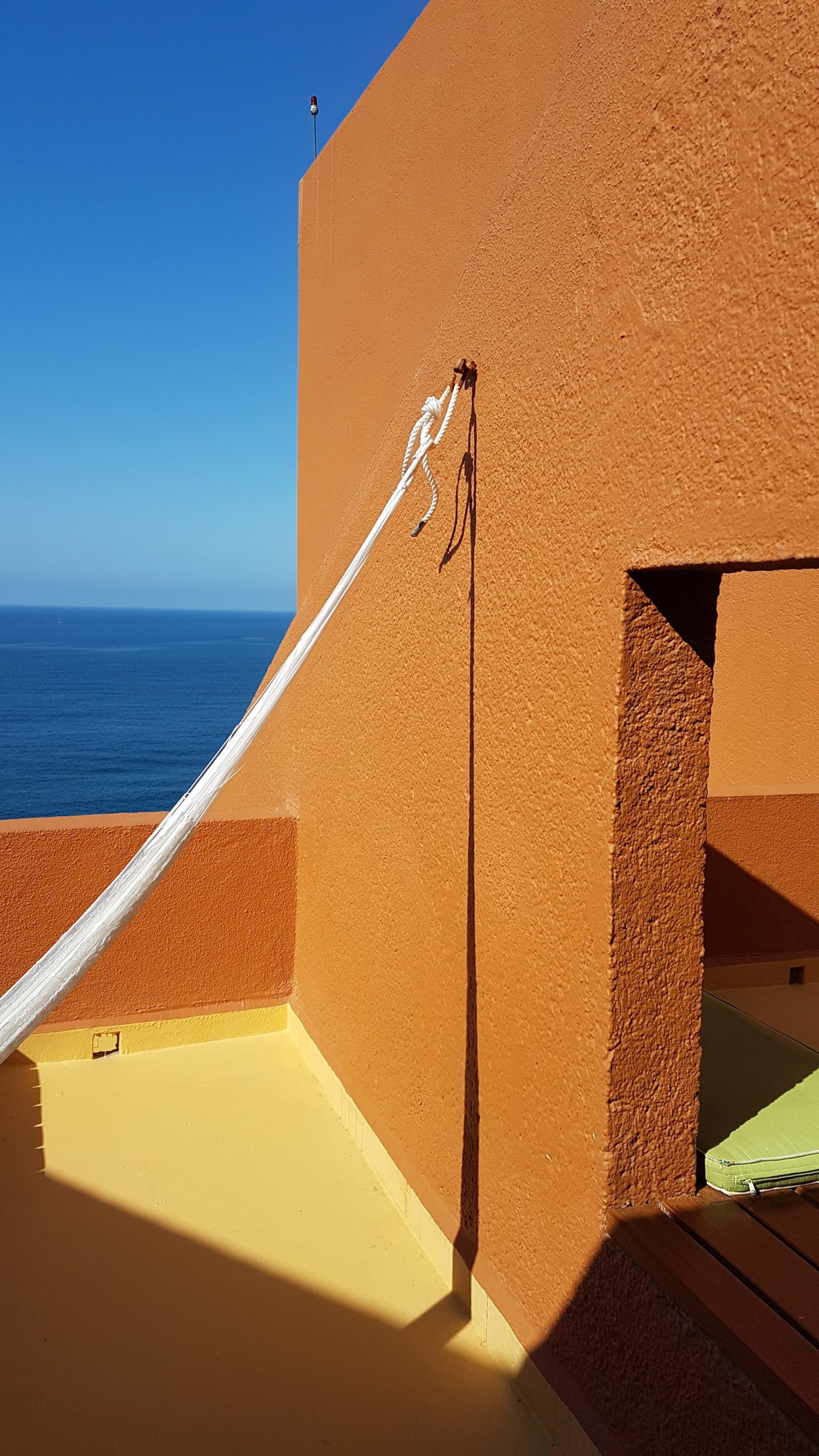
And here we are – in a rather lovely and luxuriously verdant resort near Xtapa – which is itself but a stone’s throw from Zihuatenajo. As ever I cannot travel without taking pictures. Herewith a random introductory selection:

Photo by Andy Dawson ReidPhoto by Andy Dawson ReidPhoto by Andy Dawson ReidPhoto by Andy Dawson ReidPhoto by Andy Dawson ReidPhoto by Andy Dawson ReidPhoto by Andy Dawson ReidPhoto by Andy Dawson ReidPhoto by Andy Dawson Reid

Absence of…

“Absence weakens mediocre passions and increases great ones, as the wind blows out candles and kindles fires.

Rochefoucauld

Those gentle readers who pay attention to such things will be wondering why this journal has not thus far this season featured its usual pithy observations on the great sport of Rugby Union – this, after all, being the time of year that the fabulous Six Nations tournament takes place in Europe.

Of course, those who not only subscribe to these musings but also follow the sport themselves will be very aware of one of the reasons for my silence on the subject – that being the abject performance – both on and off the field – of the Scots.

Actually – that is unfair. To be certain the Finn Russell affair shows everyone involved in a poor light and to lose one’s star player in such a manner goes way beyond careless, but on the field the Scots have actually looked considerably more competitive than they sometimes do. There is no getting round the fact that, however unluckily, they lost to the Irish in Dublin and then had the misfortune of coming up against both the English and storm Ciara at Murrayfield. The English handled the atrocious conditions marginally better than did the Scots and deserved to win, but it was not the game that either side – nor the partisan crowd – wanted to see.

The Scots absolutely must win well in Rome against the Azzuri next time out or things will look really grim. The French seem to have been re-invigorated this year and the final game against a smarting Wales at the Principality is no-one’s idea of a stroll in the park.

The other reason for the relative quiet on the Rugby front this year is that the Americas Rugby Championship – the North and South American loose equivalent of the Six Nations – has been moved from its now customary berth in February to the summer months. This year the tournament will be played in August and September. It will certainly be good not to have to sit on the cold aluminium bench seating at Westhills, nor to have to watch the players struggling with the snow covered pitch, but it remains to be seen how this traditionally winter sport transfers to the summer months.

I will let you know.

Naples ’44 – part 2


In my last post I wrote – probably somewhat unexpectedly – about Norman Lewis’s diary of his time working for British Army Intelligence in southern Italy during the Second World War, the which was published at the end of the 70s under the title – “Napoli ’44“. I did not explain in that post how I came to the topic, promising that fascinating titbit instead for this follow-up missive.

As it happens the book was brought to my attention – as is so often the case with such things – courtesy of the BBC. At the very start of December last year they screened a documentary film entitled “Naples ’44: A Wartime Diary“, the which was – as one might imagine – based upon the book.

The film was in fact made in 2016 by Italian director – Francesco Patierno, himself a Neapolitan – and is a very strange beast in its own right. Patierno was clearly very taken with Lewis’s perceptive and humane memoir of the war years as they affected his birthplace and his screenplay includes extensive selections from the book’s text, narrated by Benedict Cumberbatch.

Patierno assembled an impressive quantity of footage shot in Naples at the end of the war, to which he added dramatised recreations of wartime life and scenes of an actor representing Lewis – who himself died in 2003 – walking through the streets of modern Naples. He also – somewhat controversially – included rather incongruous clips from films such as “The Four Days of Naples“, “Il Re di Poggioreale” and – of all things – “Catch-22“.

To many critics – professional and amateur alike – this somewhat contrived attempt at summoning an atmosphere and creating a mood by means of a collage of no more than tenuously related images and scenes misses the mark dramatically (in all senses!). For me – however – the work had an unexpected resonance – the which I could not at first place. Many of the black and white images in the film reminded me of photos that I had seen as a child in pictorial histories of different elements of the Second World War that my parents had owned.

Then the penny dropped! My father and I had never talked very much about his war-time experiences. I was aware that he had had a ‘good’ war (if such a thing there could possibly be). I believe that he had done his basic training; that they had allowed him to fire a gun once, before rapidly taking it away again (Father’s eyesight and hand/eye co-ordination had been left poor by measles when a child) and that – with his studiousness and banking background – he rapidly found himself working in the military administration, well enough out of harm’s way. He loved languages (and in particular classical ones) and had been eager to travel, so spending much of the later years of the war in southern Italy suited him very well. (He would certainly have loved to have revisited the country subsequently, but never did. My mother did not care to travel and he would not go without her).

So – Father must have been in the region of Naples during the time that Norman Lewis was there and writing his diary. No surprise then that the words and images in Patierno’s odd film struck such a chord.

Now – of course – I must read the book and it is, accordingly, on order from an online bookseller…

Naples ’44 – part 1

I started this post way back before Christmas but found myself sidetracked by other things… one of which was, of course, Christmas itself. I found myself a little reluctant, however, to just let it go – for reasons that will become apparent later. It has thus sat here in very embryonic draft form for nearly two months.

I think that it is time that I put it to bed.

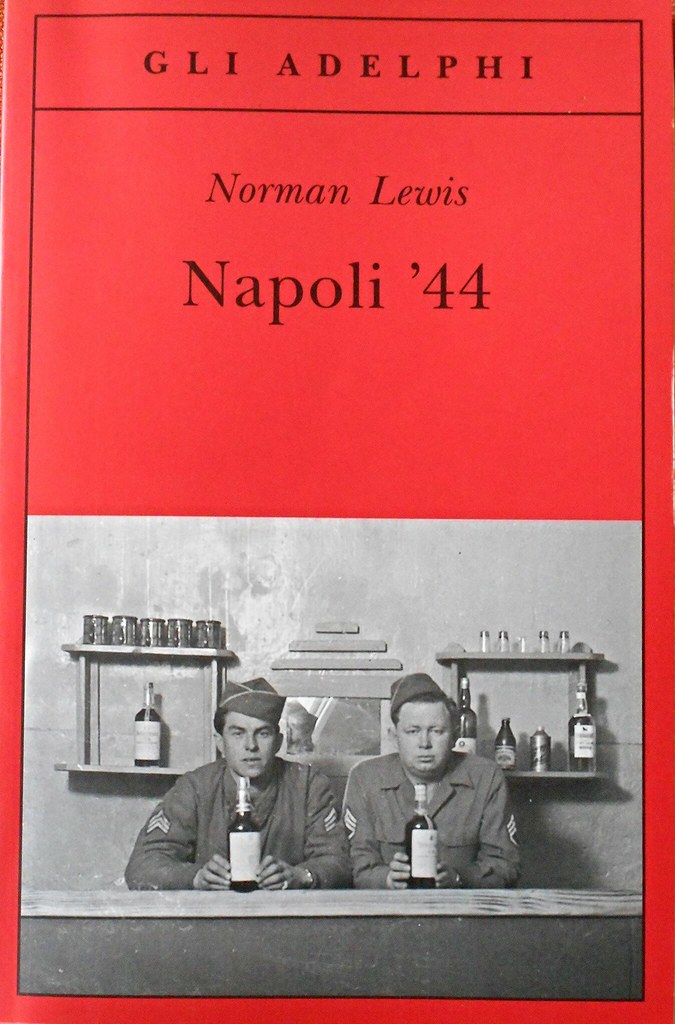
Back at the tail end of the 70s the slim volume illustrated at the top of this piece – “Napoli ’44” – was published by William Collins (and later – in 1983 – as a paperback by Eland Books). It was written by the British travel writer and novelist – Norman Lewis.

Lewis had been a sergeant in the Field Security Service of the British Army Intelligence Core during the Second World War and had kept a diary – the which forms the basis of this book – from September 1943 to October 1944, on his posting to southern Italy following the allied landings there. For much of this period he was based in Naples – hence the title of the book.

As though being part of the British/American administration in the chaotic wake of the invasion and observing the Neapolitans struggling to make their lives work again in the ruins of the heavily bombed and water-less city were not a sufficiently apocalyptic experience already, on the 19th March 1944 Vesuvius erupted in spectacular fashion, shadowing all other concerns with clouds of ash and streams of molten lava. Lewis was sent out by his masters to check on military installations under threat from the lava flows. On arrival (under volcanic bombardment) in San Sebastiano he found that a lava wave was forcing its way relentlessly down the main street, consuming buildings large and small as it went and with the cupola of the church riding on its crest.

I find it difficult enough to imagine what living through such a traumatic and disorientating period must have been like without the volcano, but the point at which Mother Nature ran out her cannons and added her own destructive power to the show must truly have convinced some that the end of days was at hand.

Lewis’s account has been much praised over the years and is all the more remarkable for not having been written for nearly three and a half decades after the events that it memorialises.

Now – I must admit at this point that I have not actually read the book (nor indeed have I found a copy – shame on me!) – and the gentle reader may thus at this point be chafing at the bit somewhat. Patience – patience – and I will explain just how and why I come to be writing about it.

That needs must, however, await the second part of this post…

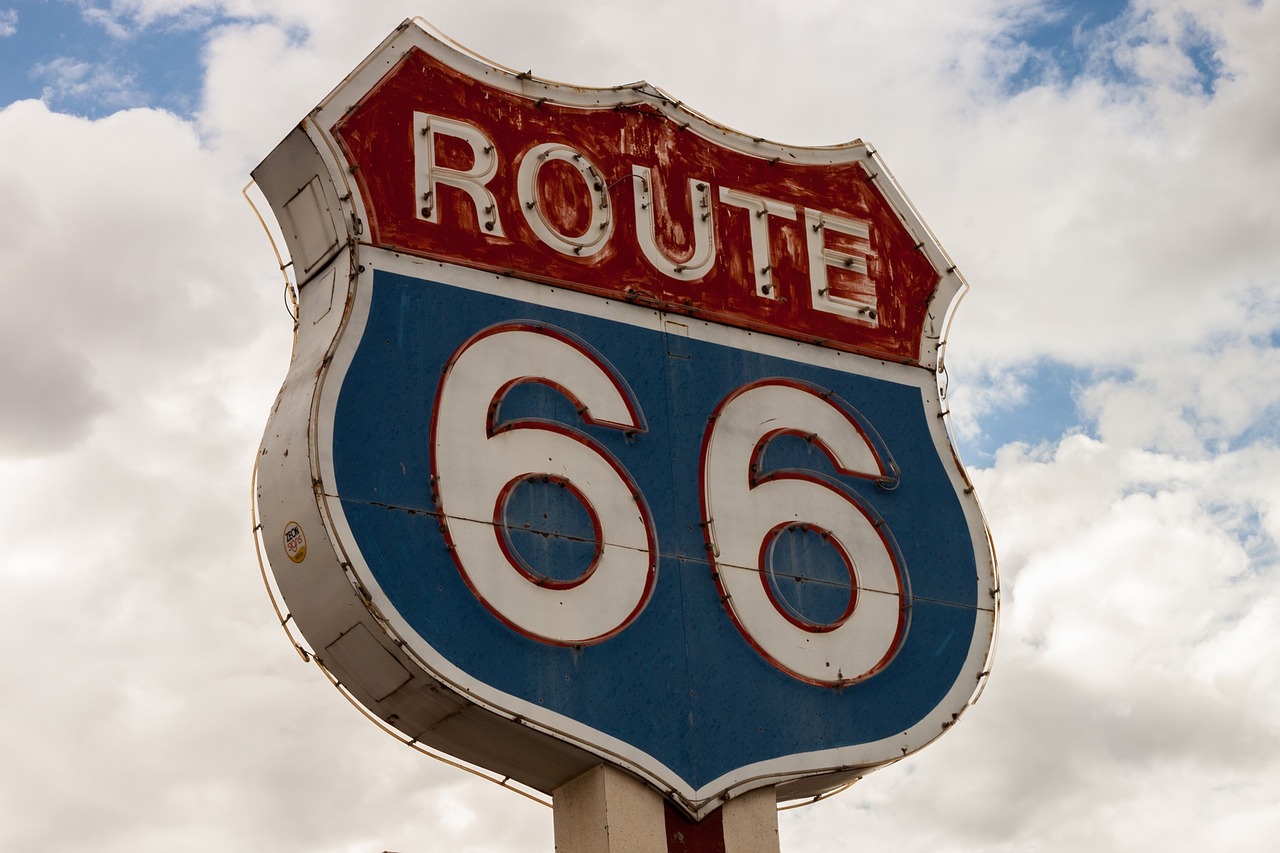
Sixty six

“If you ever plan to motor west,
Travel my way, take the highway that is best.
Get your kicks on route sixty-six.
It winds from Chicago to LA,
More than two thousand miles all the way.
Get your kicks on route sixty-six”.

Route 66 – Bobby Troup

Sixty six is:

…when you want to subtly tell someone to look behind themselves, you tell them to check their 6 o’clock. When you’re trying to tell someone to look at someone behind someone behind them, you say – “Check your sixty-six“.

Bro, check your sixty-six.” (he looks behind himself)
Meh, I’m not into blondes.”
I said sixty-six. The girl behind the blonde is a redhead.”

The Urban Dictionary

Sixty-six (or Schnapsen) is:

…a fast 5- or 6-card point-trick game of the marriage type for 2–4 players, played with 20 or 24 cards. First recorded in 1718 under the name Mariagen-Spiel, it is the national card game of Austria and also popular in Germany and Hungary.

Sixty six is:

…for Bingo – “Clickety click – sixty six!”.

Sixty six is:

…the date of a celebrated (and extremely rare!) English footie World Cup win back in the day. You know – “Two world wars… etc, etc!.

Sixty six is:

… a Fender guitar. The Sixty-Six, so named for the birth year of the Jazz Bass and its six strings, fits perfectly in the Alternate Reality Series, which aims to dive into Fender’s tradition of interesting body styles and tonal configurations and create uniquely compelling instruments.

Sixty six is:

…an Angel Number that carries a message from our angels about abundance, optimism, and creativity.

Sixty six is:

one more than 65 in number!


…and of course – as of a few days ago – my new age!

That time of year…

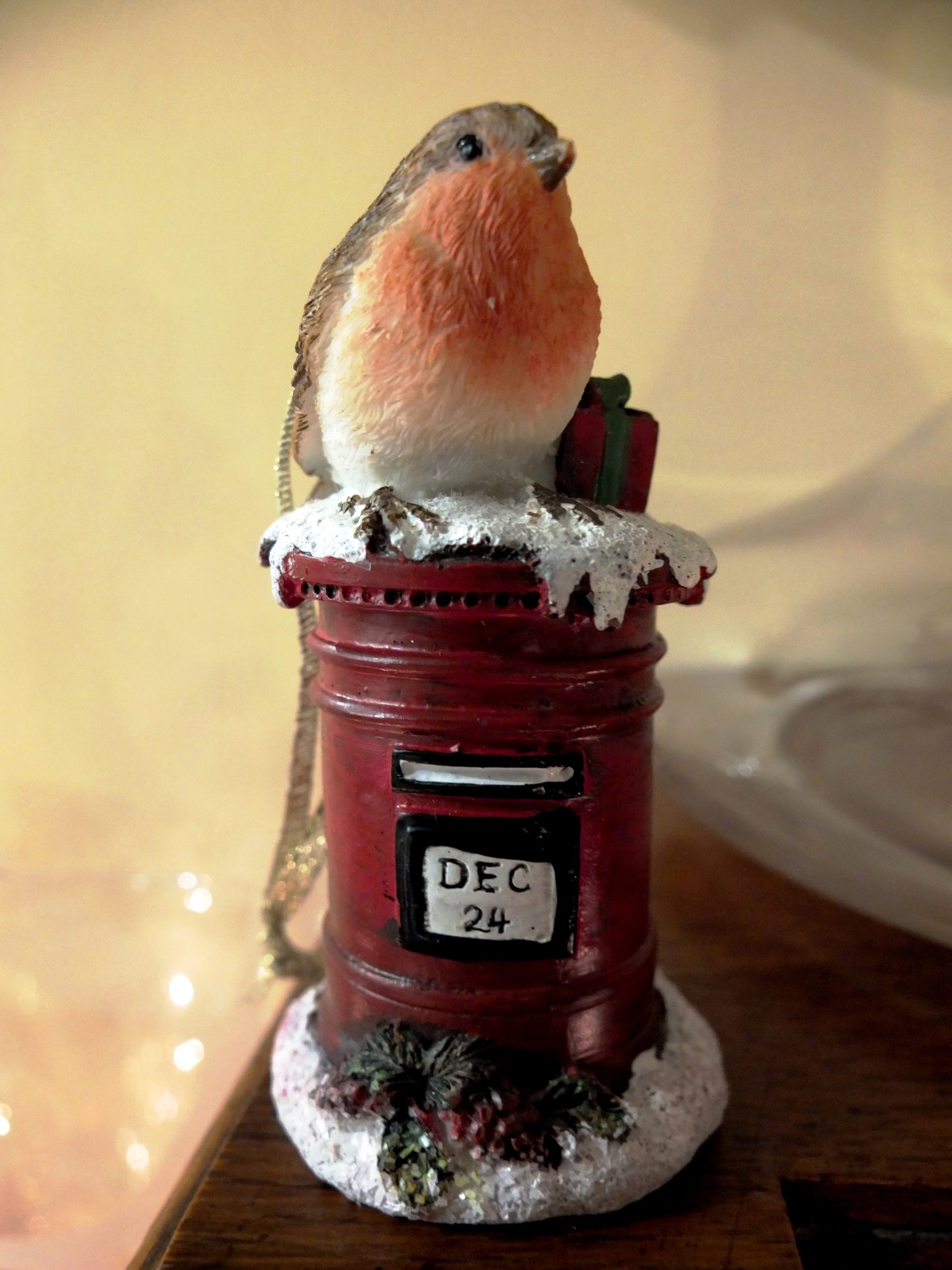
Yes indeed! It is the night before Christmas and thus the time that I ‘traditionally’ roam the house with a camera – looking for Christmassy images to capture… so that I might post a seasonal pot pouri of ‘ph’estive photographs.

How am I doing?

As ever at this juncture…

…to friends, acquaintances and gentle readers…

from the Kickass Canada Girl and the Imperceptible Immigrant.

Have a wonderful Christmas and a splendid Hogmany!

Photo by Andy Dawson ReidPhoto by Andy Dawson ReidPhoto by Andy Dawson ReidPhoto by Andy Dawson ReidPhoto by Andy Dawson Reid

Train in the distance

“Everybody loves the sound of a train in the distance
Everybody thinks it’s true”

Paul Simon

Photo by Andy Dawson ReidIf it is a Saturday night late in November then there is a good chance that it is time once again for…

…Barney Bentall’s ‘Cariboo Express’ at the Mary Winspear!

Thus it was this weekend just passed.

Now (you the gentle reader may say to yourself) this is not the first time that these pages have contained an enthusiastic paean to the cavalcade that is the Express on its annual charity fundraising outing (in this case for the eminently worthy cause of the Sidney Food Bank). Is he mayhap running out of things on which to pontificate?

The thing is this… over the last year or so we have attended any number of musical soirées of one sort or another and, much as I have enjoyed them, I have frankly begun to wonder if I am getting too old for this sort of thing. The problem is that I am no longer very tolerant of poor sound quality or (and in particular) of sound pressure levels that are excessive. In other words – I don’t these days care for music that is too loud.

It is true that I possess a very expensive and most effective pair of ear protectors and they do work well – but they inevitably distance one somewhat from the immediacy of the occasion. Barney himself visited the Mary Winspear a while back with his original band – the ‘Legendary Hearts’ – and whilst they were a lot of fun they also were too damned loud!

But then – just when I begin to despair – along comes the ‘Cariboo Express’ again for their three night residency. Lo and behold the sound is perfect – a full but acceptable level and well mixed. The band – all eleven or twelve of them (I lose count) are having a ball and the audience is a-lovin’ it. Feet are a-tapping. Punters are aching to get up and dance. Clapping and singing along are the order of the day and everybody has a whale of a time.

In short – my faith is restored.

So – long may the Express keep running.

Photo by Andy Dawson Reid

Lost in translation

Image by Igor Ovsyannykov from PixabayI have long been an enthusiastic amateur pizzaiolo.

Once I became gainfully employed (as a young man back in the late seventies) and could thus afford on occasion to eat out, it didn’t take long to discover a somewhat superior but yet reasonably-priced pizza chain that I and other close friends and associates could frequent – and where we subsequently spent a fair amount of our leisure time.

Pizza Express was founded in London back on 1965 by Italophile and pizza enthusiast – Peter Boizot. He had learnt how to make Neapolitan pizzas properly in Italy and was eager to share his knowledge. Though it has since been bought out the chain is still running today in the UK and elsewhere and is still a reliable ‘go to’ when one is in the mood for a good basic pizza.

I liked the product so much (whilst at the same time disliking grocery store pizzas with a similar fervour) that I decided that I had to learn how to make my own pizzas at home. Mr. Boizot had helpfully published a slender volume describing the art in detail and I rapidly acquired a copy. The book has long since disappeared into that mysterious place to which valuable things sadly vanish all too often, but not before I had memorised most of the essential details.

I happily spent the next three and a half decades practicing the noble art and – though I say so myself – I ended up as a pretty decent pizzaiolo.

Then we moved to Canada!…

I still make pizza – though somewhat less frequently than of yore – but I have found that I must now relearn how to make it well. The reason for this somewhat counter-intuitive fact is simple: ingredients!

Back in the UK I had a reliable source of “00” flour, usable instant yeast, various ‘ready to go’ tomato bases and just the right cheeses, mushrooms, olives and artichoke hearts and suchlike.

Here in Canada these things are all subtly different and the resulting pizzas just aren’t quite as good. I found the flour but instant yeast results have thus far varied wildly, making it difficult to get a reliable ‘rise’ and the consequent fluffy texture. Cheeses are difficult in part because of the Canadian habit of selling everything in vast quantities. I used to be able to get a decent mozzarella from Waitrose in just the right portion size to make a decent pizza for two. Here I have to buy a huge thing which results either in my overdoing its use or in wasting good cheese. I can’t get quite such good goat cheeses either.

The main problem, however, has been the tomato base. In the UK there were at least two different products that delivered from the can the required thickness, texture and taste to make a reliably yummy pizza. Here there is apparently no equivalent. I am now having to resort to learning how to make my own tomato base from scratch. One might suggest that I could have done this before now, but the fact remains that there was previously no need to do so. It is now going to take me a while to learn how to turn out a decent one.

Oh well! There is – as they say – no harm in trying (at least we get to eat pizza!)…

Ouch!

Image from PixnioIt is difficult to know quite what – if anything – to write on the subject of England’s performance against South Africa in last Saturday’s final of the 2019 Rugby World Cup.

The first thing to do though – obviously – is to congratulate South Africa on their comprehensive win – an achievement that looked no more than an outside possibility in the earlier stages of the competition, particularly when the All Blacks comprehensively out-thought them in their opening encounter.

The fact was, however, that in the final they really wanted the win with a fervour that England couldn’t match. One might point out that the game had still been close with fifteen minutes remaining on the clock and that the two South African tries came in part because the English were chasing the game and that opportunities arose as a result in the way that they tend to do in such circumstances. That would be an injustice, however, given the way that the Springboks had dominated the English in the set-pieces throughout.

It became apparent very quickly that England were not on this occasion going to match the fluent control that marked their splendid and comprehensive win over the All Blacks a week before. The first handling errors came very quickly – always a sign that a side is subject to a degree of pressure that they have not previously encountered. Given the worlds of difference between semi-final and final performances it almost felt for a moment that we were watching the Scots – who are much more prone to such swings in fortune (and accomplishment) from one week to the next.

No – the key thing at this stage is to congratulate the new world champions, but at the same time to laud the English for the way they set about the competition; for their performances – in particular in seeing off the Australians in the quarter-final and the previously all-conquering All Blacks in the semi-final – and for ending up as very worthy runners-up.

Worth noting also that England are in the main a young side and that they are only going to get better.

Final notice


Well – here we are – the end is in sight… with regard to the 2019 Rugby World Cup anyway! This Saturday coming sees a repeat (in terms of the combatants) of the 2007 final in Paris between England and the Springboks.

The semi-finals turned out broadly in line with the suggestions that I advanced in my last post on the subject.

England proved that they did after all have too much for the All Blacks on this occasion. Indeed they made the Kiwis look quite ordinary for considerable portions of the match in a manner that one rarely sees. As the second half wore on it became all too clear that the All Blacks did not know how to break England down. One side effect of this powerful and sparkling performance is that England have subsequently been made somewhat unexpected favourites to take the crown… which may not altogether suit them.

My prediction for the other semi-final – between Wales and South Africa – was that it would be a dour affair in which each team would attempt to out-muscle the other. The match would go down to the wire and one side would win at the last gasp by three points. The only thing that I got wrong was that I thought Wales would sneak it, whereas in fact the Saffers did so.

Back in the early stages of the pool section of the tournament the All Blacks convincingly beat the Springboks. They did so by patiently absorbing all of the South African pressure and waiting for the chinks to appear in their armour. When these duly did so the All Blacks scored two rapid tries in a five minute period and killed the contest stone dead.

England will doubtless try – and should be able – to do something similar. There is a bit of a history now of teams winning heroically against the odds in World Cup semis (usually against the All Blacks) and then having nothing left for the final. Eddie Jones – the England coach – has had experience of this before, not least in 2003 when he managed Australia to the one World Cup final that England have (to date) actually won. I am going to assume that – armed with that experience – he will know how to keep English noses pressed to the grindstone for long enough for them to be triumphant.

Incidentally, back in 2007 England were not expected to do well in the tournament. The Girl and I had booked ourselves a cheeky Autumn break in the Algarve which just happened to coincide with the final. When England got through – against all odds – we had to scurry around the town in which we were staying looking for somewhere to watch the match. Fortunately one of the restaurants in the main square was smart enough to have arranged screens overlooking their outside tables. We were thus able to watch England losing to the Springboks (and we still maintain that that Mark Cueto try was good!) while enjoying a decent al fresco dinner on a balmy Mediterranean evening.

Anyway – go England for this Saturday!