web analytics

Naples 44 – part 3

Inveterate lingerers upon these pages will no doubt recall (quoth he optimistically) my posting back in January of a brace of articles on the subject of the slim volume of wartime memoirs by the British travel writer and novelist – Norman Lewis – that was published in the late 1970s by William Collins and to which my attention had been directed in the closing months of last year by the BBC’s showing of Italian director Francesco Patierno’s impressionistic film that was based upon it.

To save further lengthy sentences containing multiple clauses elucidating the matter, let me save a little time by referring the gentle reader directly to those pieces – which may be effortlessly located here and here.

The articles in question contained the slightly embarrassing admission that I had not, in fact, actually read the book – though I had located a copy online and placed an order. This tome duly arrived shortly after my postings and accompanied us on our jaunt to Mexico back in mid February, where it took but a few days to consume, providing much pause for thought in the process.

The book is fascinating; thought-provoking, disturbing, funny and moving all at the same time. It highlights the chaos and insanity of war and the vivid description that it contains of a society that has been utterly upended and thrown into disarray – in which all human life must struggle to find a way to survive and even ultimately to flourish – offers important perspective and guidance on our own troubled times.

One of the things that struck me most about the book was how contemporary the prose feels. It does not to me give the impression of a piece of writing from the middle of the last century, nor yet of the 1970s when it was actually committed to paper. In my view this makes it even more pertinent today.

Should you wish to know more about the book I earnestly recommend this ‘Re-reading‘ piece from the Guardian back in 2011.

If you have read the second of my earlier postings on the subject you will know that one reason for my interest in the book is that my father was most likely in Naples – and certainly somewhere in that part of Italy – at the same time as was Norman Lewis. Lewis refers repeatedly to the Allied Military Government (AMG) that had been established in Italy subsequent to the landings there. I am pretty certain that my father had some small capacity in that organisation.

The reason that I believe this to be so is that I have seen a number of documents and other items from my father’s time in Italy which bore – as far as my aging memory can recall – the imprint of the AMG.

Why could I not simply check this before commencing this post?

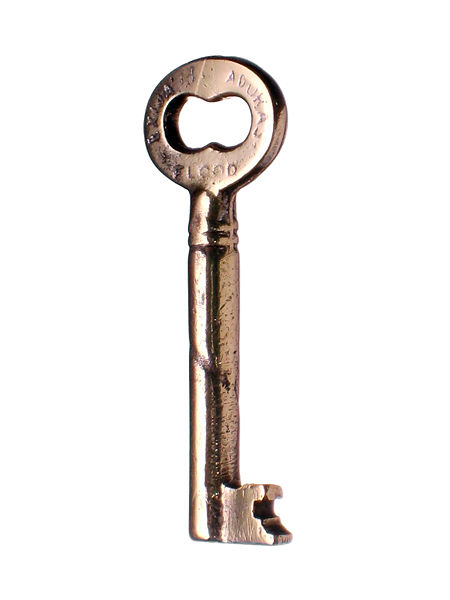
Because said documentary evidence is – as far as I know – apparently irrevocably locked in the desk compartment of my beloved Davenport!


Closed in

“We are closed in, and the key is turned
On our uncertainty…”

William Butler Yeats

As the world holds its collective breath – uncertain as to what will happen next…

…if nothing else we may find that we have time on our hands for musing – and a still, small space for so doing in this world normally in such a hurry might well be one of the only positives to come out of this calamity.

So – as a TV comedy character in the UK was once wont to exclaim…”Bear with…”

My parents were both hoarders. Which is to say – when my mother passed away and my siblings and I ventured to clear the house where they (and, for a considerably shorter period, we) had lived for almost fifty years, we discovered not only five decade’s worth of papers, postcards, letters, pirated music scores and so forth, but also – amongst many other items of furniture – every chair that they had ever purchased together… as well as some that they had probably inherited. Some of these items were, frankly, no longer in a usable condition but they had nonetheless been left in situ. When we had finished clearing the house it felt almost twice as big as it had seemed beforehand.

This was not to suggest, however, that my parents collected furniture; and certainly not in the sense that they knew anything much about it or had an eye for an attractive or collectable item. My father’s mother had lived (when I was a youngster) with her sister, my great aunt, in a large Edwardian house not that far from Sevenoaks in Kent. When they both passed away – within a month or so of each other – my father executed their estate. Looking around the house – which had not been updated for many a long year – we were struck by some of the beautiful pieces of furniture that they had obviously accumulated over an extensive period. When I asked my father why he would not, for example, hang on to that lovely Victorian dining table and chairs (it being considerably more attractive than the one that they then possessed) he simply opined that “a table is a table“, in spite of clear visual evidence that that was not in fact the case. When said dining room furniture was eventually sold at auction he expressed surprise at the value that was placed upon it and, indeed, at how much it sold for.

I was at the time living in the very first house to which I was a party to the purchase. This was a most pleasant but tiny Victoria terraced cottage and there was scarcely room to swing a (smallish) cat, let alone to find room for further items of furniture – however lovely. At my grandmother’s house my eye had been caught by a really most attractive Davenport writing desk, after which I soon found myself hankering. I certainly did not want it to go outside the family so I persuaded my parents to hang on to it and also to ‘put my name upon it’ as a potential future inheritance. This beautiful item thus eventually found its way – upon my mother’s passing – to our home in South Buckinghamshire, where it looked quite as though it had always been there.

Naturally the piece followed us, first to Berkshire and then eventually across the pond (and a continent) to the West Coast of Canada, where it now sits proudly in our living room.

There is but one small problem, however. The desktop of the Davenport – though unlocked when the movers arrived in the UK – was firmly locked by the time the item was unpacked in Victoria. The key, sadly, was nowhere to be found. In spite of my best efforts since I have been thus far unable to gain access to the top of the desk… which is annoying!

Now – I can sense a certain impatience out there in reader-land. “Why is he prattling on about furniture (however lovely)?” – I hear you asking. “Is he just going quietly bonkers cooped up in doors because of the Corona virus?“.

Well – there is a connection and all will be revealed – but that may take one – or two – more posts…

What? You had something else to be doing?


The tide turns

My reluctance of but a few weeks back to talk at all about this year’s rugby has magically dissipated. Naturally this has come about because the teams that I support have had a good weekend. Had Bath not been schooled quite so comprehensively and to quite such an embarrassing degree by Exeter at Sandy Park it might even have been a great rugby weekend.

England were far too much for Wales at Twickenham, rediscovering their form from the World Cup at just the right point. The final scores were, frankly, closer than the game merited, as a result of England being down to thirteen men for the final ten minutes (through their own fault it must be said). On the run of the play overall they should have won convincingly.

Scotland – having come close but failed to register a win in their first two encounters – had finally done the business two weeks ago in Rome. Now they needed to beat the resurgent (and Grand Slam hopefuls) France at Murrayfield. The unbeaten French have started each game in the championship thus far at a gallop and have successfully hung on to the ensuing leads. Scotland, however, rather surprisingly find themselves flaunting this year’s best defensive record in the Six Nations – their parsimony with the points almost living up to the national stereotype. This promised to be a good contest…

…and close it was for the first forty minutes. Then – in classic French style – one of their young and hot-headed forwards reacted to a bit of the customary pushing and shoving by landing a hay-maker on James Ritchie’s jaw. Now, Ritchie is the sort of man for whom the term ‘nuggety’ was coined and he simply shook it off. The Frenchman, however, was duly dispatched for the remainder of the game and the Scots turned in an admirably ruthless performance to beat their Gallic opponents comfortably.

Joy!

The tournament itself, however, is now affected badly by COVID-19. Next week’s ‘Super Saturday’ (when all three matches are normally played one after another) has been reduced to just the first game – the Scotland/Wales fixture in Cardiff. The other matches will be played at some future date (probably in the Autumn – if at all) which means that there will be no actual tournament winner anytime soon.

The situation certainly does lend perspective to what is – and the end of the day – just a sport, but it is a great shame nonetheless. Our very great sympathies to all those who have been and will be affected by the virus.


Mexican miscellany – revisited

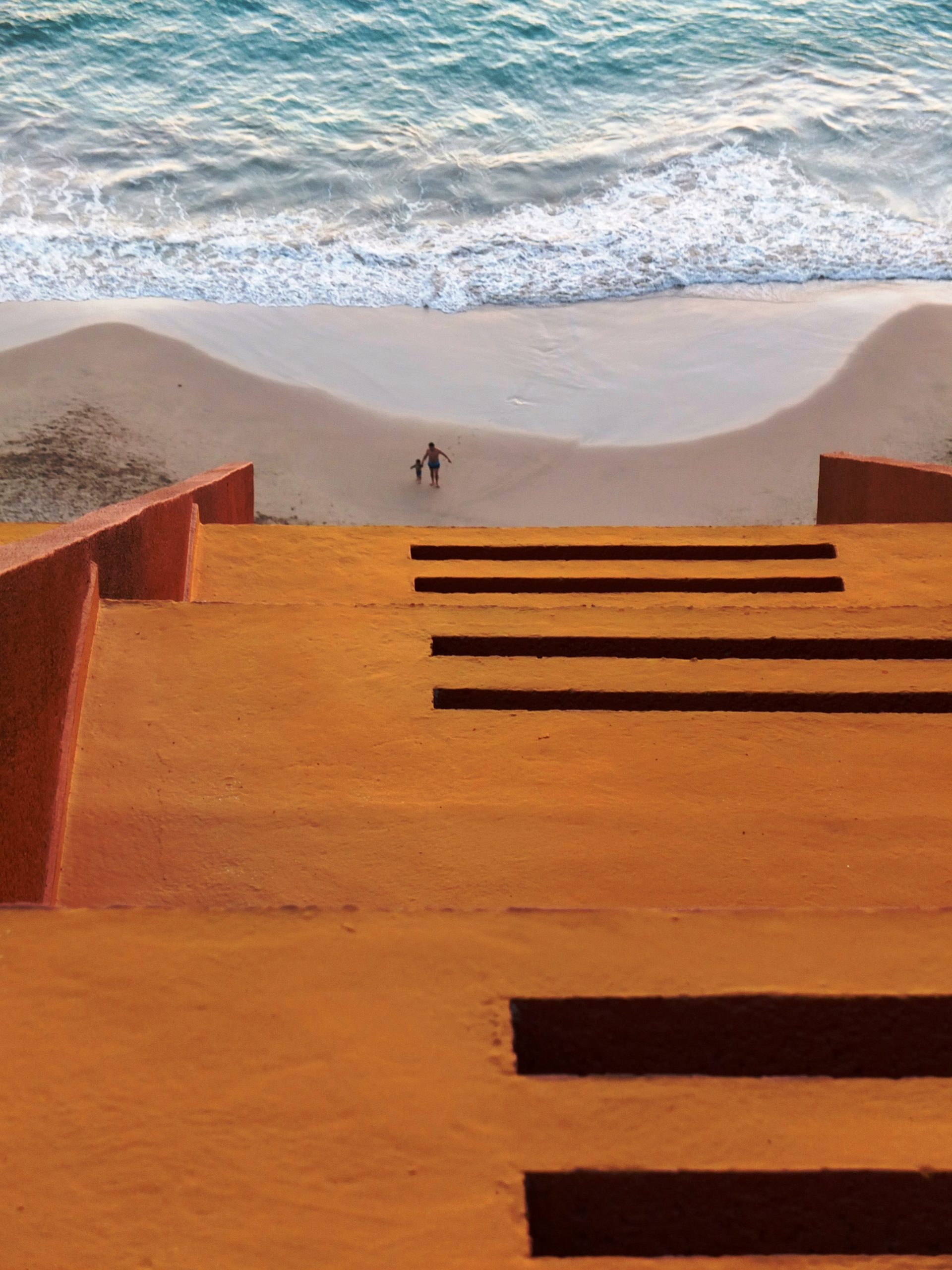
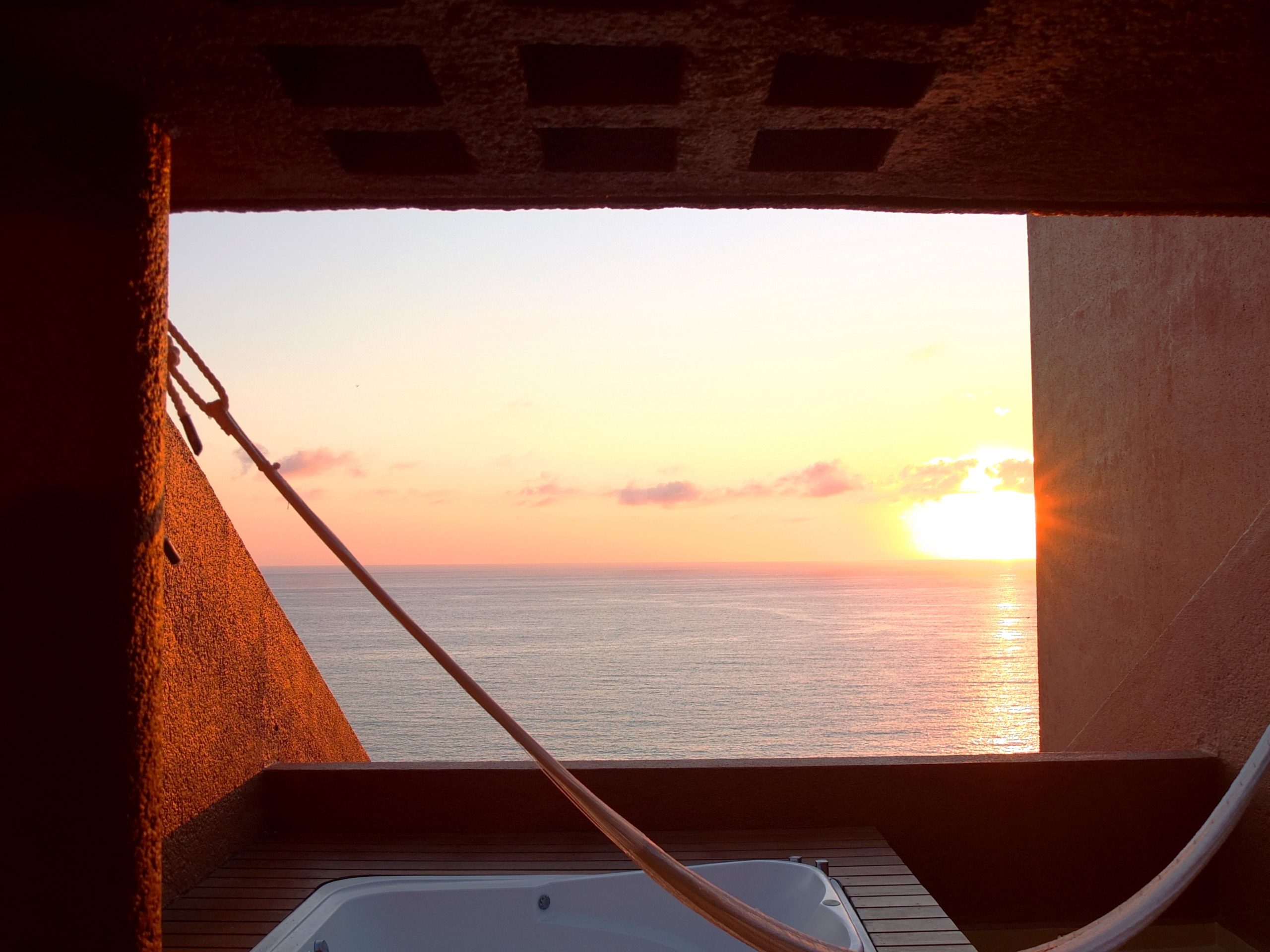
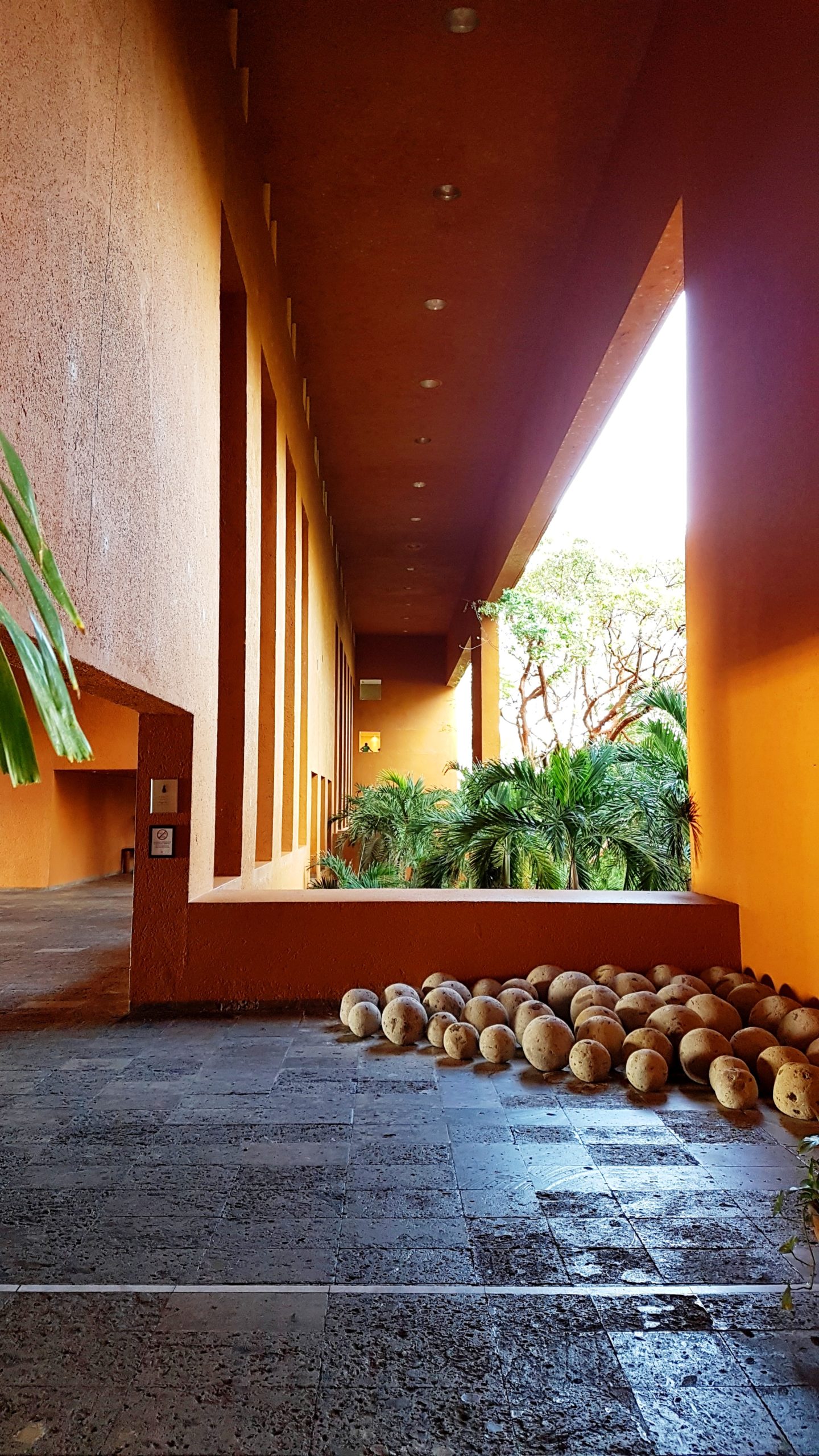
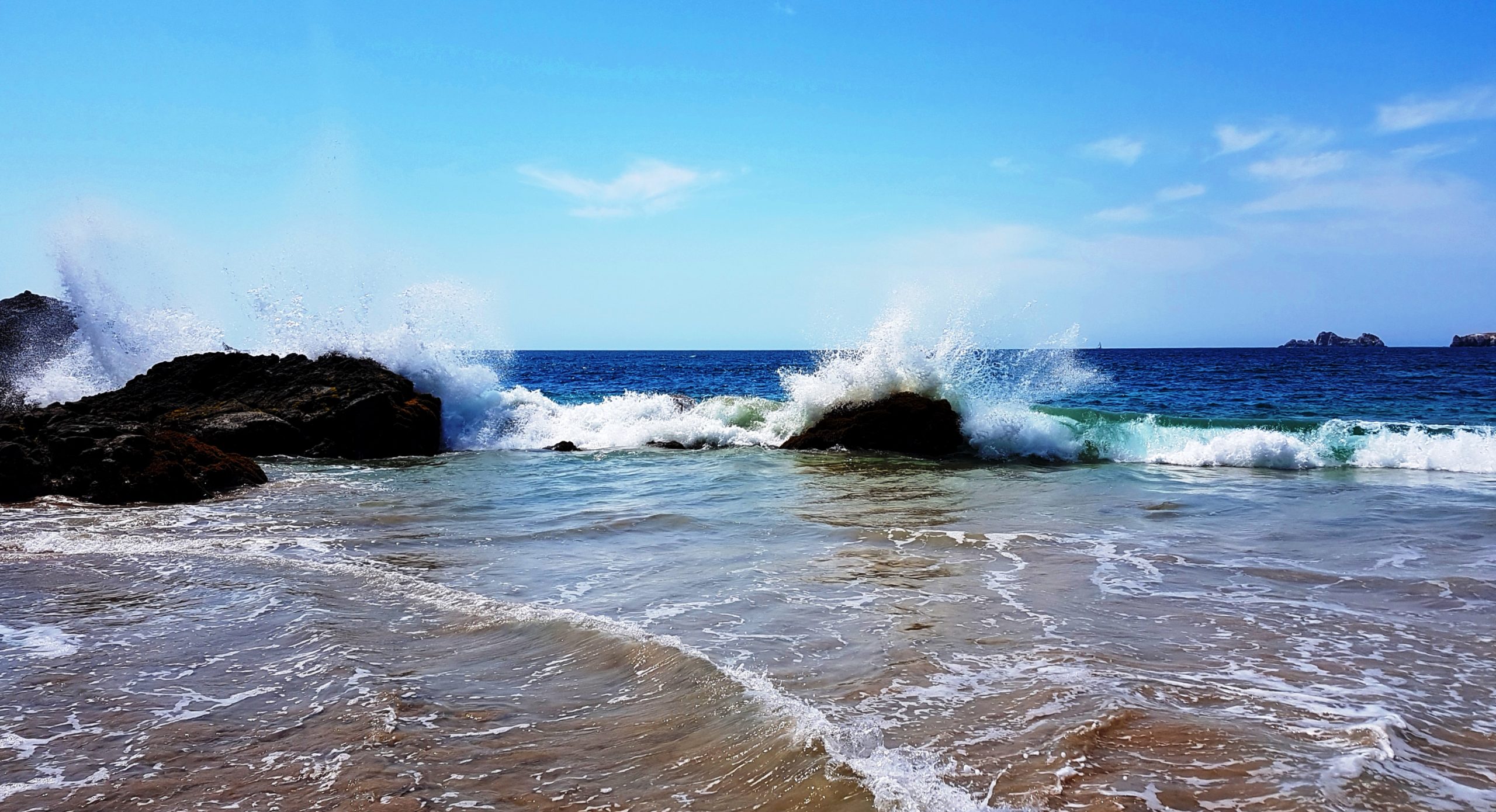
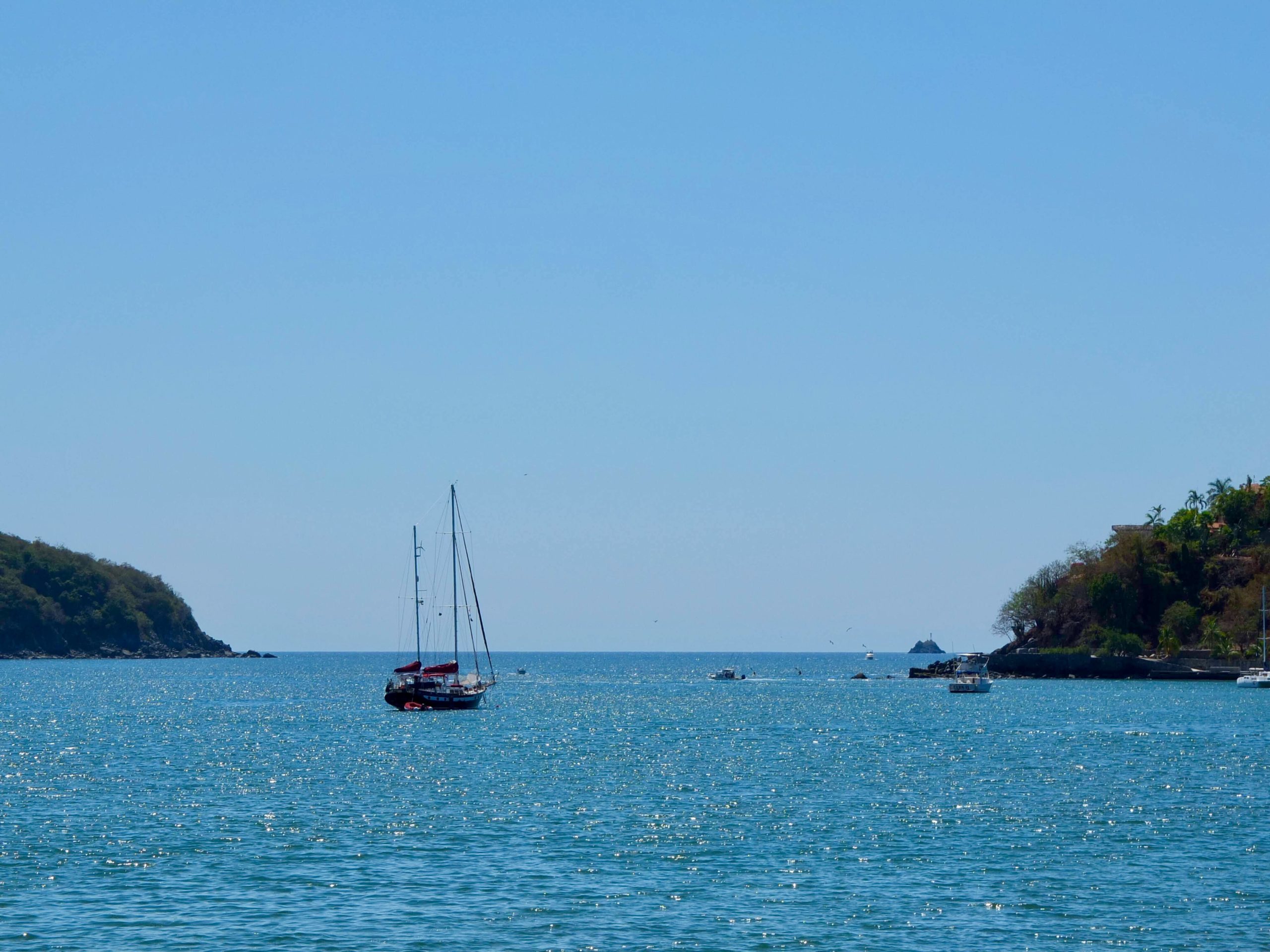
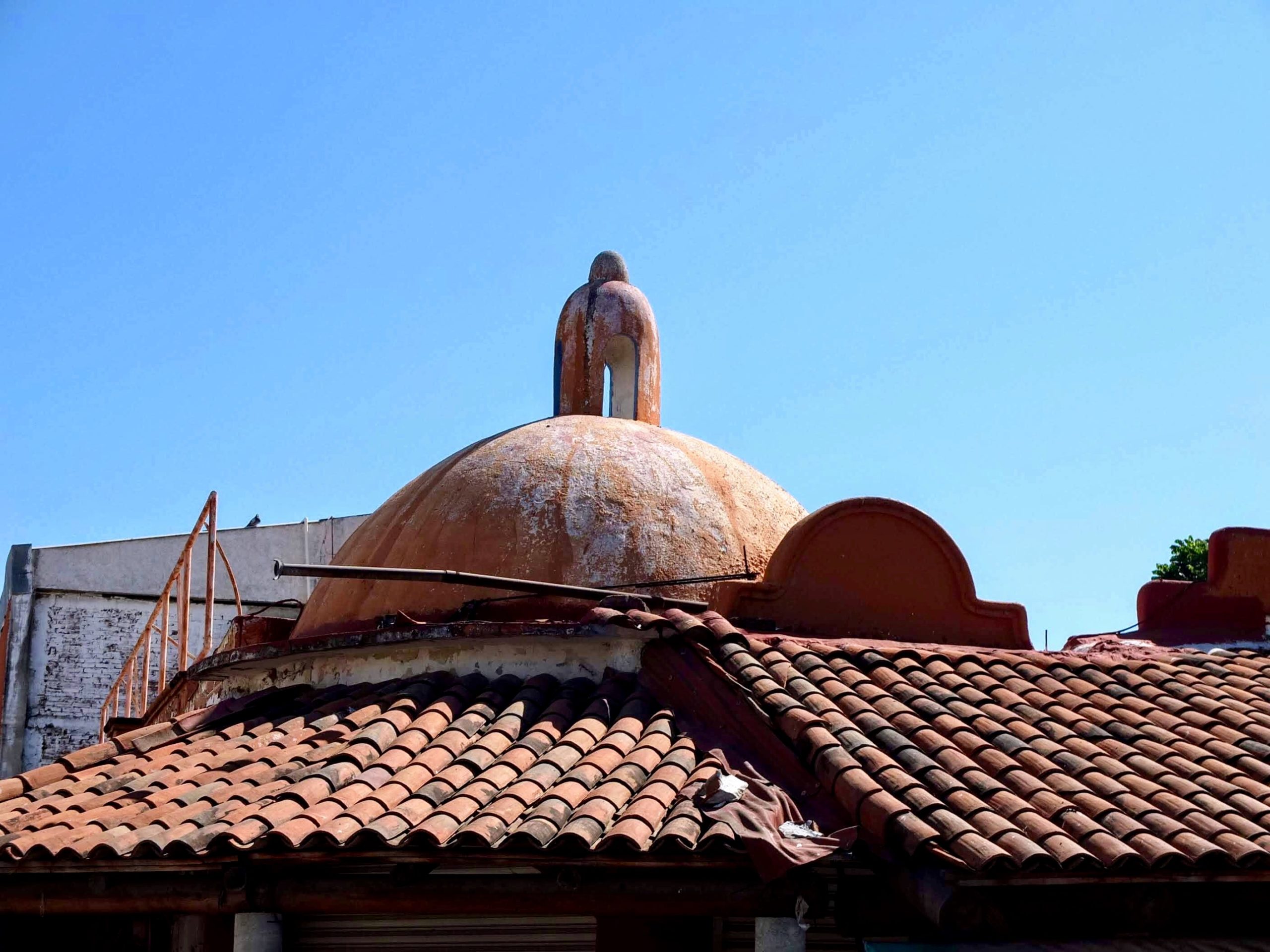
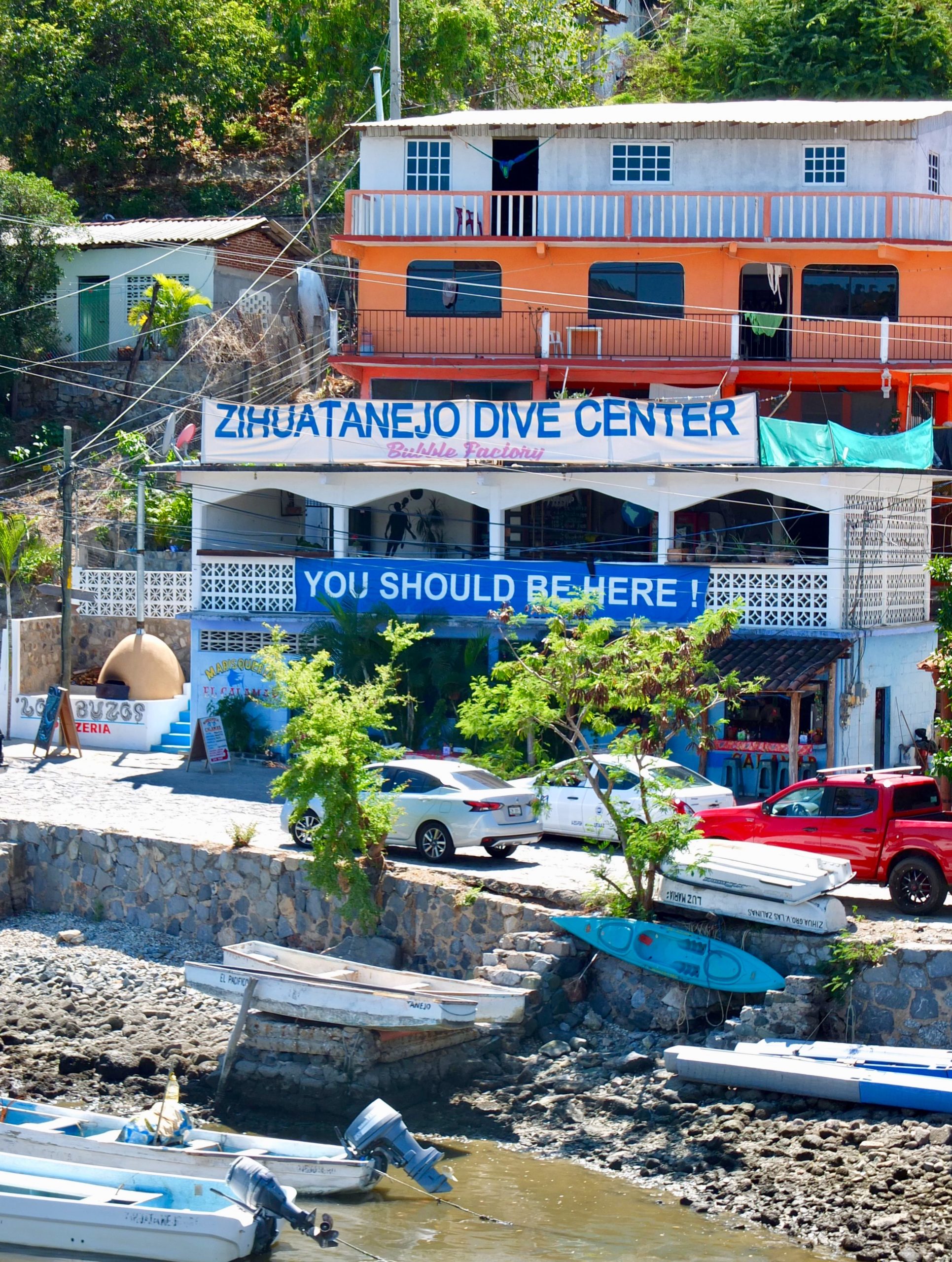
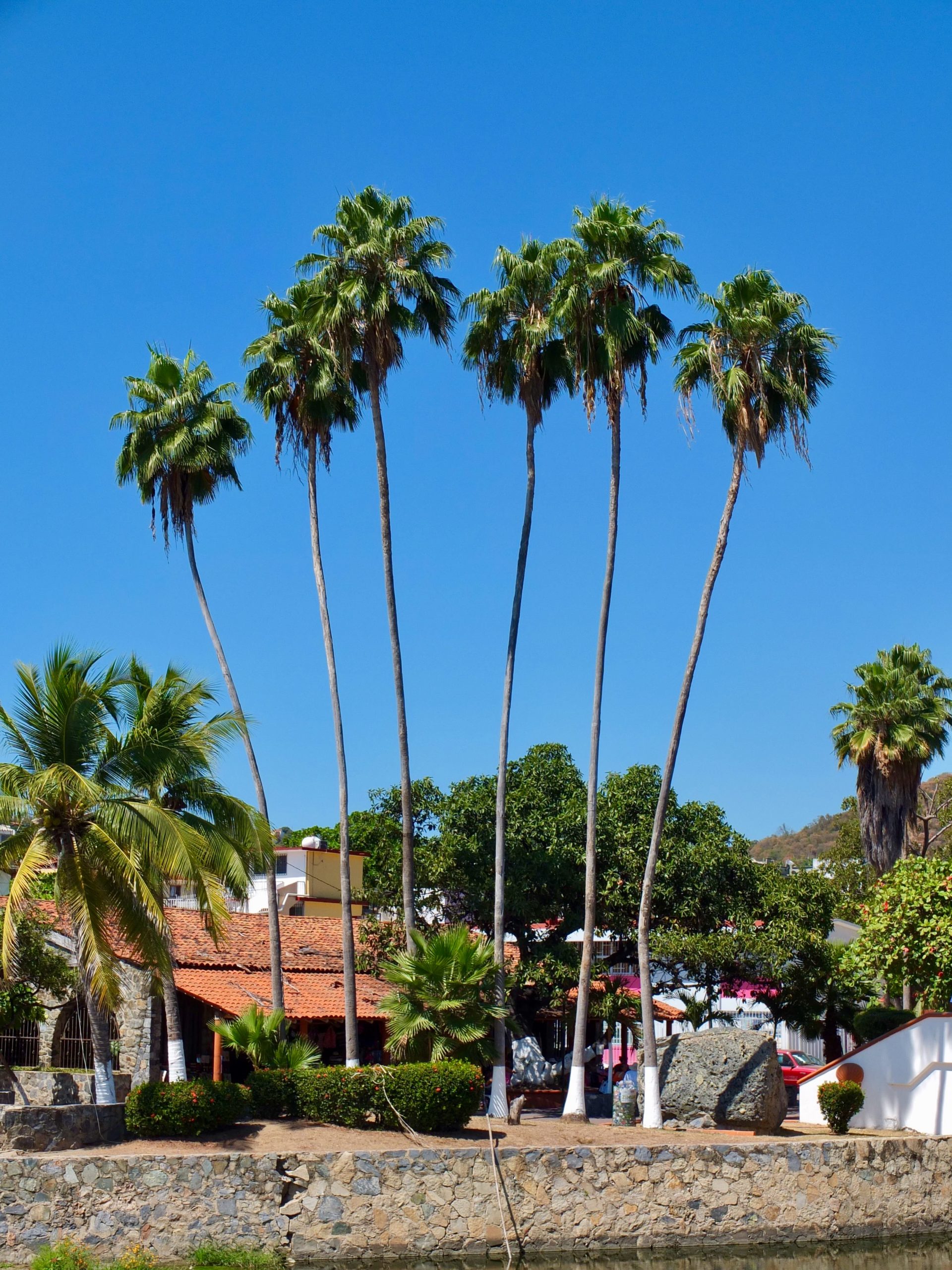
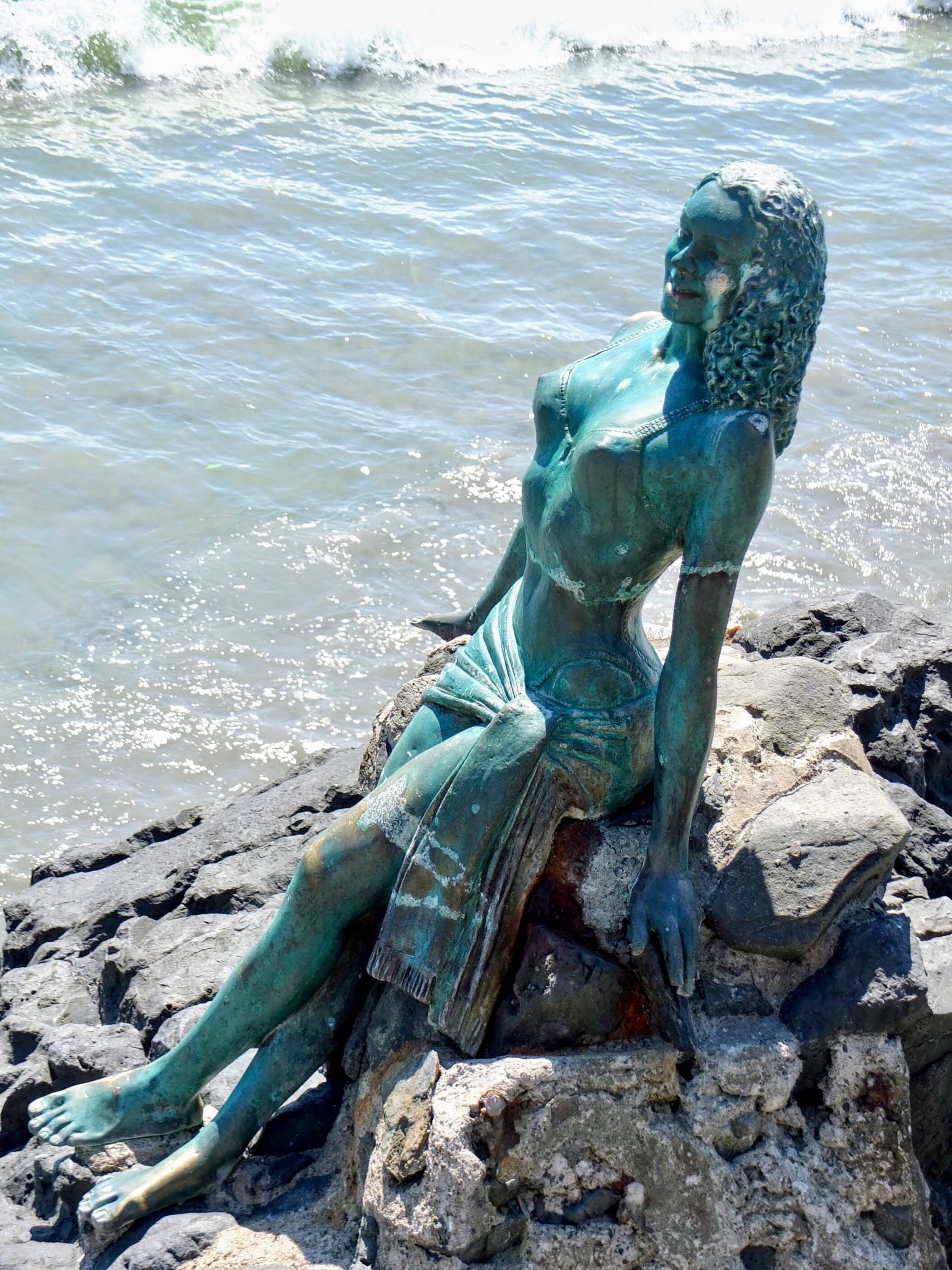
The Girl is slowly getting over her sinus infection. I am fighting off a mild attack of the sniffles (no comparison!). Let us cheer ourselves up with a quick miscellany of jolly images of sun-drenched Zihuatanejo (where the maximum temperature varies by less than 5 degrees C – across the whole year!)…

Photo by Andy Dawson ReidPhoto by Andy Dawson ReidPhoto by Andy Dawson ReidPhoto by Andy Dawson ReidPhoto by Andy Dawson ReidPhoto by Andy Dawson ReidPhoto by Andy Dawson Reid

Zihuatanejo

“ANDY: Think you’ll ever get out of here?

RED: Sure. When I got a long white beard and about three marbles left rolling around upstairs.

ANDY: Tell you where I’d go. Zihuatanejo.

RED: Zihuatanejo?

ANDY: Mexico. Little place right on the Pacific. You know what the Mexicans say about the Pacific? They say it has no memory. That’s where I’d like to finish out my life, Red. A warm place with no memory. Open a little hotel right on the beach. Buy some worthless old boat and fix it up like new. Take my guests out charter fishing.”

The Shawshank Redemption – by Frank Darabont
Based upon the story – ‘Rita Hayworth and Shawshank Redemption’ – by Stephen King

Photo by Andy Dawson ReidPhoto by Andy Dawson ReidPhoto by Andy Dawson ReidPhoto by Andy Dawson ReidPhoto by Andy Dawson ReidPhoto by Andy Dawson ReidPhoto by Andy Dawson Reid

Salsa with everything

“I’m Mexican. I eat salsa with everything.”

Anjelah Johnson

I believe that I have mentioned previously within these musings that The Girl and I were going to take advantage of the College having a ‘reading week’ this February to run away to Mexico for a little R & R – not to mention some much needed sunshine and warmth.

And here we are – in a rather lovely and luxuriously verdant resort near Xtapa – which is itself but a stone’s throw from Zihuatenajo. As ever I cannot travel without taking pictures. Herewith a random introductory selection:

Photo by Andy Dawson ReidPhoto by Andy Dawson ReidPhoto by Andy Dawson ReidPhoto by Andy Dawson ReidPhoto by Andy Dawson ReidPhoto by Andy Dawson ReidPhoto by Andy Dawson ReidPhoto by Andy Dawson ReidPhoto by Andy Dawson Reid

Absence of…

“Absence weakens mediocre passions and increases great ones, as the wind blows out candles and kindles fires.

Rochefoucauld

Those gentle readers who pay attention to such things will be wondering why this journal has not thus far this season featured its usual pithy observations on the great sport of Rugby Union – this, after all, being the time of year that the fabulous Six Nations tournament takes place in Europe.

Of course, those who not only subscribe to these musings but also follow the sport themselves will be very aware of one of the reasons for my silence on the subject – that being the abject performance – both on and off the field – of the Scots.

Actually – that is unfair. To be certain the Finn Russell affair shows everyone involved in a poor light and to lose one’s star player in such a manner goes way beyond careless, but on the field the Scots have actually looked considerably more competitive than they sometimes do. There is no getting round the fact that, however unluckily, they lost to the Irish in Dublin and then had the misfortune of coming up against both the English and storm Ciara at Murrayfield. The English handled the atrocious conditions marginally better than did the Scots and deserved to win, but it was not the game that either side – nor the partisan crowd – wanted to see.

The Scots absolutely must win well in Rome against the Azzuri next time out or things will look really grim. The French seem to have been re-invigorated this year and the final game against a smarting Wales at the Principality is no-one’s idea of a stroll in the park.

The other reason for the relative quiet on the Rugby front this year is that the Americas Rugby Championship – the North and South American loose equivalent of the Six Nations – has been moved from its now customary berth in February to the summer months. This year the tournament will be played in August and September. It will certainly be good not to have to sit on the cold aluminium bench seating at Westhills, nor to have to watch the players struggling with the snow covered pitch, but it remains to be seen how this traditionally winter sport transfers to the summer months.

I will let you know.

Naples ’44 – part 2


In my last post I wrote – probably somewhat unexpectedly – about Norman Lewis’s diary of his time working for British Army Intelligence in southern Italy during the Second World War, the which was published at the end of the 70s under the title – “Napoli ’44“. I did not explain in that post how I came to the topic, promising that fascinating titbit instead for this follow-up missive.

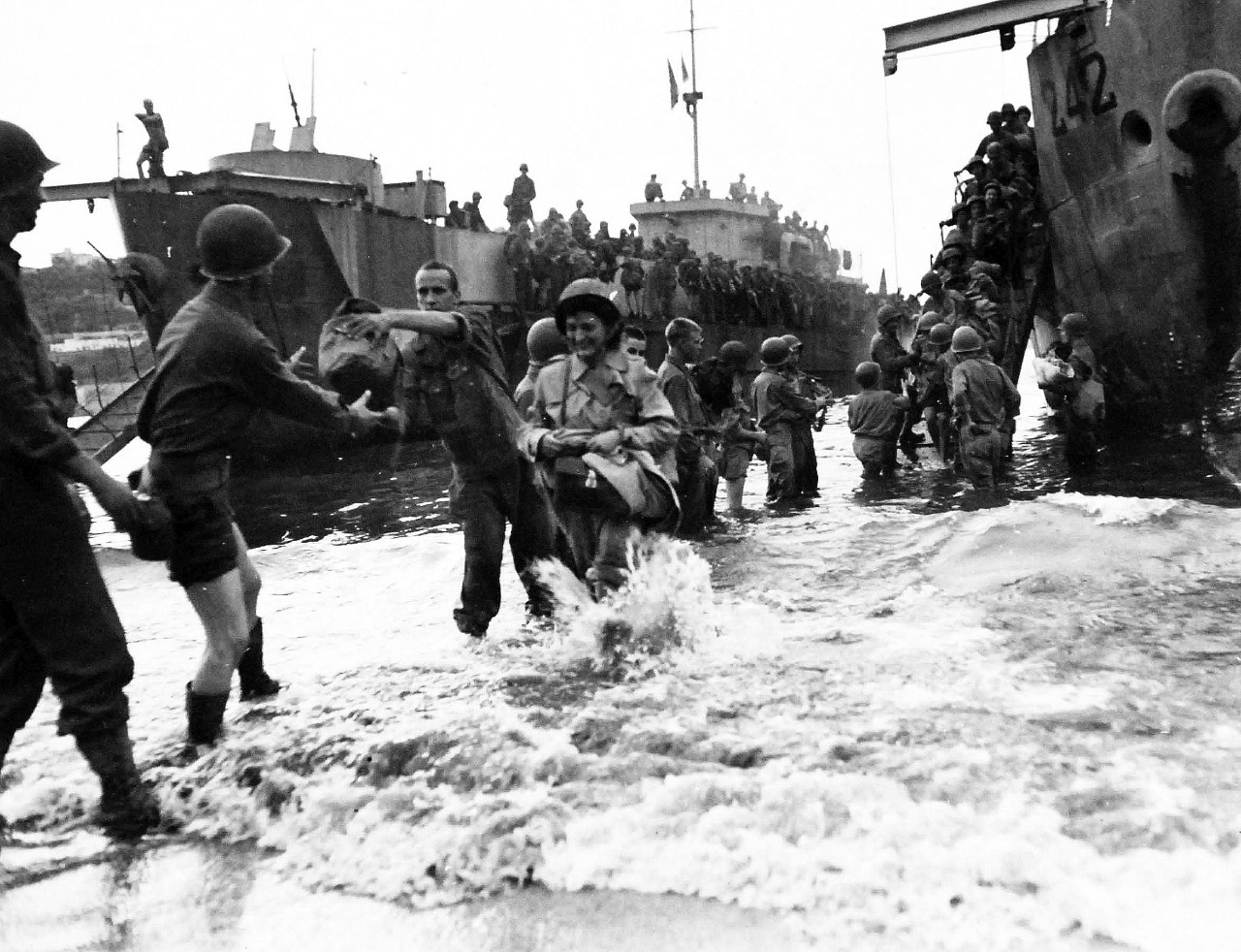
As it happens the book was brought to my attention – as is so often the case with such things – courtesy of the BBC. At the very start of December last year they screened a documentary film entitled “Naples ’44: A Wartime Diary“, the which was – as one might imagine – based upon the book.

The film was in fact made in 2016 by Italian director – Francesco Patierno, himself a Neapolitan – and is a very strange beast in its own right. Patierno was clearly very taken with Lewis’s perceptive and humane memoir of the war years as they affected his birthplace and his screenplay includes extensive selections from the book’s text, narrated by Benedict Cumberbatch.

Patierno assembled an impressive quantity of footage shot in Naples at the end of the war, to which he added dramatised recreations of wartime life and scenes of an actor representing Lewis – who himself died in 2003 – walking through the streets of modern Naples. He also – somewhat controversially – included rather incongruous clips from films such as “The Four Days of Naples“, “Il Re di Poggioreale” and – of all things – “Catch-22“.

To many critics – professional and amateur alike – this somewhat contrived attempt at summoning an atmosphere and creating a mood by means of a collage of no more than tenuously related images and scenes misses the mark dramatically (in all senses!). For me – however – the work had an unexpected resonance – the which I could not at first place. Many of the black and white images in the film reminded me of photos that I had seen as a child in pictorial histories of different elements of the Second World War that my parents had owned.

Then the penny dropped! My father and I had never talked very much about his war-time experiences. I was aware that he had had a ‘good’ war (if such a thing there could possibly be). I believe that he had done his basic training; that they had allowed him to fire a gun once, before rapidly taking it away again (Father’s eyesight and hand/eye co-ordination had been left poor by measles when a child) and that – with his studiousness and banking background – he rapidly found himself working in the military administration, well enough out of harm’s way. He loved languages (and in particular classical ones) and had been eager to travel, so spending much of the later years of the war in southern Italy suited him very well. (He would certainly have loved to have revisited the country subsequently, but never did. My mother did not care to travel and he would not go without her).

So – Father must have been in the region of Naples during the time that Norman Lewis was there and writing his diary. No surprise then that the words and images in Patierno’s odd film struck such a chord.

Now – of course – I must read the book and it is, accordingly, on order from an online bookseller…

Naples ’44 – part 1

I started this post way back before Christmas but found myself sidetracked by other things… one of which was, of course, Christmas itself. I found myself a little reluctant, however, to just let it go – for reasons that will become apparent later. It has thus sat here in very embryonic draft form for nearly two months.

I think that it is time that I put it to bed.

Back at the tail end of the 70s the slim volume illustrated at the top of this piece – “Napoli ’44” – was published by William Collins (and later – in 1983 – as a paperback by Eland Books). It was written by the British travel writer and novelist – Norman Lewis.

Lewis had been a sergeant in the Field Security Service of the British Army Intelligence Core during the Second World War and had kept a diary – the which forms the basis of this book – from September 1943 to October 1944, on his posting to southern Italy following the allied landings there. For much of this period he was based in Naples – hence the title of the book.

As though being part of the British/American administration in the chaotic wake of the invasion and observing the Neapolitans struggling to make their lives work again in the ruins of the heavily bombed and water-less city were not a sufficiently apocalyptic experience already, on the 19th March 1944 Vesuvius erupted in spectacular fashion, shadowing all other concerns with clouds of ash and streams of molten lava. Lewis was sent out by his masters to check on military installations under threat from the lava flows. On arrival (under volcanic bombardment) in San Sebastiano he found that a lava wave was forcing its way relentlessly down the main street, consuming buildings large and small as it went and with the cupola of the church riding on its crest.

I find it difficult enough to imagine what living through such a traumatic and disorientating period must have been like without the volcano, but the point at which Mother Nature ran out her cannons and added her own destructive power to the show must truly have convinced some that the end of days was at hand.

Lewis’s account has been much praised over the years and is all the more remarkable for not having been written for nearly three and a half decades after the events that it memorialises.

Now – I must admit at this point that I have not actually read the book (nor indeed have I found a copy – shame on me!) – and the gentle reader may thus at this point be chafing at the bit somewhat. Patience – patience – and I will explain just how and why I come to be writing about it.

That needs must, however, await the second part of this post…

Sixty six

“If you ever plan to motor west,
Travel my way, take the highway that is best.
Get your kicks on route sixty-six.
It winds from Chicago to LA,
More than two thousand miles all the way.
Get your kicks on route sixty-six”.

Route 66 – Bobby Troup

Sixty six is:

…when you want to subtly tell someone to look behind themselves, you tell them to check their 6 o’clock. When you’re trying to tell someone to look at someone behind someone behind them, you say – “Check your sixty-six“.

Bro, check your sixty-six.” (he looks behind himself)
Meh, I’m not into blondes.”
I said sixty-six. The girl behind the blonde is a redhead.”

The Urban Dictionary

Sixty-six (or Schnapsen) is:

…a fast 5- or 6-card point-trick game of the marriage type for 2–4 players, played with 20 or 24 cards. First recorded in 1718 under the name Mariagen-Spiel, it is the national card game of Austria and also popular in Germany and Hungary.

Sixty six is:

…for Bingo – “Clickety click – sixty six!”.

Sixty six is:

…the date of a celebrated (and extremely rare!) English footie World Cup win back in the day. You know – “Two world wars… etc, etc!.

Sixty six is:

… a Fender guitar. The Sixty-Six, so named for the birth year of the Jazz Bass and its six strings, fits perfectly in the Alternate Reality Series, which aims to dive into Fender’s tradition of interesting body styles and tonal configurations and create uniquely compelling instruments.

Sixty six is:

…an Angel Number that carries a message from our angels about abundance, optimism, and creativity.

Sixty six is:

one more than 65 in number!


…and of course – as of a few days ago – my new age!