web analytics

Flying the flag

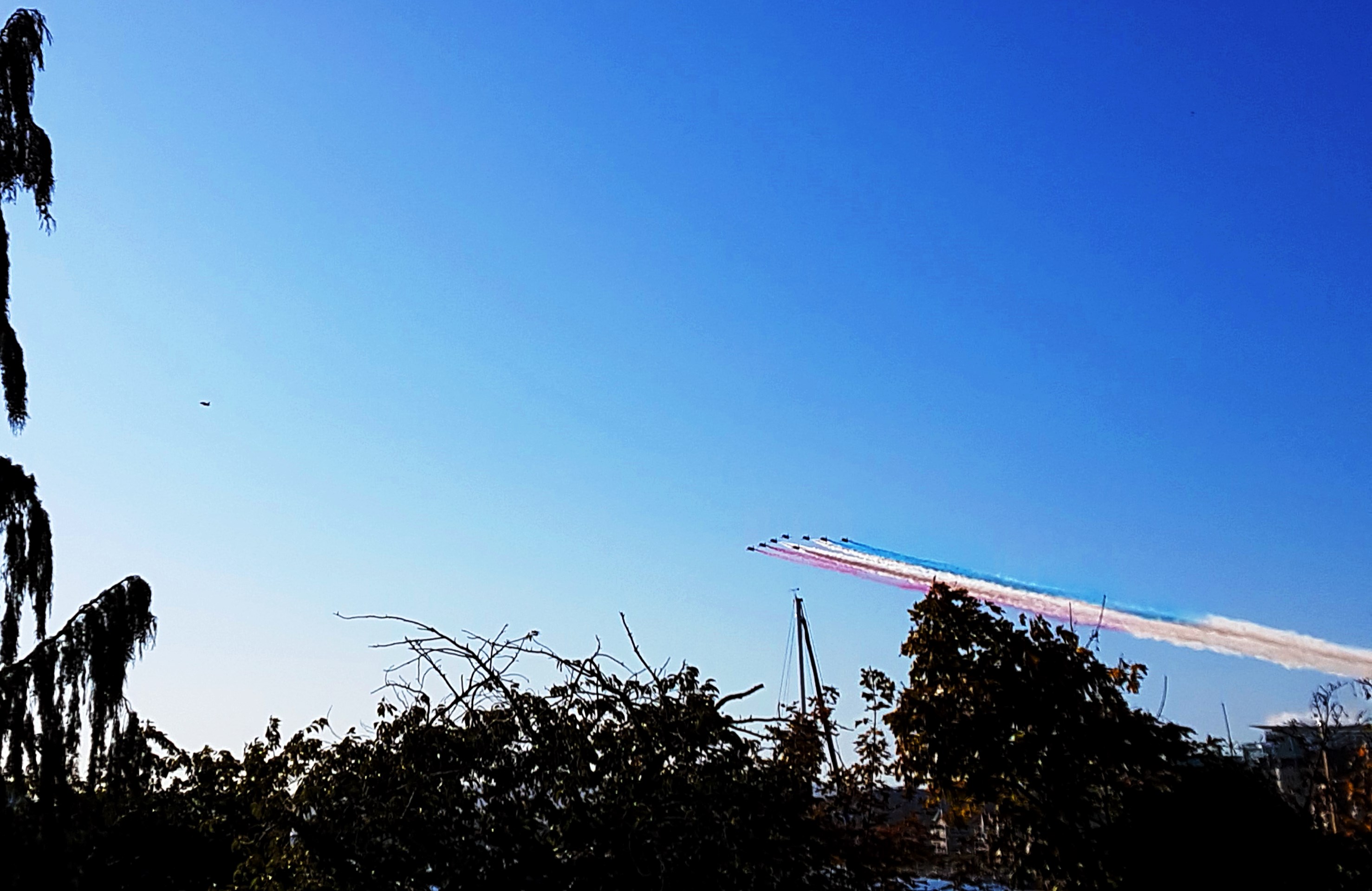
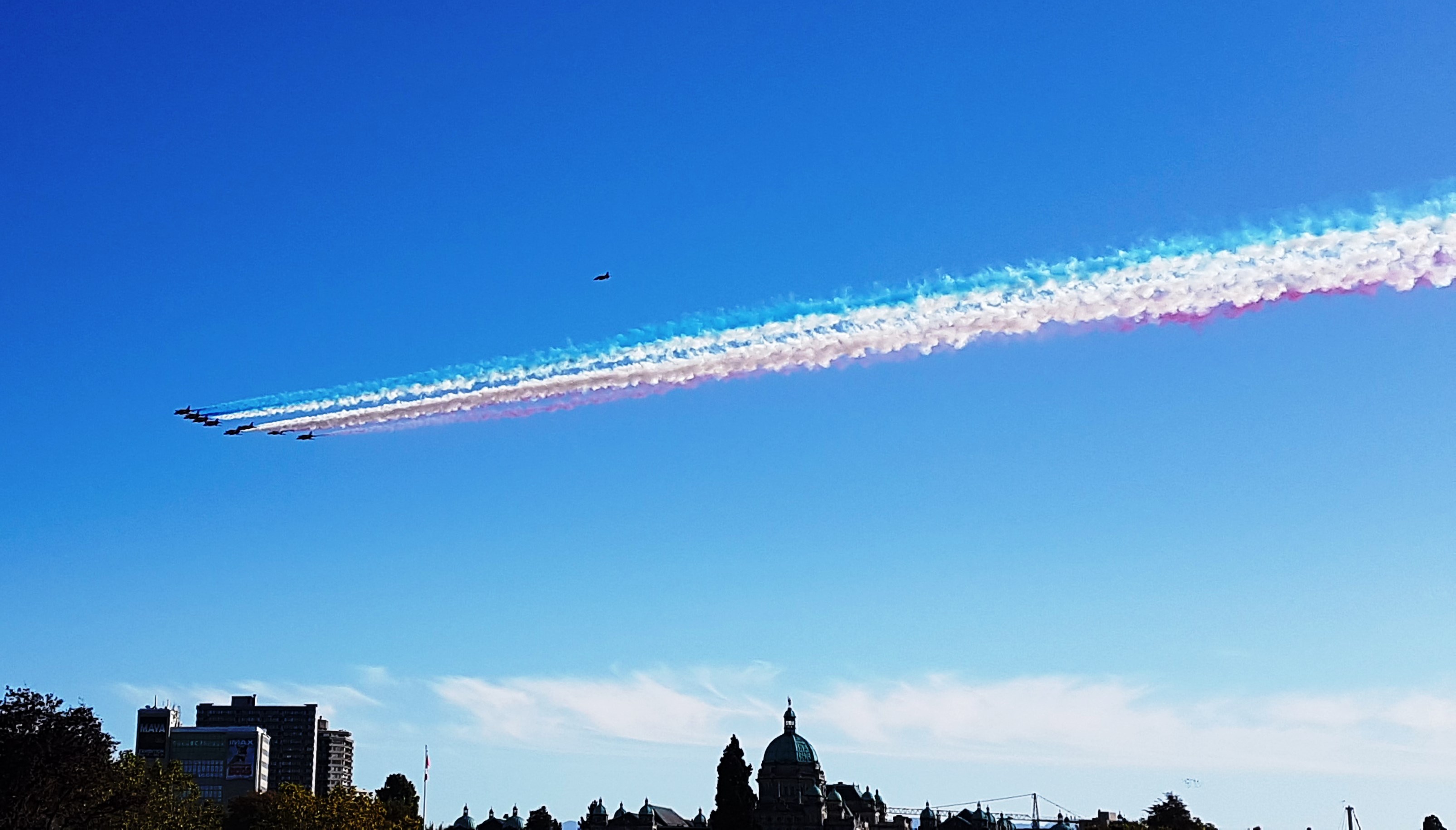
Photo by Andy Dawson ReidWe had unexpected guests in Victoria yesterday.

The Red Arrows – the RAF’s display team – have been on an eleven week tour of north America. The trip included only two excursions north of the border, so yesterday’s brief appearance in British Columbia was all the more welcome.

Whilst not performing a full aerobatic display the team were scheduled to perform a number of passes yesterday over Vancouver as well as making a two day ground visit.

As a precursor to the Vancouver flypast the Red Arrows carried out a single pass over Victoria’s Inner Harbour and Parliament Building. Given that it can take them only about five minutes to get from Victoria to Vancouver there is no doubt that they were well into the second part of their jaunt whilst those watching in Victoria were still wondering if they were coming back.

Indeed, the brief nature of the event would in normal circumstances have put us off driving the twelve miles or so into the city. Yesterday, however, we had an engagement downtown anyway, so we went a little early and found a spot by the Inner Harbour to watch the spectacle.

I have seen TV coverage of the Red Arrows many times on a variety of ceremonial occasions but never actually encountered them in the flesh – so to speak. I don’t know quite what I was expecting but I was taken completely by surprise by a sudden involuntary lump in the throat as they soared over the city, trailing the red, white and blue plumes for which they are well known. Those who have had similar experiences will be very aware of the power and efficacy of this strangely arcane form of ritual.

Some might think that such displays are out of place in this troubled and restless new world. I am an old fart, however, and I say long may such spectacles continue.

Photo by Andy Dawson Reid

The final frontier

“Space is big. The whole point of the frontier is that we go there to do new things in new places – not one place, and not one thing, but all of the above.”

Rick Tumlinson

It is very nearly four years since we acquired our lovely home on the Saanich peninsula.

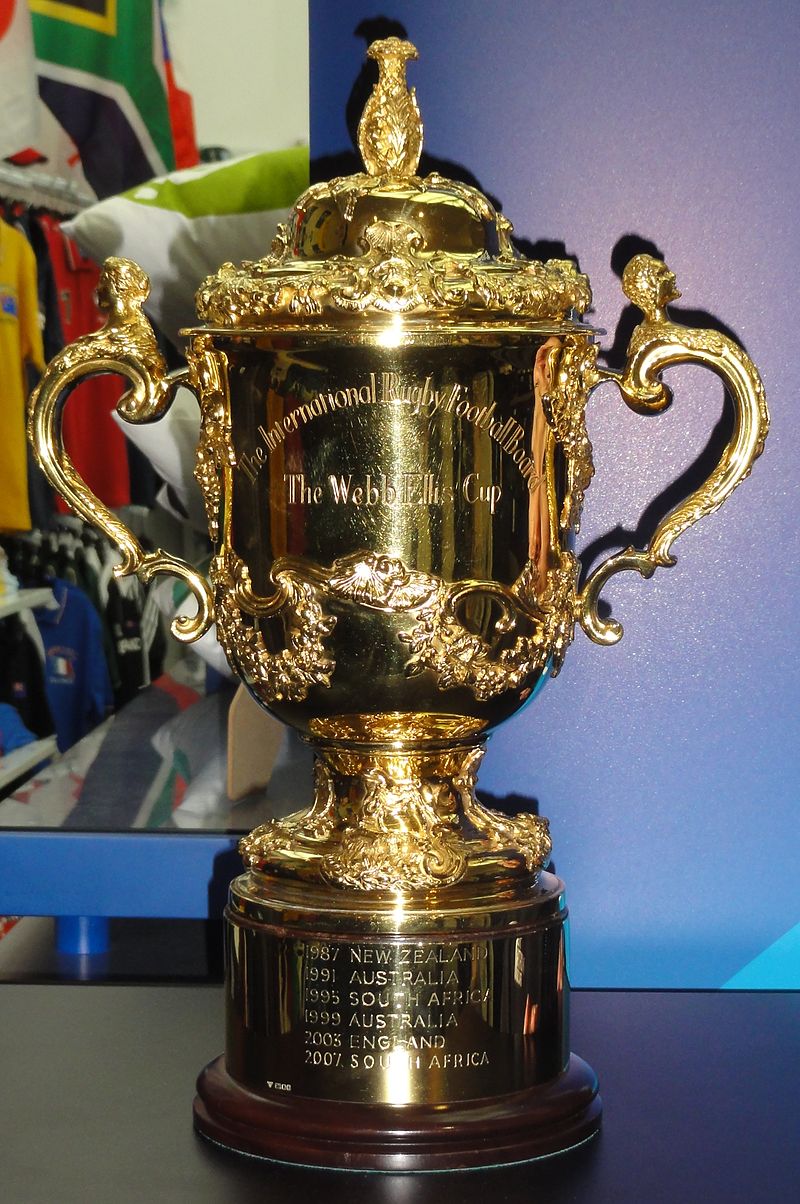
I have – as it happens – good reason to recall that moment in time precisely. The day that we moved in to our new residence – the day after all of our worldly possessions were delivered by our carrier – I arrived early in the morning because I wanted to watch on the TV one of Scotland’s final pool matches in the 2015 Rugby World Cup, the which was taking place back in England (the reason for the early start times on the west coast of Canada).

Now here we are – four years on – and the 2019 Rugby World Cup is just about to start in Japan.

This post is not, however, about rugby.

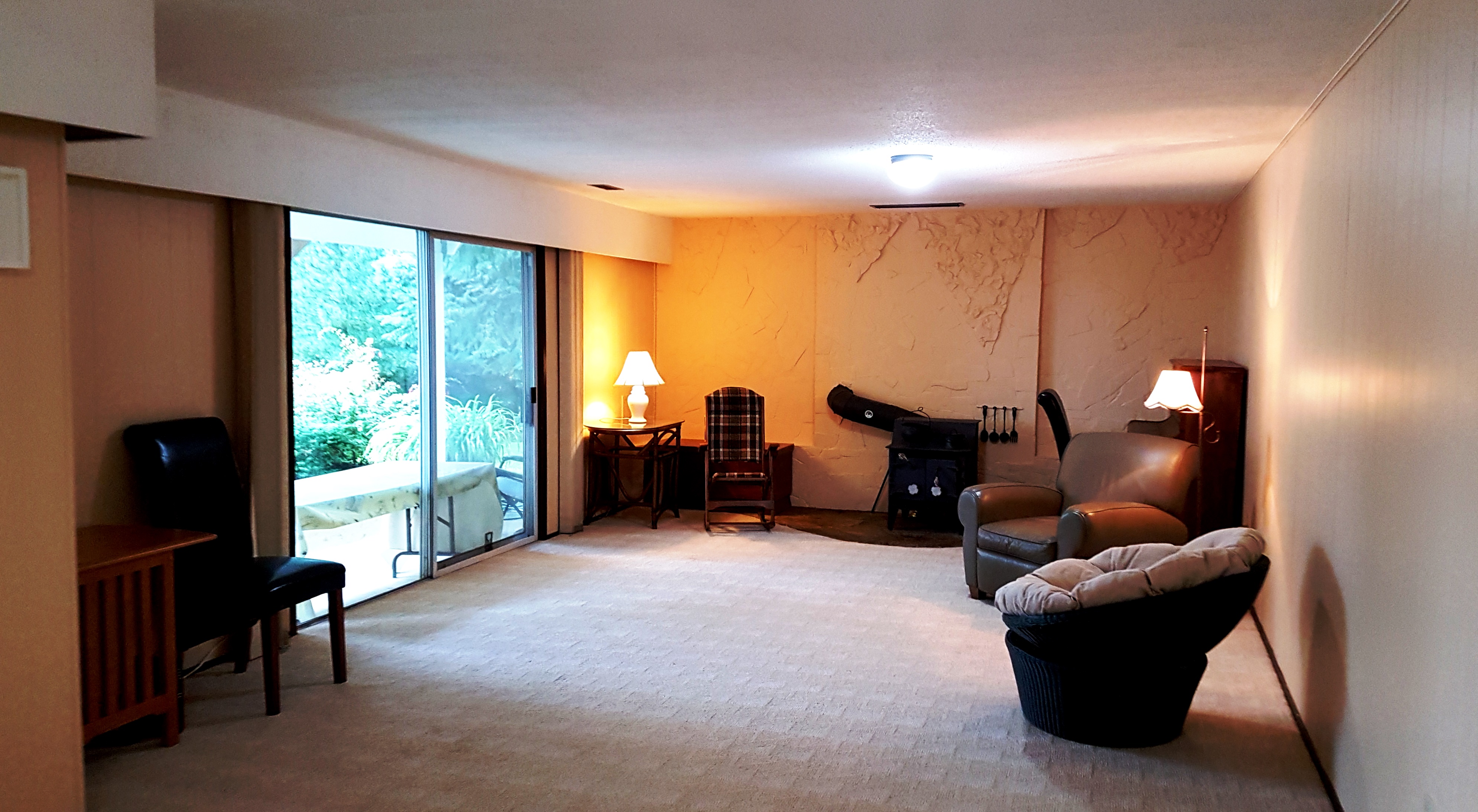
I made reference in a recent post to the fact that we have been re-decorating our downstairs ‘family’ room. This work was actually started by a dear friend whilst we were away in Europe earlier in the year, but she and I finished it off together over the summer. We then had the carpets cleaned before reorganising all of our downstairs spaces ready for our recent guests (also trailed in the above mentioned post).

Why is all this significant – and why ‘final’?

Well – this past four years has seen a great deal of action on the home front – as regular readers of these meanderings (should such there be) will be aware. There have been legal battles to be fought – monies to be scrimped and saved – new decks to be built – extensive renovations of the main living spaces to be wrought and all manner of other nipping and tucking besides.

On our arrival here four years ago the downstairs ‘family’ room was immediately pressed into service as a repository for goods and chattels from our transatlantic move for which we did not at that point have a home elsewhere. It then became a temporary studio before subsequently being turned into a furniture store and living space when we moved everything downstairs for the four months during which we handed over the whole of the main floor to our contractor. It then reverted to being a dumping ground and part-time workshop… until earlier this year.

Now – finally – four years after our arrival here – the last remaining unallocated space in our home has been turned into a proper functioning room.

Job done! Yaaaaaay!!


Time management

“I am definitely going to take a course on time management… just as soon as I can work it into my schedule.”

Louis E. Boone

As I start a new term (my fourth) in a new academic year with a new group of eager(?) young (mostly) students I am made aware that the honeymoon period for this particular post-secondary lecturer is over…

…in timetable terms at least!

If I am more honest I should really admit that – as a term-contracted semi-retired part-timer – I am rightly considered the lowest of the low when it comes to the allocation of teaching slots.

I teach one course – two days a week. On each of those days I lecture for sixty or ninety minutes and run a lab session for ninety minutes. I am also obliged to spend a couple of hours a week in my (shared) office so as to be readily available to students. The rest I can do from home. Until now I have been fortunate with regard to timetabling. None of my starts has been early and on each of my teaching days the lab sessions have followed hard on the heels of the classroom lectures.

Not so this term. I teach on Mondays and Wednesdays – at 8:30 am!

Now – I really can’t pretend that the early start is an issue. It takes me about half an hour to get to the college – even in the morning ‘rush’ – and let’s face it, compared to to my pre-retirement commute this is a complete doddle.

My issue is that on both of my teaching days the lab sessions are scheduled in the mid-afternoon – at 2:00 pm and 3:30 pm respectively. This means a gap of four and six hours on those days during which I am somewhat stuck. A couple of hours are used up as office time and of course I do have preparation and marking, but I find both of those easier to do in the comfort of my studio at home.

If I lived close to the college I would simply go home in between lectures and labs. Indeed, that is what I will doubtless be doing for the longer of the gaps on Wednesdays – but that does mean wasting another hour a week in the car and the Lexus (which I love to bits) is not the most frugal of beasts…

I simply have to remind myself that this is very much a first-world problem and to get on with it. It is, after all, only for fourteen weeks… well – twelve now!

As you were…

Technology? Bah!

So…

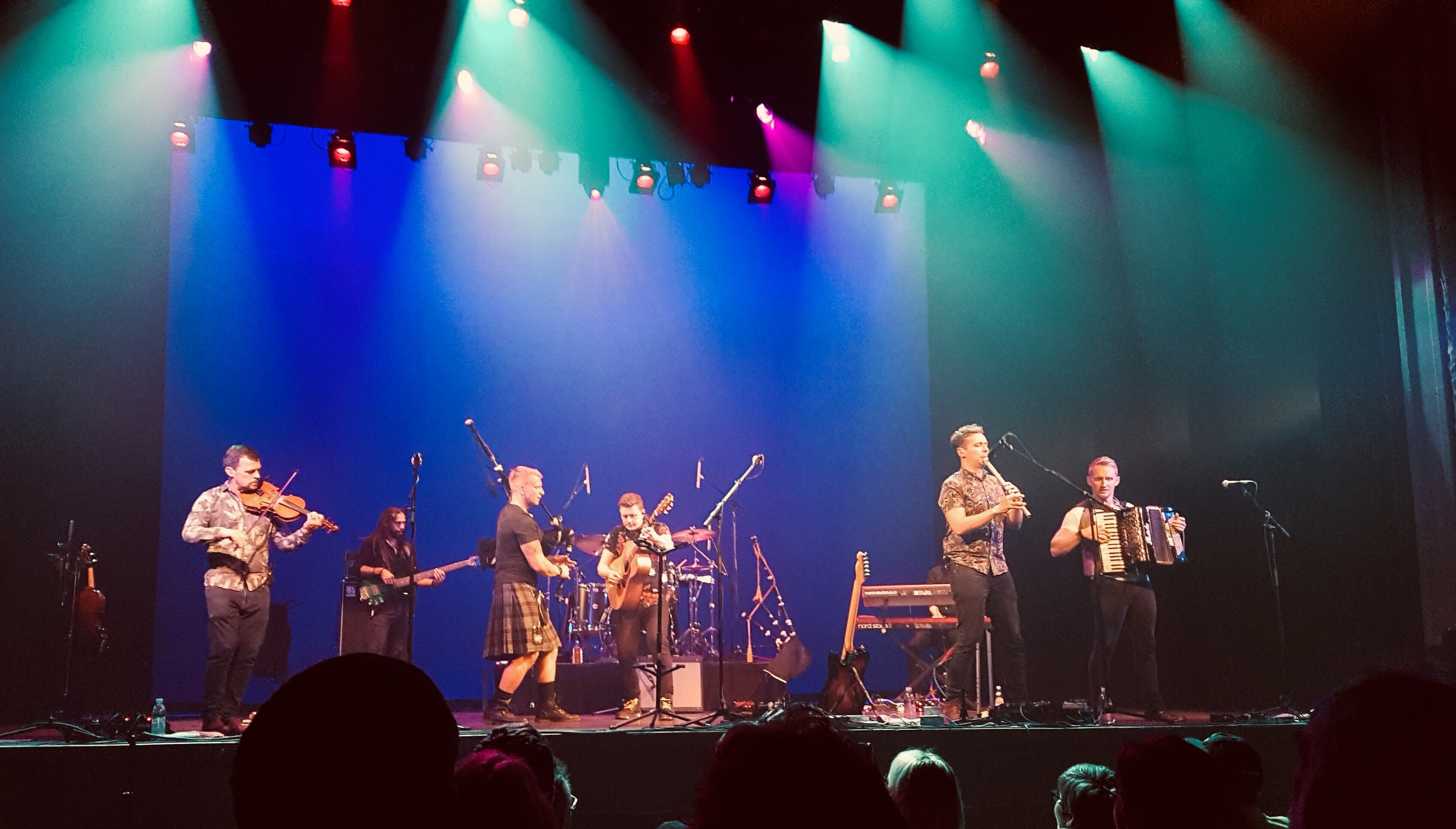
Yesterday I posted an item enthusing about Vancouver band – ‘The Fugitives‘ – who we saw live last week at Brentwood Bay.

I included in my post a link to a YouTube clip of a live performance of the band’s excellent track – ‘No Words‘ – with a strong recommendation to the gentle reader to view same. I also included a link to the band’s website.

Both of these links were automatically rendered in a satisfactory manner on the blog itself – the latter as a hyperlink and the former – rather pleasingly – as an embedded YouTube clip.

Rather elegant I thought…

However – for those who read these posts by email digest – whereas the hyperlink appeared in its usual manner the YouTube clip simply did not feature at all, rendering my reference thereto particularly pointless.

My apologies to email readers. If you follow this link you will find the video to which I referred.

Second time lucky!

And finally…

It has taken a good seven weeks since we returned from Europe to reach my last missive on the subject of our jaunt to the UK and to the Greek islands. In part this is because our experience over there was so varied and so rich (and I found I had taken so many photographs that I wanted to share) that it has taken this long to get all of my thoughts and all of the images organised for presentation. I hope that this extended rumination on our adventures has not too badly outstayed its welcome.

Anyway…

When in Athens…

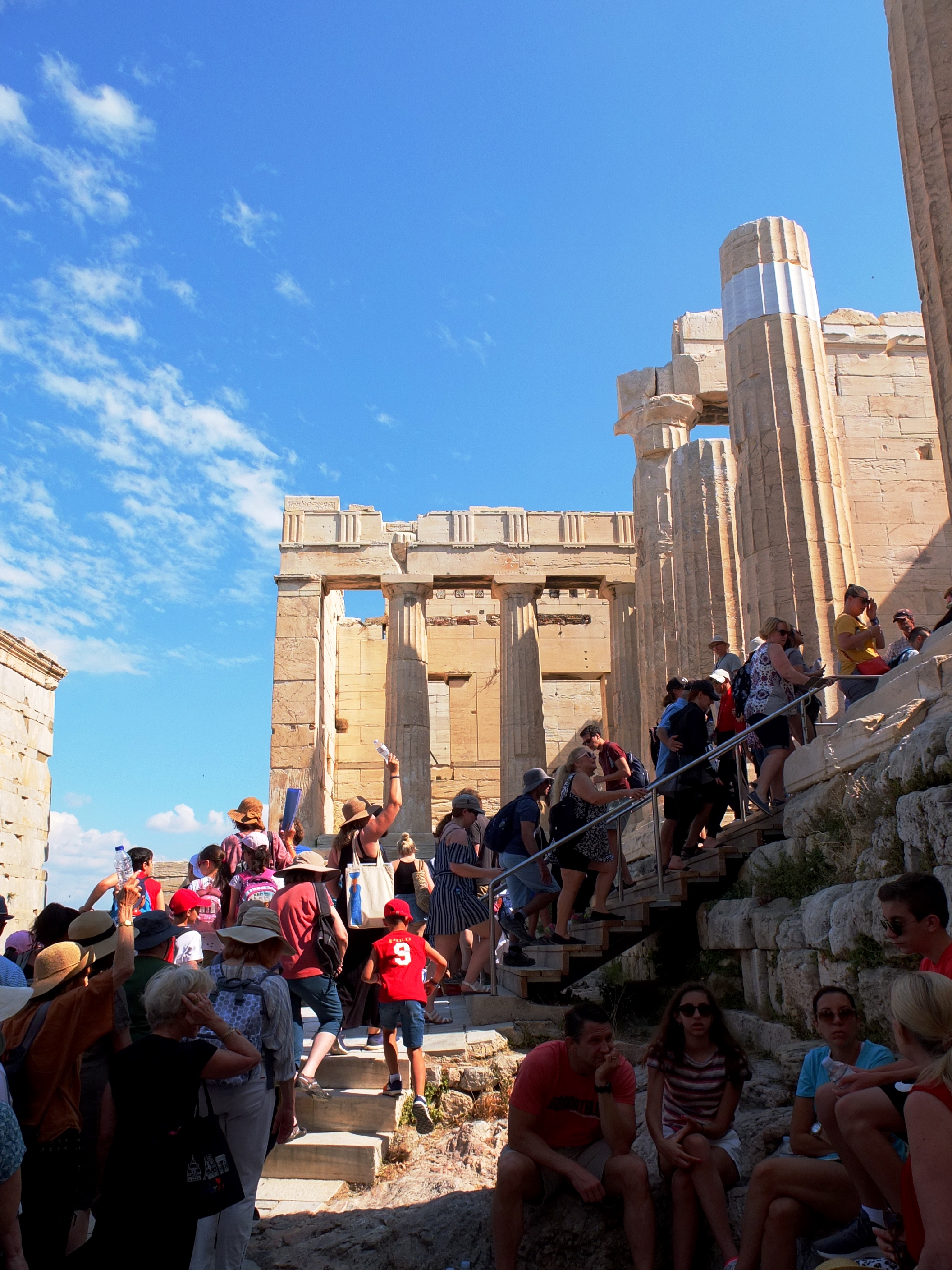
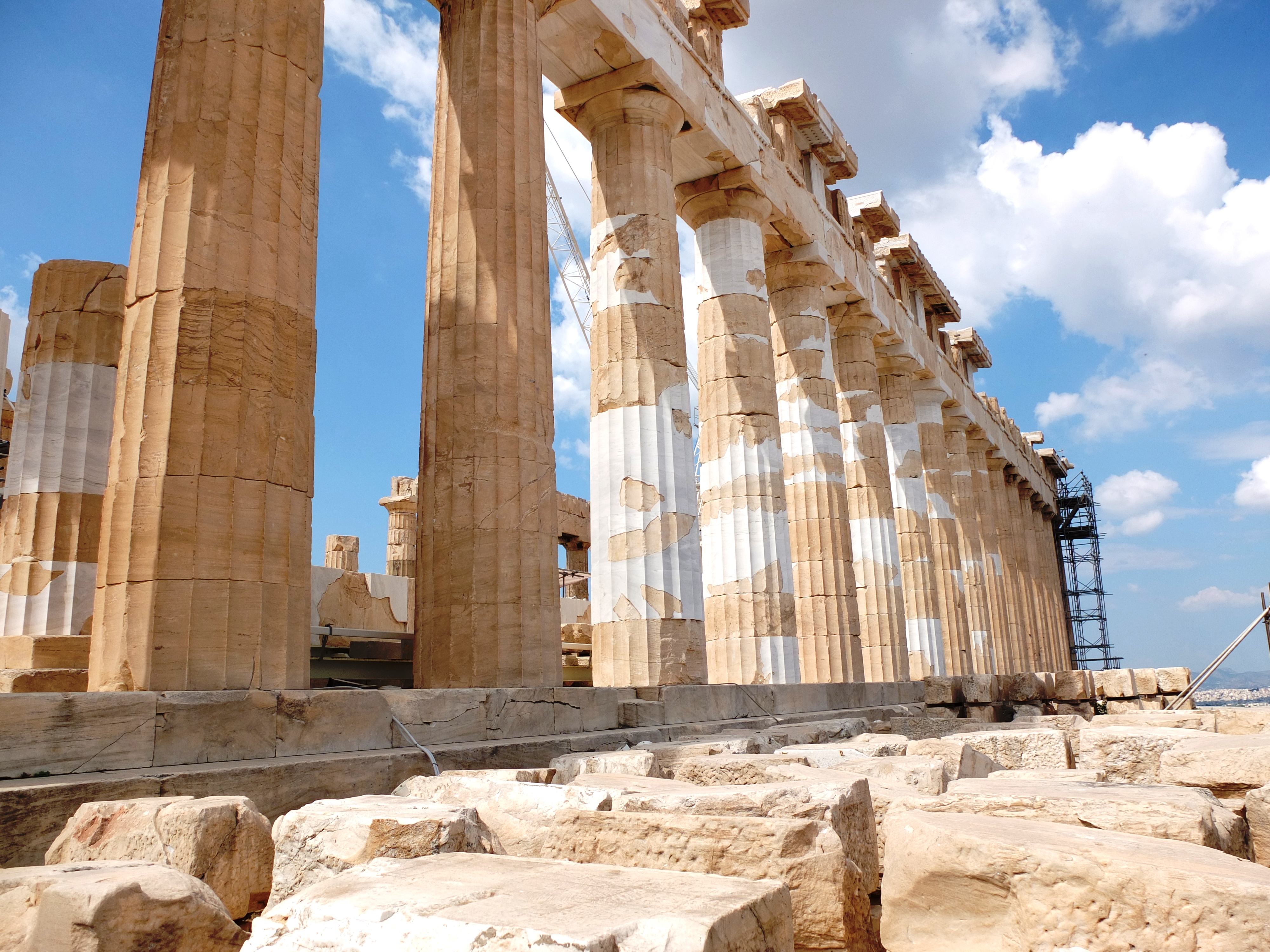
Photo by Andy Dawson Reid …one must visit the Acropolis and see the Parthenon (along with much of the other antiquity on offer in the city). We hired a young archeologist to act as a guide and set forth under the blazing sun. Photographs were very much in order. Here are the barbarian hordes, storming the Propylaea.

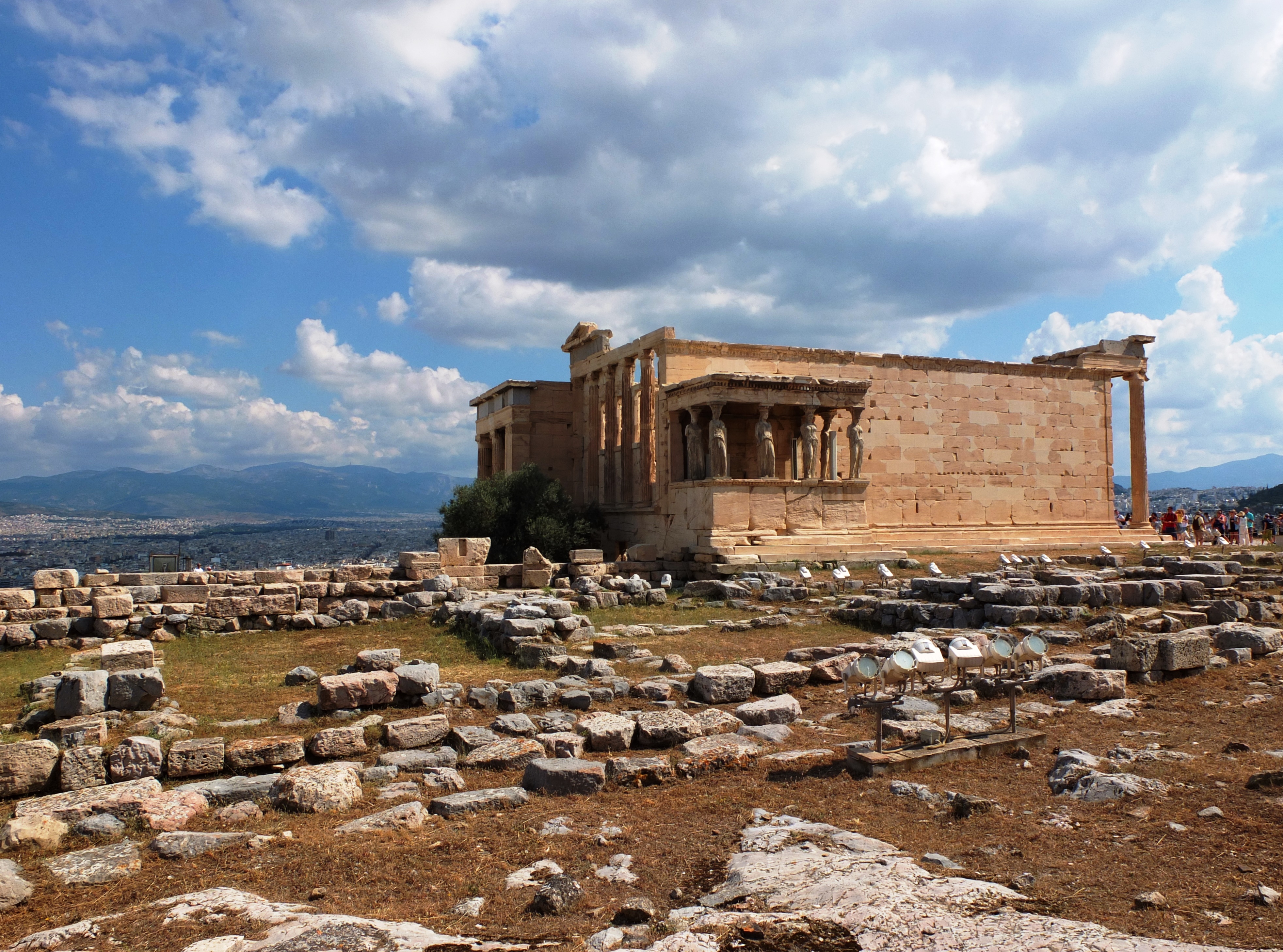
Photo by Andy Dawson Reid The Acropolis hill hosts a number of major structures in addition to the Parthenon itself. This is the Erechtheion with its famous porch of Caryatids.

Photo by Andy Dawson Reid It is no surprise that the monument is under continual – and, nowadays, sympathetic – restoration. There are strict limits on how much non-original material is permitted in the rebuilding and the use of different shades of stone enables the casual visitor to understand what is reproduction and what is not.

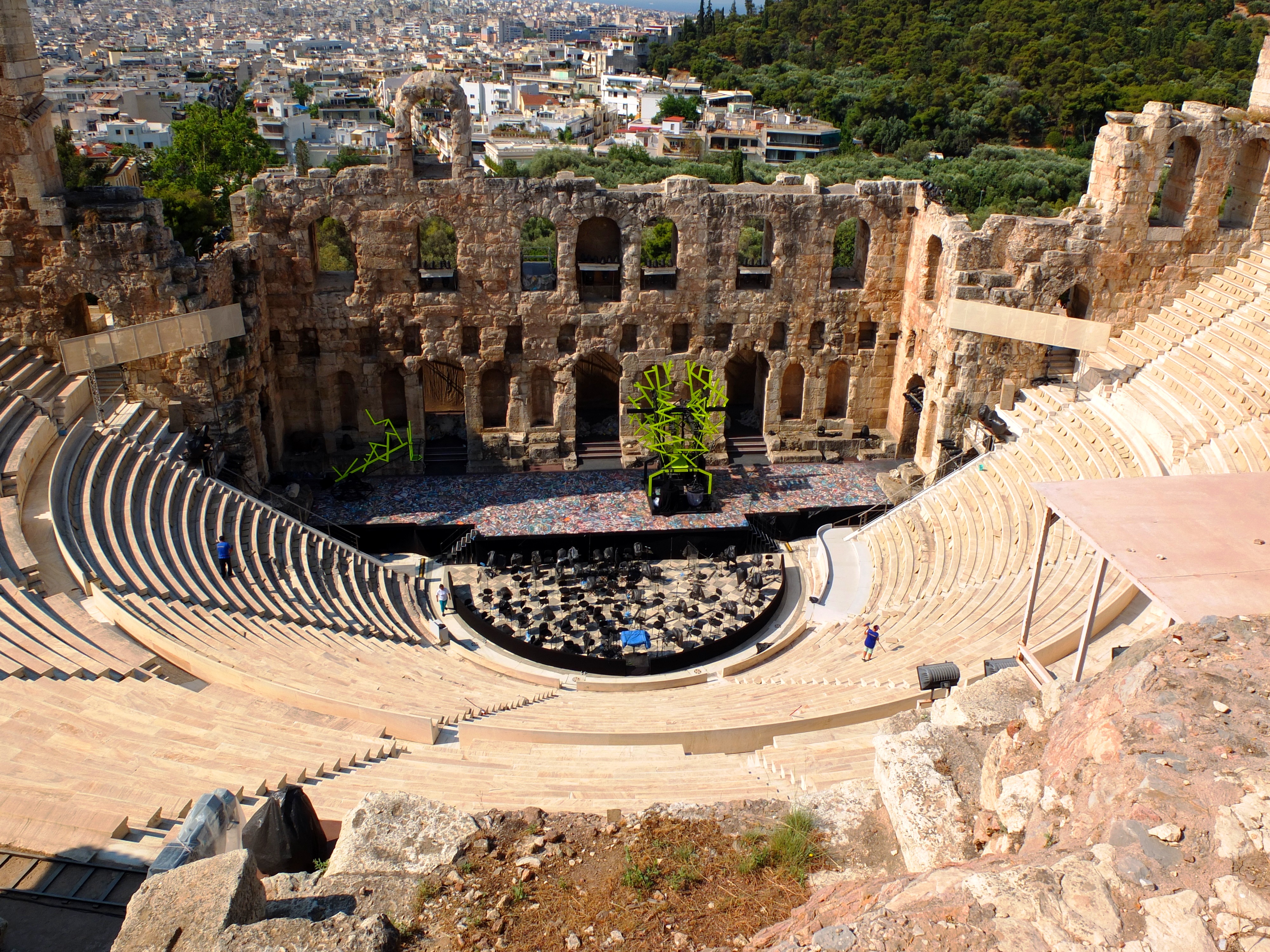
Photo by Andy Dawson Reid Photo by Andy Dawson Reid The site also encompasses the Odeon of Herodes Atticus…

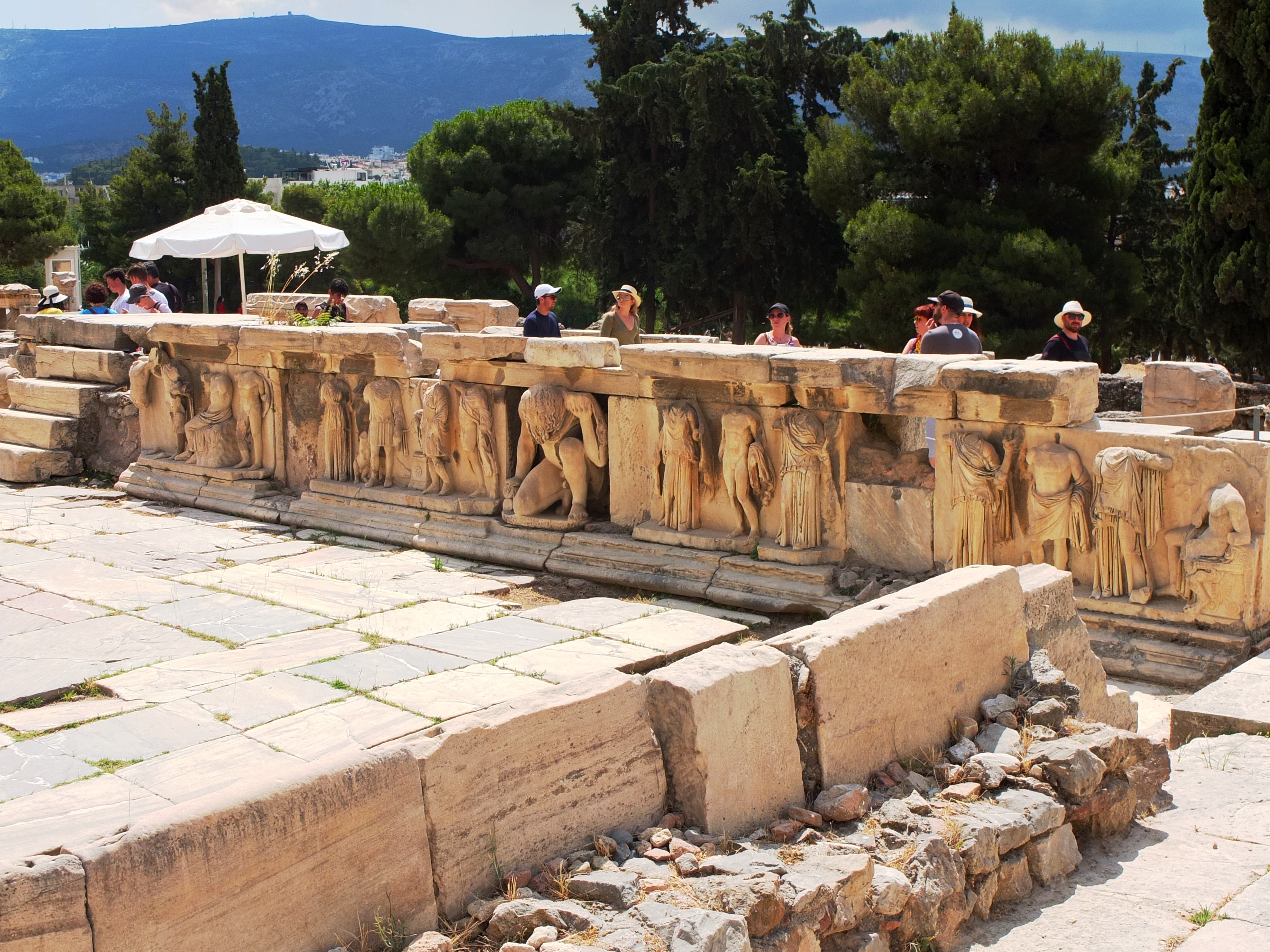
Photo by Andy Dawson Reid …which is still used for opera and concert performances – and the Theatre of Dionysus Eleuthereus, which is not.

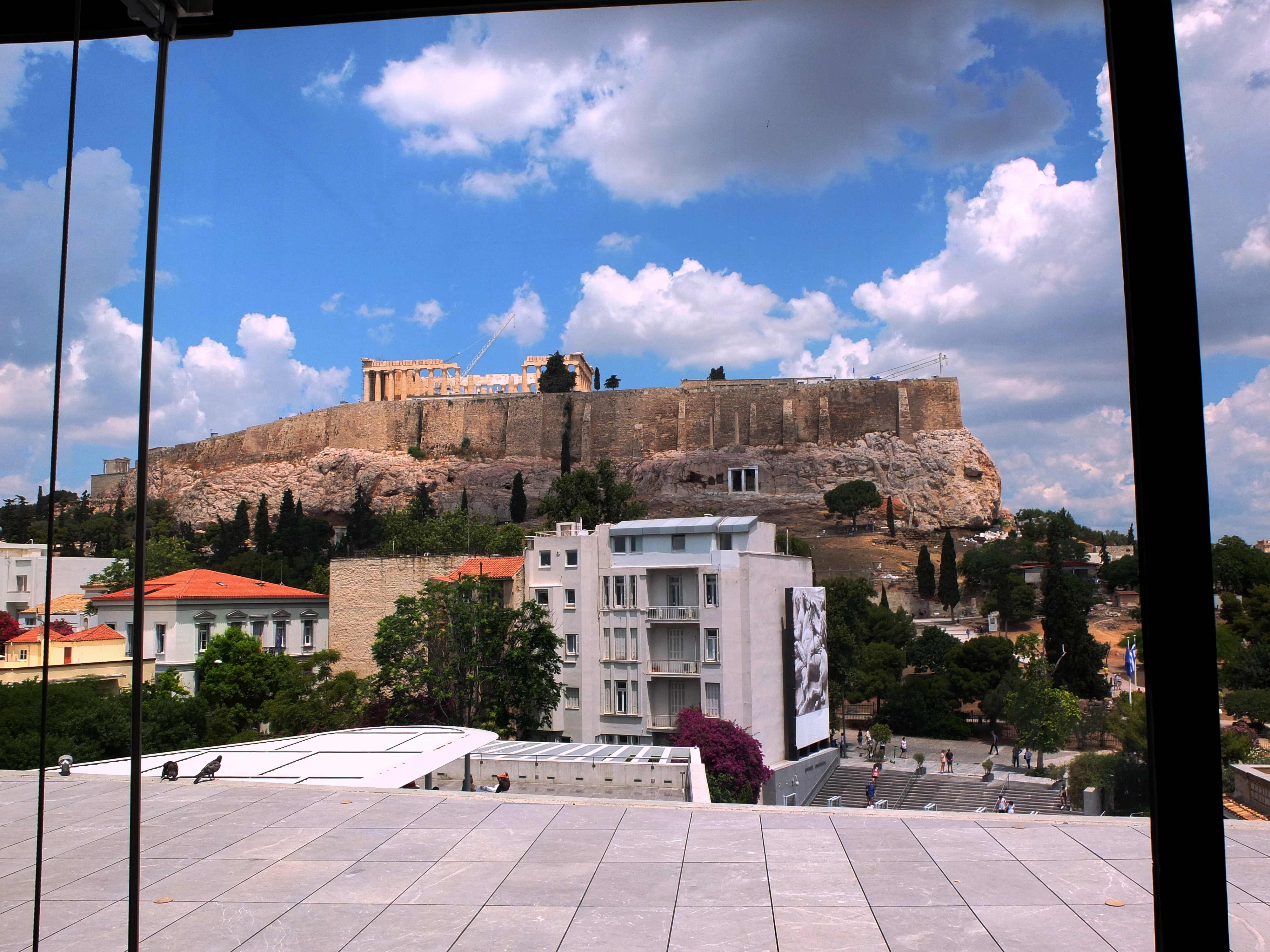
Photo by Andy Dawson Reid The new (a mere ten years old this year) Acropolis museum lies outside the historical site itself, but has been constructed parallel to the Parthenon and with an interior core that is identical in size to the temple. Extensive use of reflective glass allows the Acropolis hill to be reflected on the outside of the museum, with sweeping panoramic views of the hill from the inside.

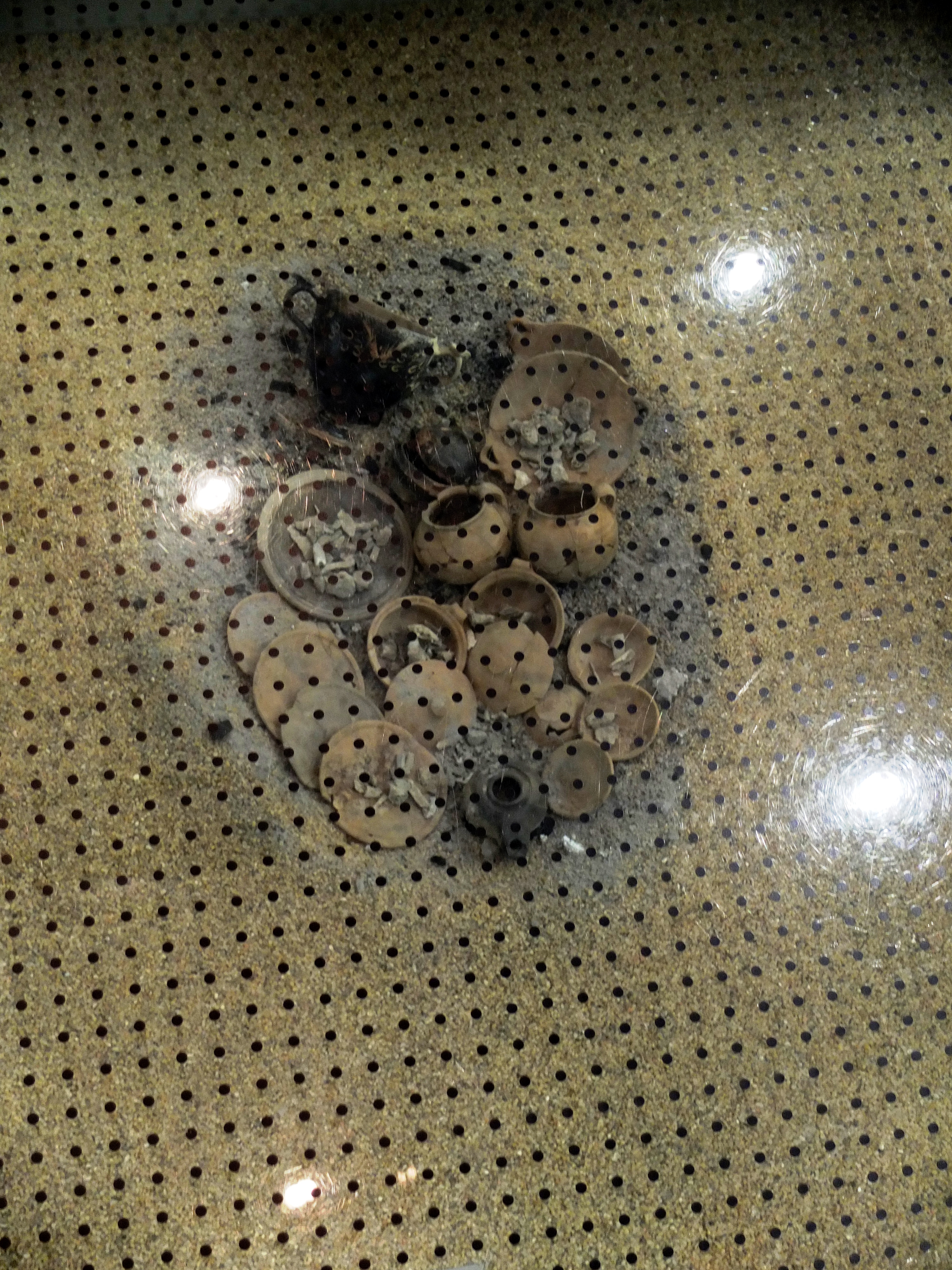
Photo by Andy Dawson Reid The museum site is itself of archeological interest and the building effectively sits on stilts above the ground, whilst glass floors and subtle lighting enable the visitor to view the excavations below.

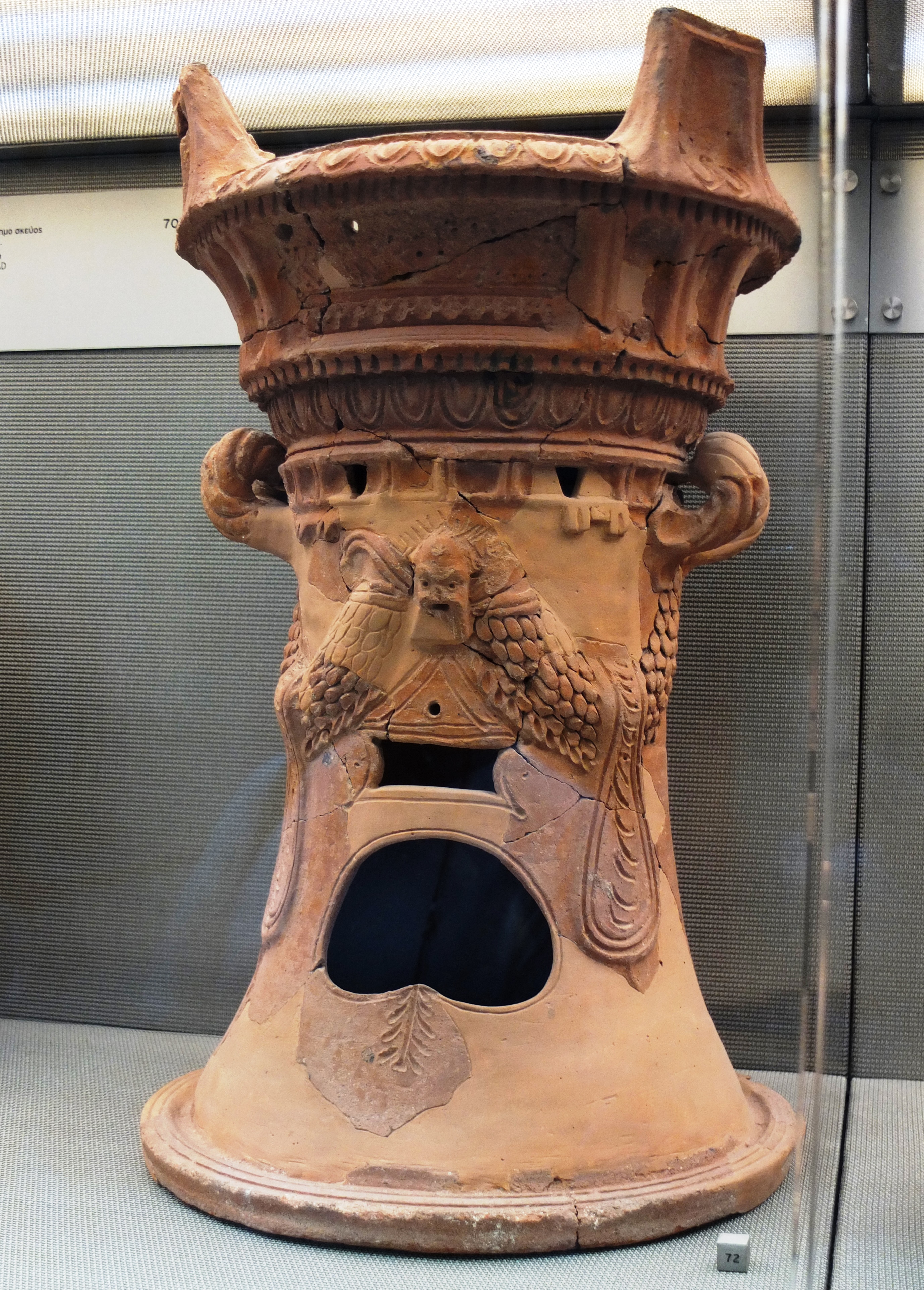
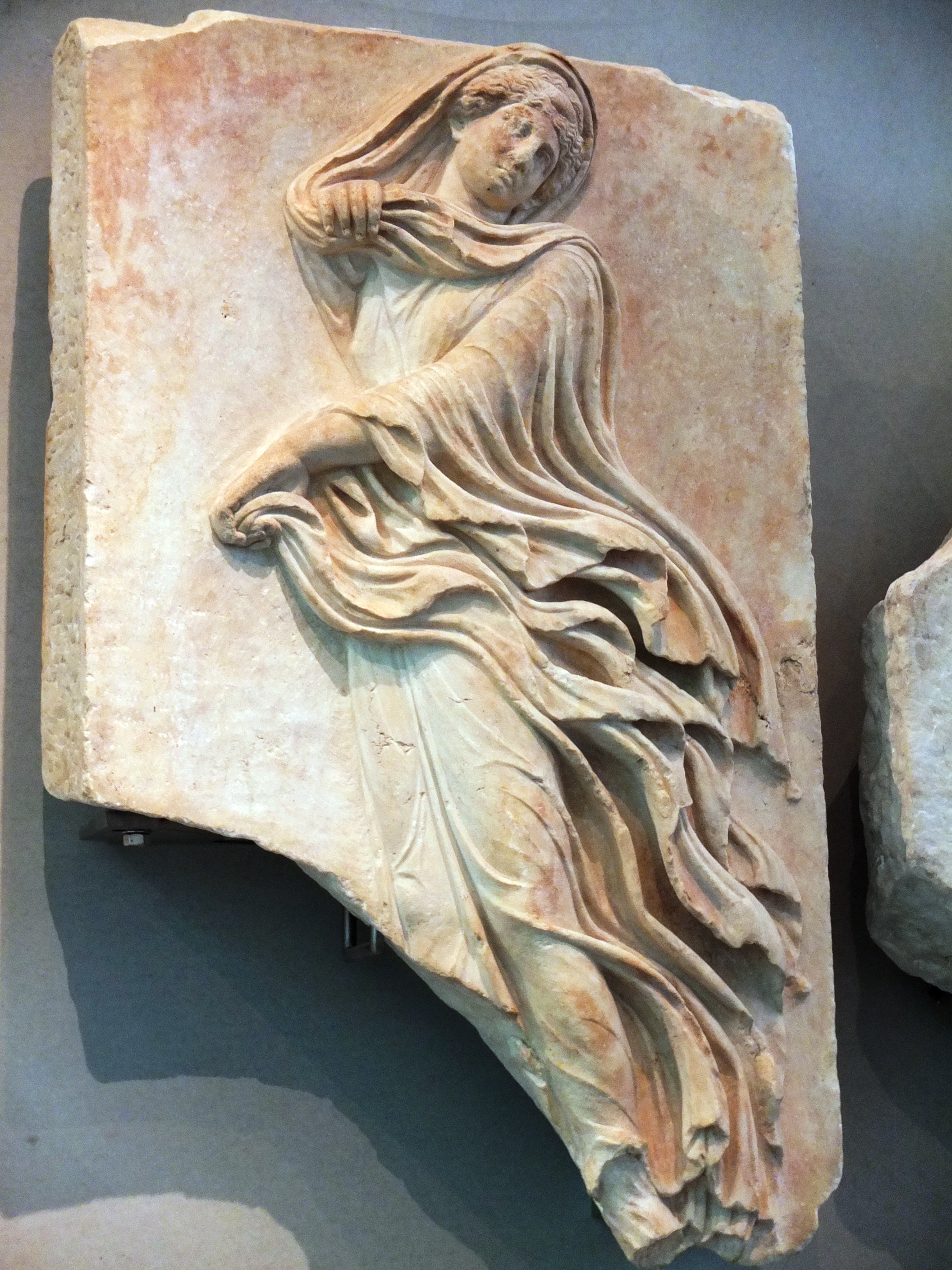
Photo by Andy Dawson Reid The museum houses many of the precious artifacts recovered from the Acropolis site itself.

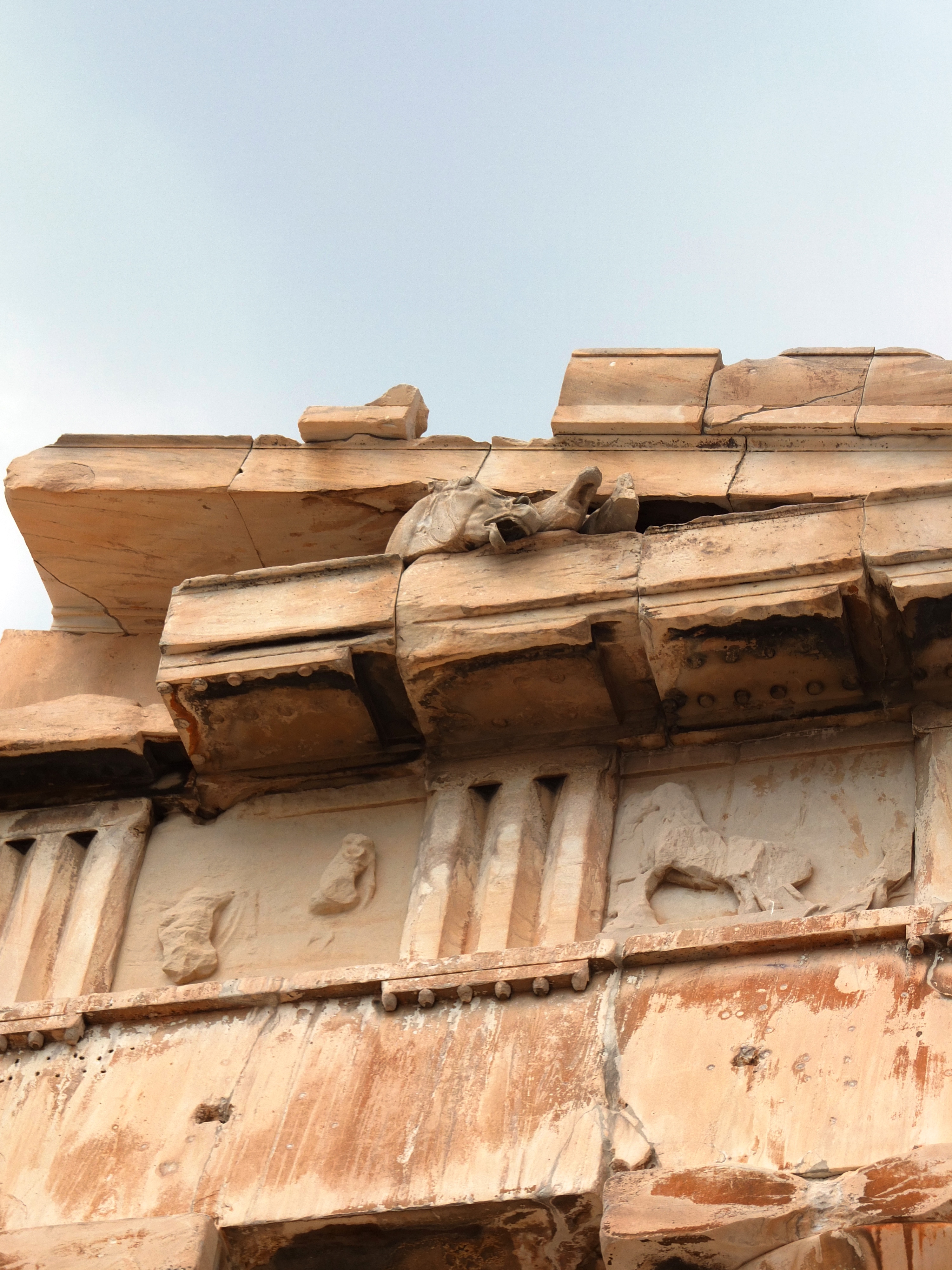
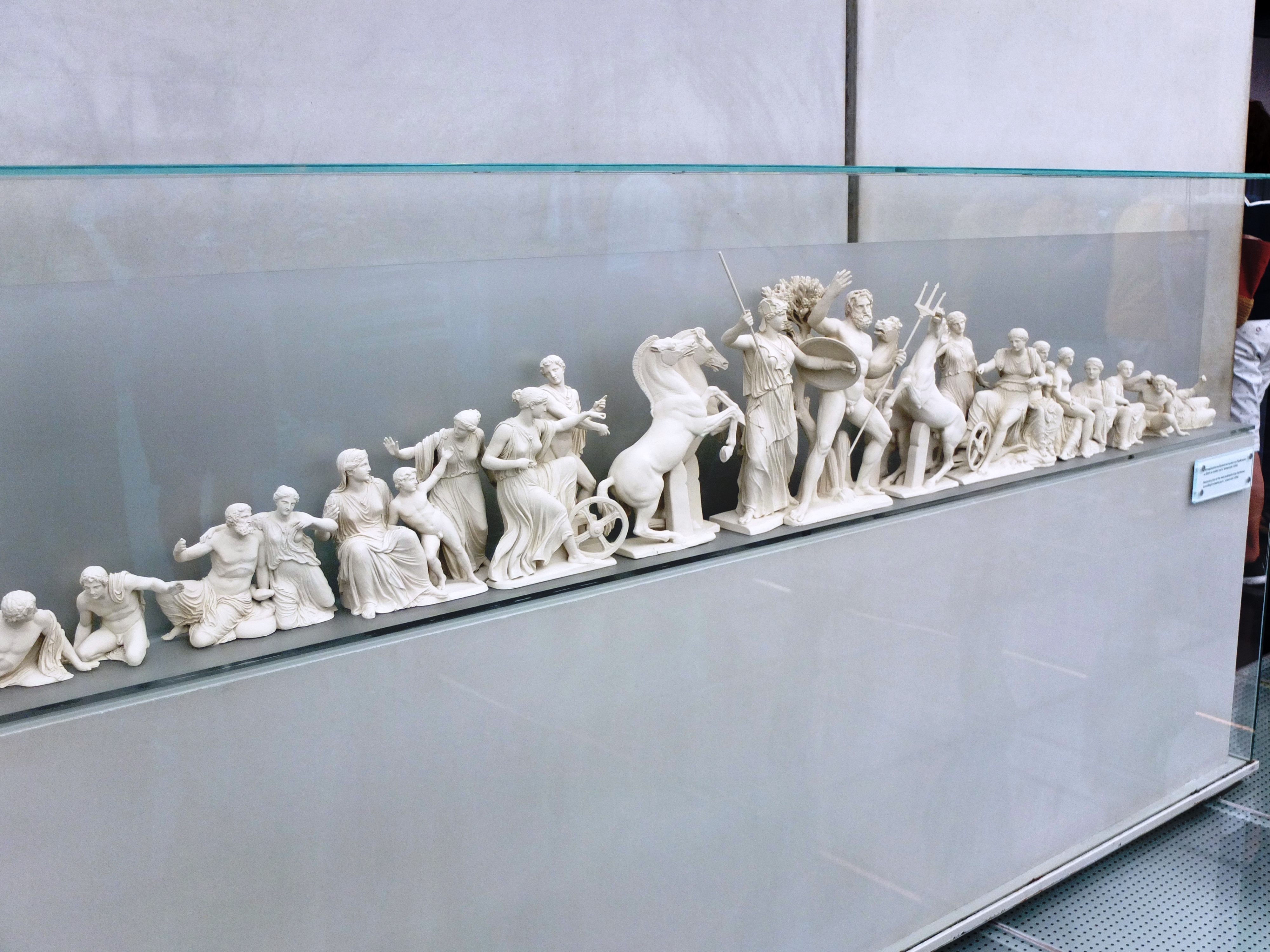
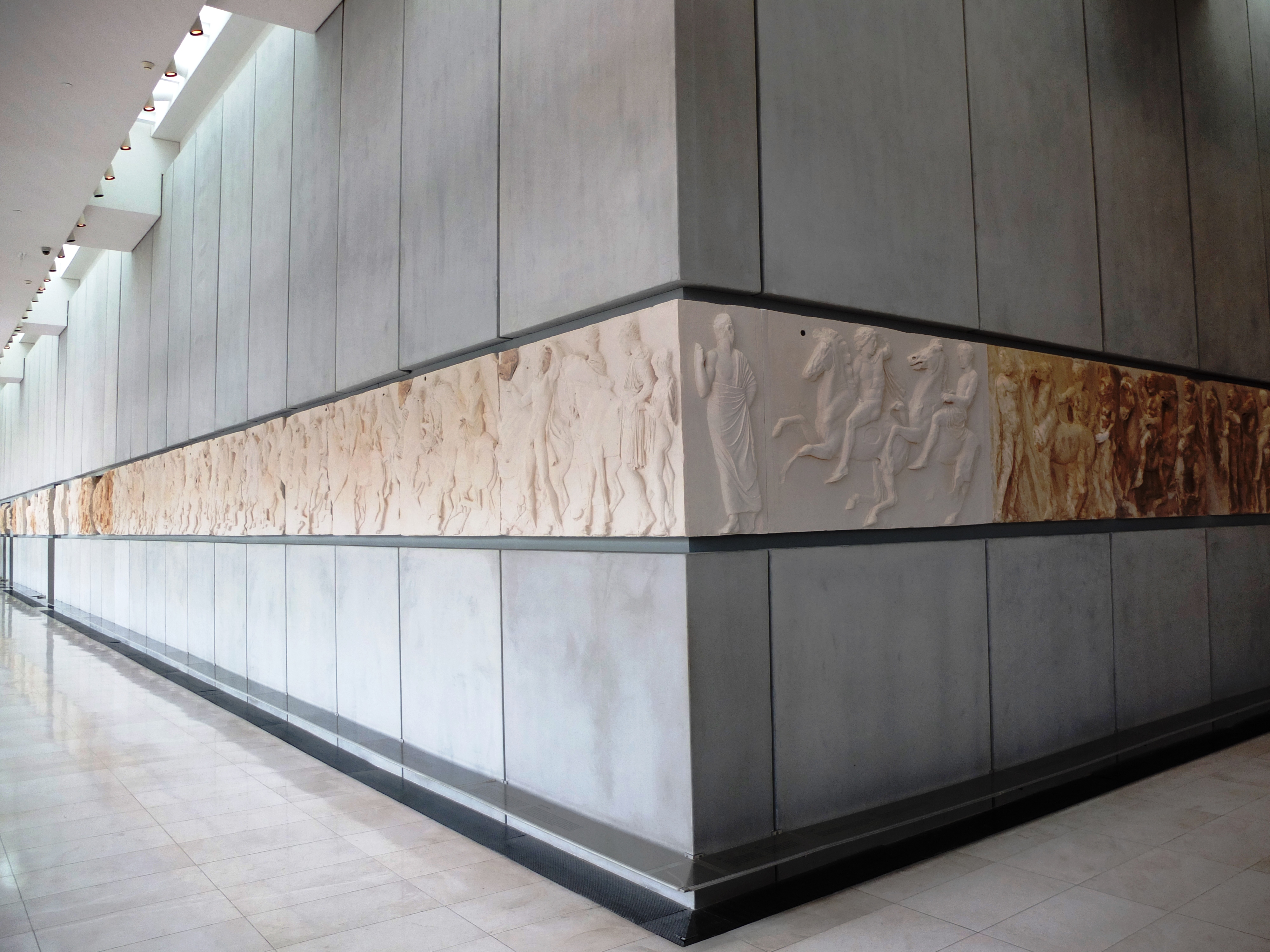
Photo by Andy Dawson Reid Photo by Andy Dawson Reid Photo by Andy Dawson Reid One of the most affecting displays is the recreation at the top of the building of the frieze that once surrounded the top of the Parthenon. This extraordinary work comprises a mixture of original carvings and new stonework reproductions. These are clearly delineated so that one can gauge how much (or little) of the original frieze remains, how much has been destroyed – and how much removed to collections in other parts of the world. The majority of the latter – of course – include that extensive number that were removed to London and make up the bulk of the so-called Elgin Marbles in the British Museum.

It as truly startling to see just how much material was plundered from the site and carried away in this manner.

Photo by Andy Dawson Reid

The rudiments of Paradise

“An Aristotle was but the rubbish of an Adam, and Athens but the rudiments of Paradise.”

Robert South

Athens, Athens… what can I say of Athens?

At the end of our Greek island cruise we had a couple of days in Athens, a city that neither of us had previously visited but both were eager so to do. I will, naturally, dwell upon such cradles of antiquity as the Acropolis and the Parthenon in another missive, but those aside our few brief days were just a whirlwind of wonderful impressions. That being the case I felt that I might simply try to pass on to the gentle reader a similar excess of imagery. In the words of Elias Canetti:

“Explain nothing. Put it there. Say it. Leave.”

Photo by Andy Dawson ReidPhoto by Andy Dawson ReidPhoto by Andy Dawson ReidPhoto by Andy Dawson ReidPhoto by Andy Dawson ReidPhoto by Andy Dawson ReidPhoto by Andy Dawson ReidPhoto by Andy Dawson ReidPhoto by Andy Dawson ReidPhoto by Andy Dawson ReidPhoto by Andy Dawson Reid


Ephesus

One of the main reasons for our choice of cruise line for our recent adventure in the Cyclades was that we wanted to visit Ephesus. As a result of recent political tensions between Turkey and certain other nations many of the larger cruise companies have of late eschewed the customary stopover at nearby Kuşadası – thus ruling themselves out as far as we were concerned.

On Ephesus the ever resourceful Wikipedia offers us this:

“Ephesus was an ancient Greek city on the coast of Ionia, three kilometres southwest of present-day Selçuk in İzmir Province, Turkey. It was built in the 10th century BC on the site of the former Arzawan capital by Attic and Ionian Greek colonists. During the Classical Greek era it was one of the twelve cities of the Ionian League. The city flourished after it came under the control of the Roman Republic in 129 BC.

The city was famed for the nearby Temple of Artemis (completed around 550 BC), one of the Seven Wonders of the Ancient World. Among many other monumental buildings are the Library of Celsus, and a theatre capable of holding 25,000 spectators.

Ephesos was one of the seven churches of Asia that are cited in the Book of Revelation. The Gospel of John may have been written here. The city was the site of several 5th-century Christian Councils (see Council of Ephesus).

The city was destroyed by the Goths in 263, and although rebuilt, the city’s importance as a commercial centre declined as the harbour was slowly silted up by the Küçükmenderes River. It was partially destroyed by an earthquake in AD 614.”

But enough of the chit-chat… what you want is the pictures! Here they be!

Photo by Andy Dawson ReidPhoto by Andy Dawson ReidPhoto by Andy Dawson ReidPhoto by Andy Dawson ReidPhoto by Andy Dawson ReidPhoto by Andy Dawson ReidPhoto by Andy Dawson ReidOur excursion included the ongoing archeological dig on the site of the astonishing ‘Terrace Houses’ – luxury ‘apartments’ cut into the hillside (so as to keep them cool!). These featured central heating, plumbing and all mod cons.

Photo by Andy Dawson Reid Photo by Andy Dawson ReidPhoto by Andy Dawson Reid

Heraklion and Knossos

From Santorini our Greek island cruise led us south to the island of Crete – specifically to its capital, the port city of Heraklion.

Amongst other things that we encountered during our brief sojourn there I was particularly taken with these two tugs in the harbour. Specifically I was fascinated by the extraordinary disparity in size between them. The little one looks like a toy!

Photo by Andy Dawson ReidI also like the dancing cranes in the port – and the decorative umbrellas in this little backwater in town:

Photo by Andy Dawson ReidPhoto by Andy Dawson ReidWhat one really goes to Heraklion for, though, is to prospect the site of the ancient palace of Knossos – regarding which Wikipedia helpfully offers us this:

“Knossos is the largest Bronze Age archaeological site on Crete and has been called Europe’s oldest city. Settled as early as the Neolithic period, the name Knossos survives from ancient Greek references to the major city of Crete. The palace of Knossos eventually became the ceremonial and political centre of the Minoan civilization and culture. The palace was abandoned at some unknown time at the end of the Late Bronze Age, c. 1,380–1,100 BC. The reason why is unknown, but one of the many disasters that befell the palace is generally put forward.

The site was excavated and the palace complex found there partially restored under the direction of English archaeologist and pioneer in the study of Aegean civilization in the Bronze Age, Arthur Evans, in the earliest years of the 20th century.”

Most of the recovered artifacts are now in the Heraklion Archaeological Museum, whence these images were taken:

Photo by Andy Dawson ReidPhoto by Andy Dawson ReidPhoto by Andy Dawson ReidPhoto by Andy Dawson ReidPhoto by Andy Dawson ReidPhoto by Andy Dawson Reid Images of bulls feature heavily, of course, as does the absurdly macho amusement of bull-leaping!

Photo by Andy Dawson Reid

Dance on a volcano

In the centre of the caldera of Santorini there are two new(ish) islets that appeared after the eruption that created the outer ring of islands. These form the visible part of the dormant – though potentially still active – volcano. On our second day in Santorini we boarded a lovely traditional Greek boat to visit the islands and to climb to the top of the cone. We also got to to swim into a small bay on one of the islands in which there is an underwater hot spring. One cannot but be very aware of the immense power the lurks beneath the surface of this beautiful and peaceful spot.

Images below… double click as ever for the big picture!

Photo by Andy Dawson ReidPhoto by Andy Dawson ReidPhoto by Andy Dawson ReidPhoto by Andy Dawson ReidPhoto by Andy Dawson ReidPhoto by Andy Dawson ReidPhoto by Andy Dawson Reid