web analytics

Drama

You are currently browsing articles tagged Drama.

To the National Theatre earlier this week to catch the inestimable Simon Russell Beale as Lear (he magnificent – the production something of a curate’s egg!). As I hurried along the embankment to meet the Kickass Canada Girl for for a little pre-show sushi I was struck by the beauty of the half-light of the Capital’s dusk. Barely breaking my stride I whipped the the x10 from my new messenger bag (of which more possibly later) and fired off a handful of shots.

What fun!

Photo by Andy Dawson ReidPhoto by Andy Dawson ReidPhoto by Andy Dawson ReidPhoto by Andy Dawson ReidPhoto by Andy Dawson Reid


Tags: , ,

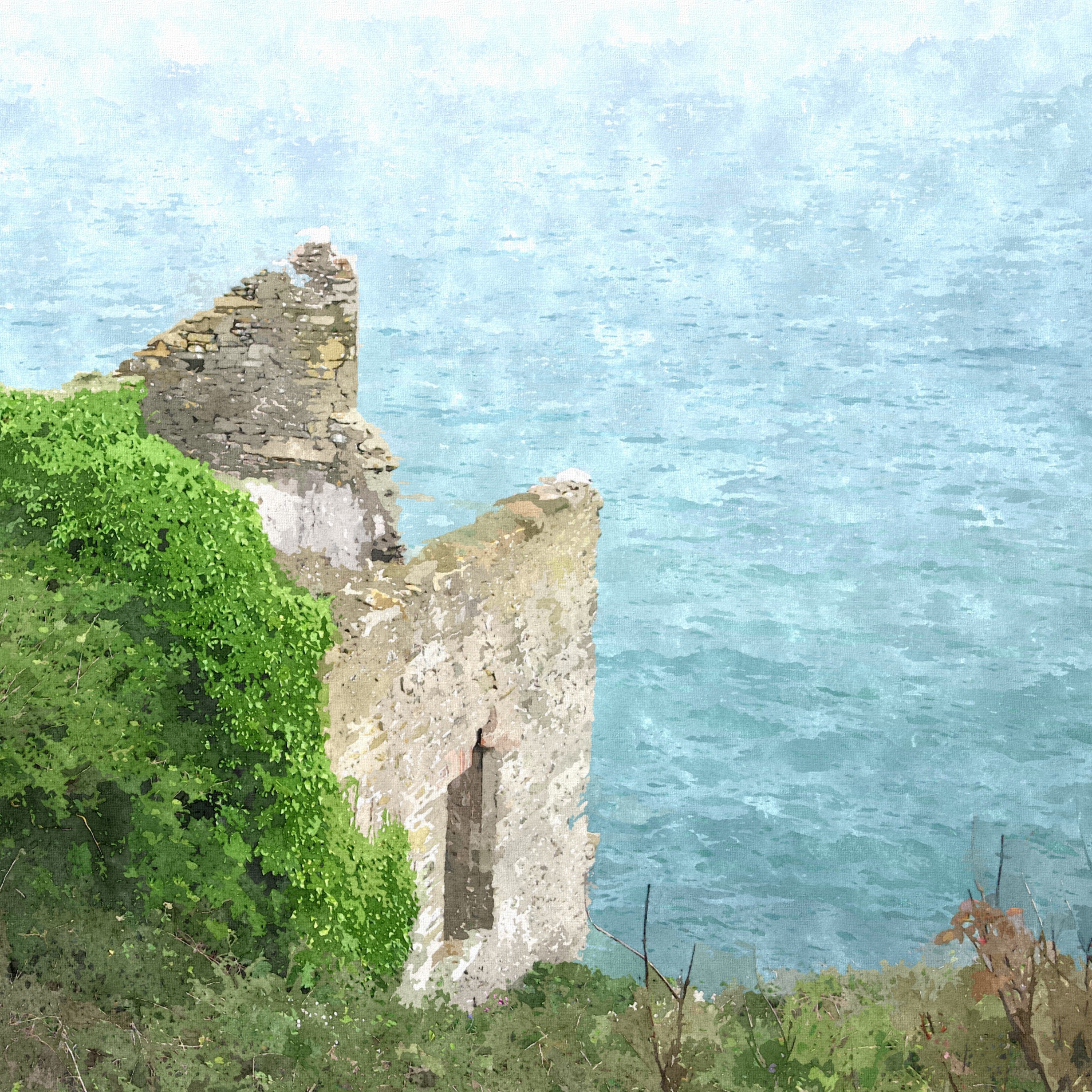
Image by Andy Dawson ReidI must down to the seas again, for the call of the running tide
Is a wild call and a clear call that may not be denied;

And all I ask is a windy day with the white clouds flying,
And the flung spray and the blown spume, and the sea-gulls crying.

John Masefield


My first full length ‘straight’ play (as distinct from the musicals on which I had to that point collaborated) was produced a little more than a decade ago at the school at which I was at that time gainfully employed (though not – it must be said – as a teacher of drama).

The piece was not – in fact – a single play at all, but a pair of linked one-act plays – designed to make up a complete evening’s entertainment.

The setting was Hebridean – the central theme ostensibly concerned the sea – much of the material was drawn from Scottish mythology and folklore. As is the nature of such things – of course – the plays’ true themes were connotative.

When first performed this brace of plays went under the imperceptibly amusing title – “Two Scottish Plays”.  Being a somewhat younger and still relatively callow chap, I thought it amusing thus doubly to tempt the fates! The work was subsequently re-titled – taking its rubric from the second stanza of John Masefield’s “Sea Fever”.

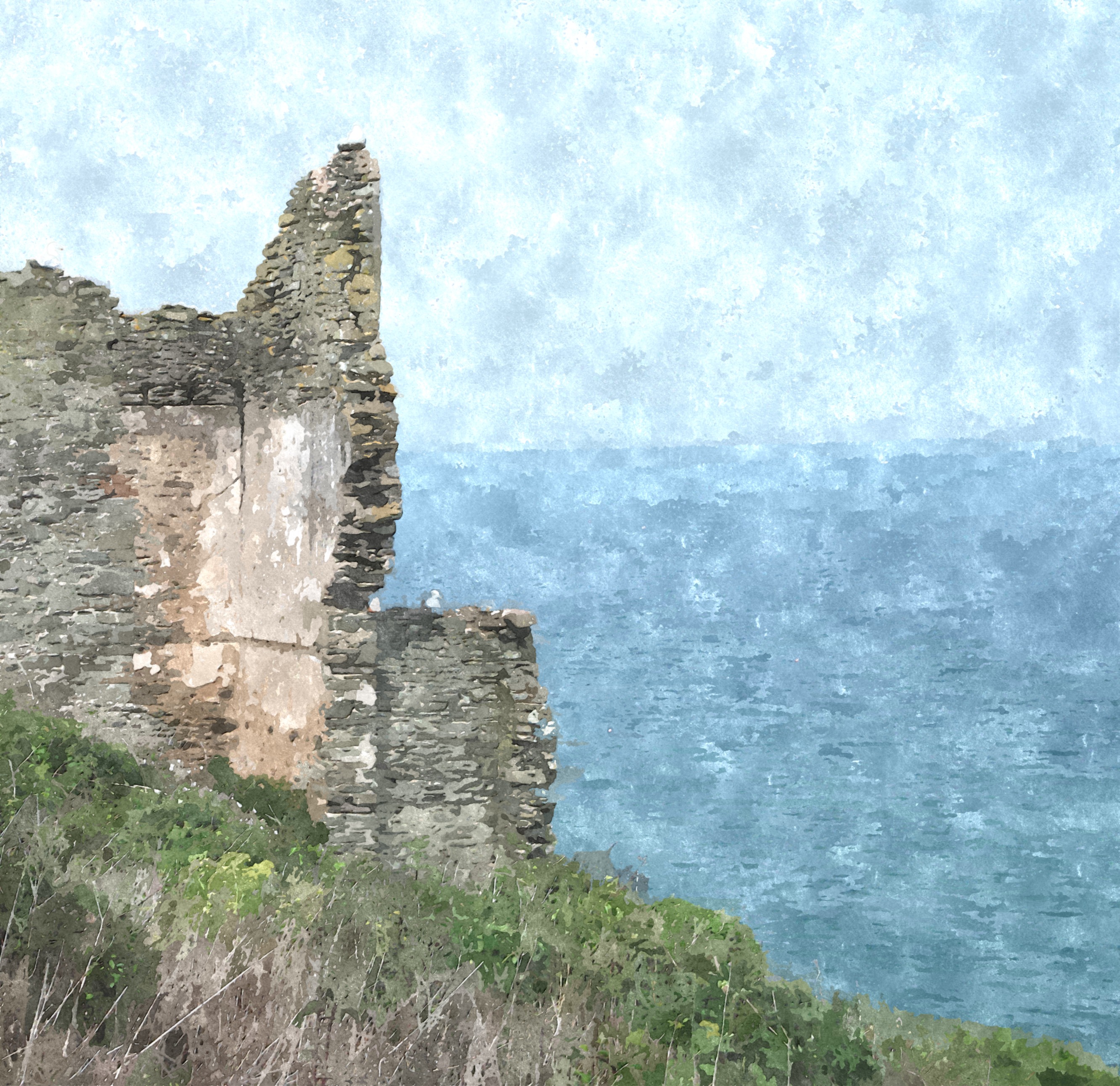
FotoSketcher - DSCF0305Reluctant to abnegate entirely my claims to be considered a composer I wrote a score to accompany the piece – an amalgam of incidental music and songs. Once the production was over I filed everything away as usual and pretty much forgot about it.

I had thus not heard these compositions in a almost decade when I came across the sequence files in a ‘dusty’ digital archive at some point during late autumn last year.

Distance apparently does lend enchantment – which interval can seemingly be chronological as well as spatial. I found myself captivated by a score that I had – in large part – forgotten completely. It is quite startling to come across something from the (relative) mists of time and to wonder how it could possibly have been written in the first place. It may sound egotistical – but I found myself not unimpressed.

I was moved to revisit the score – thinking perhaps to re-arrange it and to re-record it using contemporary technology. My spare(!) time over the ensuing couple of months was thus duly occupied on my Digital Audio Workstation (DAW) of choice – Tracktion – and a great deal of fun was had.

On the extreme off-off-off-chance that the gentle reader might feel inclined to add an auditory experience to the literary – do find herewith a couple of the incidental pieces.

The Littoral – Intertidal: The Littoral – Intertidal

Ciaran’s Jig: Ciaran’s Jig

Tags: , , ,

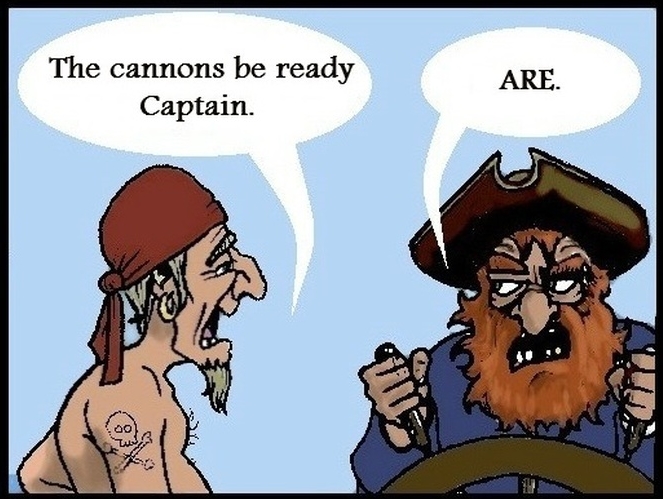
Image by Scott ClarkHerewith a couple of items that came to my attention over the weekend – and that I couldn’t resist sharing…

This image – brought to our notice by our dear friends in Saanichton – is part of a strip entitled ‘Grammar Pirates‘. The full strip – which can be found here – is the work of Scott Clark and can be found on his rather wonderful blog – ‘Kind of Sketchy‘.

Those who know me well will be all too aware of why I find the notion of ‘Grammar Pirates’ totally irresistable… grammar – word-play – paronomasia (look it up!)… and pirates!! What’s not to like?!


I found this in the magazine of The Observer – my Sunday read of choice. Their regular brief interview column – ‘This much I know‘ (which is subtitled ‘Famous faces share their life lessons‘) features a selection of edifying – and frequently humorous – ‘sound-bites’ from the well known.

This week’s contributor was the Scottish actor Brian Cox – now in his late sixties. He recalled working with Olivier:

‘Sir Laurence Olivier was quite elderly and frail when I worked with him. But he was a fox – he would wrong-foot people. I remember him forgetting his lines on set and saying, “Did anybody see Michael Hordern as King Lear? He knew all his lines. But I’m still a better fucking actor than he is.”‘

Priceless!

Tags: , ,

P-spaceAs a teacher of drama I am aware that I perhaps view the world – on occasion – through slightly different eyes to those not so involved.

This thought came into my head recently as the result of my having to make a trip to Loughborough, which is –  for those unfamiliar with the geography of the United Kingdom – in the Midlands, approximately 90 minutes north of London by train.

Which fact is germane – since I decided to eschew my normal practice and to take public transport rather than driving. I am still somewhat unsure as to exactly what made me do so: the weather had turned colder and I had been doing a considerable amount of driving of late, so I perhaps felt that what was needed was a relatively stress-free peregrination.

Why I thought that public transport would afford such I do not know!

Our end of Berkshire is not quite on the opposite side of the capital to the Midlands, but given the transport topology of the south of England it might as well be so. I paid my customary visit to the InterWebNet to ascertain the optimal route and discovered that I would needs journey into and across London before heading northwards out into the wilds of Leicestershire. This meant leaving in the frosty dark of the early morning, driving to the station, taking two trains to get to Paddington, taking the tube (underground or metro for those not of these parts!) across the metropolis to St Pancras and then finally boarding the intercity train to Loughborough.

The morning rush hour in the home counties is no fun at all, which has a great deal to do with why I routinely drive 35 miles in to School rather than relying on public transport (assuming that I could ever afford such!). For the second leg of my journey north – from Reading to Paddington – I had a reserved seat. Unfortunately I boarded the designated carriage at the wrong end. The train was non-stop to London and the coach so packed with standing passengers that I had to abandon any hope of pushing my way down the length of it to find my place. I do hope that somebody else enjoyed it!

“All very interesting” – I hear you cry – “but what has this to do with drama?”

Well – the portion of the first year drama curriculum that covers physicality includes an element concerning personal space – that private but invisible zone that we maintain around ourselves for our physical and emotional protection. In the course of this study we are – naturally – particularly interested in the dramatic possibilities of incursions into this space, which usually occur as a result of one character attempting to impose his or her status on another. Imagining an RSM lecturing an incompetent private at particularly close quarters, or a hoodlum intimidating his victim (to take just two obviously rather extreme examples) should give some idea as to what I refer.

Needless to say – we usually guard this space jealously, and when we do allow or invite others in it is normally a clear indication of the closeness of the relationship concerned.

On the commuter train – to the contrary – all of this goes out of the window! One finds oneself crushed in extreme close proximity with others, including those of the opposite sex for whom such intrusion would normally be a cause for raising the alarm! It seems that the modus operandi in such cases is simply to pretend that the incursion is not taking place at all – which is most strange.

I have always found the London commuter experience to be a puzzle. The wealthy banker may leave his luxury domicile in the home counties – given, perhaps, a lift to the station by his trophy wife in his top-end BMW. Once in the city he sits in his luxurious office on the upper floors with a panoramic view of the capital, his needs being serviced by PAs, underlings and secretaries. In between – however – he endures the commuter crush with tens of thousands of others in what is indubitably a pretty low-order experience… and for the ‘privilege’ of so doing he pays what can only be described as an eye-wateringly extortionate toll.

Bizarre!

Tags: , ,

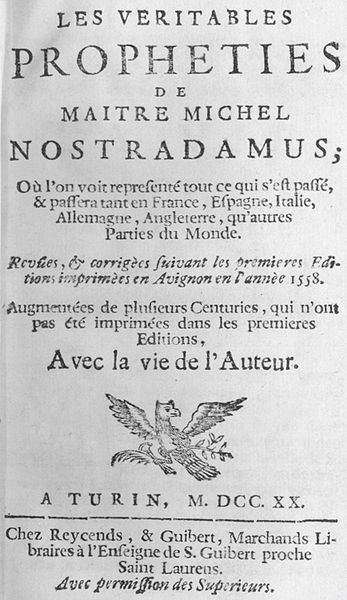
347px-Nostradamus_Centuries1720On the subject of prediction Wikipedia offers us this:

A prediction (Latin præ-, “before,” and dicere, “to say”) or forecast is a statement about the way things will happen in the future, often but not always based on experience or knowledge. While there is much overlap between prediction and forecast, a prediction may be a statement that some outcome is expected, while a forecast is more specific, and may cover a range of possible outcomes.

When writing – only a little more than six weeks ago – on the subject of the many difficulties that we faced in putting on the School’s promenade production of Parzival, I wrote thus:

“They are – of course – public school boys, and they will – therefore – naturally pull it all together at the last possible minute and triumph effortlessly yet again.”

What can I say?!

In spite of the fact that the weather did (and is, quite remarkably, still doing) its level best to persuade us that there will be no such thing as summer this year – on three overcast and gloomy days at the end of last week the clouds parted and the haze lifted just in time for each evening’s performance so that the gods could smile beneficently upon us.

In spite of the rushed nature of the final run-in to the performances – featuring as it did missing cast members, argumentative musicians and under-rehearsed business – as the first night approached the boys – responding to that deep-rooted public school instinct – rose to the challenge and turned in the first of three exemplary performances. As they gained in confidence and relaxed into their customary chutzpah these performances grew in stature. Needless to say I was delighted – for them and for myself – as well as being somewhat relieved and really most grateful.

I would love to have been able to post some images of the performances, though you will – of course – understand why I cannot do so.

The feedback received from both pupils and staff has been overwhelmingly positive and I am deeply grateful to all those who put in so much hard work to make this show happen.

Thank you!


Tags: , ,

Photo by Andy Dawson Reid“The good seaman weathers the storm he cannot avoid, and avoids the storm he cannot weather.”

Proverb

Dress rehearsal night for our production of Parzival finds us one cast-member short (as captain of the under fifteen cricket side that has won through to the semi-finals of a national competition he is three hours journey from here and won’t be back until after the run-through) – several of the musicians are playing the score for the first time – some of the cast will be hearing music cues live for the first time (if they happen at all!) and most of the costume changes and property settings are as yet untested.

These anxieties are not – however – our main preoccupation. That – you may not be surprised to hear – is the weather!

The English summer is playing its usual tricks. As the summer solstice nears during what we used to call ‘Flaming June’ we would hope for – nay expect – the weather to be fine, sunny and warm. It has been cold, wet and grey!

Today – to the contrary – is oppressively muggy and close, but the threat of rain is ever present. I have been studying the forecasts nervously for the past two weeks now. The predictions seem to change almost by the hour. It will be rainy – it will be overcast – the rain will clear in time for the performances – the precipitation is set in for the day. One thing only is certain – there will be weather!

That this matters is down to the decision to stage the production as a promenade – incorporating external spaces. There is – of course – a wet-weather plan – but that represents the sort of compromise that we would rather avoid.

Oh well – fingers crossed!


Tags: , ,

Photo by Andy Dawson ReidI was intrigued by this item in The Tyee on the recent re-naming of Mount Douglas as ‘PKOLS’. For non-Canadians ‘Mount Doug’ (as it is commonly known) is on the east side of the Saanich peninsular to the north of Victoria and was the site on which – in 1852 – the then governor of Vancouver Island – James Douglas – negotiated a treaty understood to be a promise to the WSÁNEĆ people that they would not be interfered with. PKOLS is held by the WSÁNEĆ nation to be the mountain’s original and true name.

As is seemingly inevitable in this enlightened day and age the article attracted the usual brief storm of comments expressing opinions both in favour of and against the unilateral action that had been taken. This comment in particular caused me to raise an eyebrow:

“History should be respected, whether liked or not, and not appropriated by every group with a new agenda.”

This by way of reference – not as I thought first to the colonial appropriation of a First Nations landmark – but rather to the recent reclamation thereof by the WSÁNEĆ nation. Unless – by chance – the comment was intended to be humorously ironic, then it truly missed the point in spectacular fashion.

All of which cultural imperialism puts me in mind of the Irish playwright, Brian Friel’s, masterpiece – ‘Translations’.

For those who have not seen (or indeed read) this splendid play, the context is that of the British Ordnance Survey of Ireland carried out during the 1830s – a process that involved mapping, renaming and anglicising Ireland, of which the British were at the time – of course – the occupiers. A good explanation of the historical context of the piece can be found here.

Friel claimed that – though the political was impossible to avoid completely – his subject was not the situation in Ireland per se, but that this was “a play about language and only about language”. His interests are in the nature of communication – and the difficulties thereof – between peoples and races.

The play has – at its centre – a quite startling conceit, of the sort that marks out a playwright as belonging to the highest echelons of his profession. The Irish villagers speak only Gaelic and do not understand English. The British Army officers conducting the survey have – naturally – no Gaelic. Neither side can understand the other. The entire cast – however – perform throughout in English! The audience must decide for themselves which language is being spoken at any point. This unexpected inversion only serves to highlight the cultural chasm between the two sides, an inability to communicate that has – almost inevitably – tragic consequences.

Friel’s piece rightly offers no easy answers. It does – however – offer insight into the effects of such cultural colonisation. Insistence on strict maintenance of a native language as a pure act of defiance runs the risk of that language ossifying and become inert. Should that happen the culture that is based upon it will die as surely as had the coloniser set out to destroy it. Language must live and evolve if the culture itself is not simply to become a museum piece – even should that require the assimilation of an alien tongue.

Tags: , ,

The_Joust_between_the_Lord_of_the_Tournament_and_the_knight_of_the_Red_Rose

If you are a regular follower of these ramblings you may well have noticed that there has been something of a falling off in the frequency of posts over this last period. The reasons for this will be only too evident to any of you who have been engaged at any point in the pursuit of thespism. The first night of the School’s production of ‘Parzival’ takes place exactly a week from today and pretty much all of my spare time – and indeed of my energies – are currently being poured into that endeavour.

Normal service will be resumed as soon as possible!

Tags: , ,

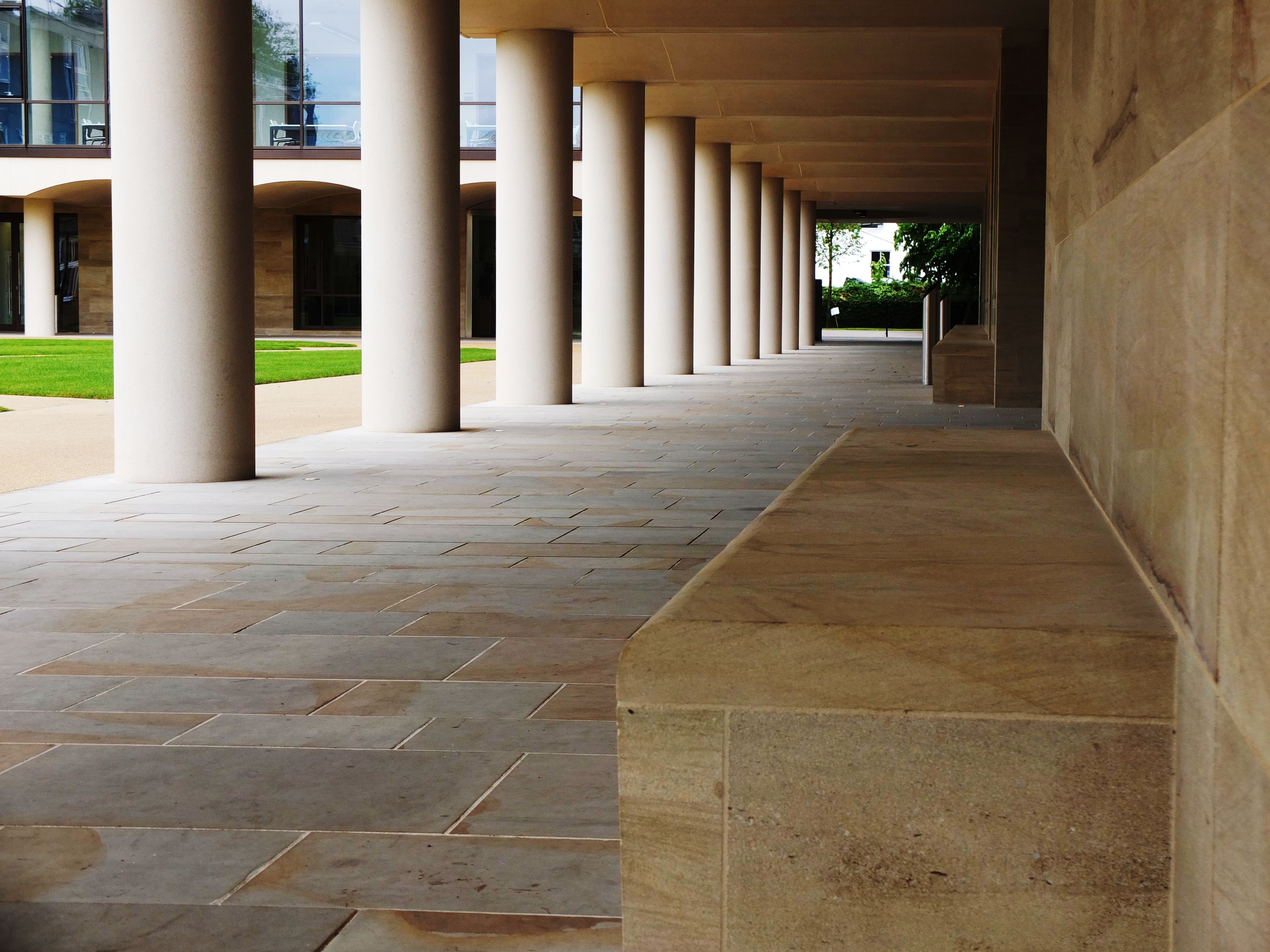
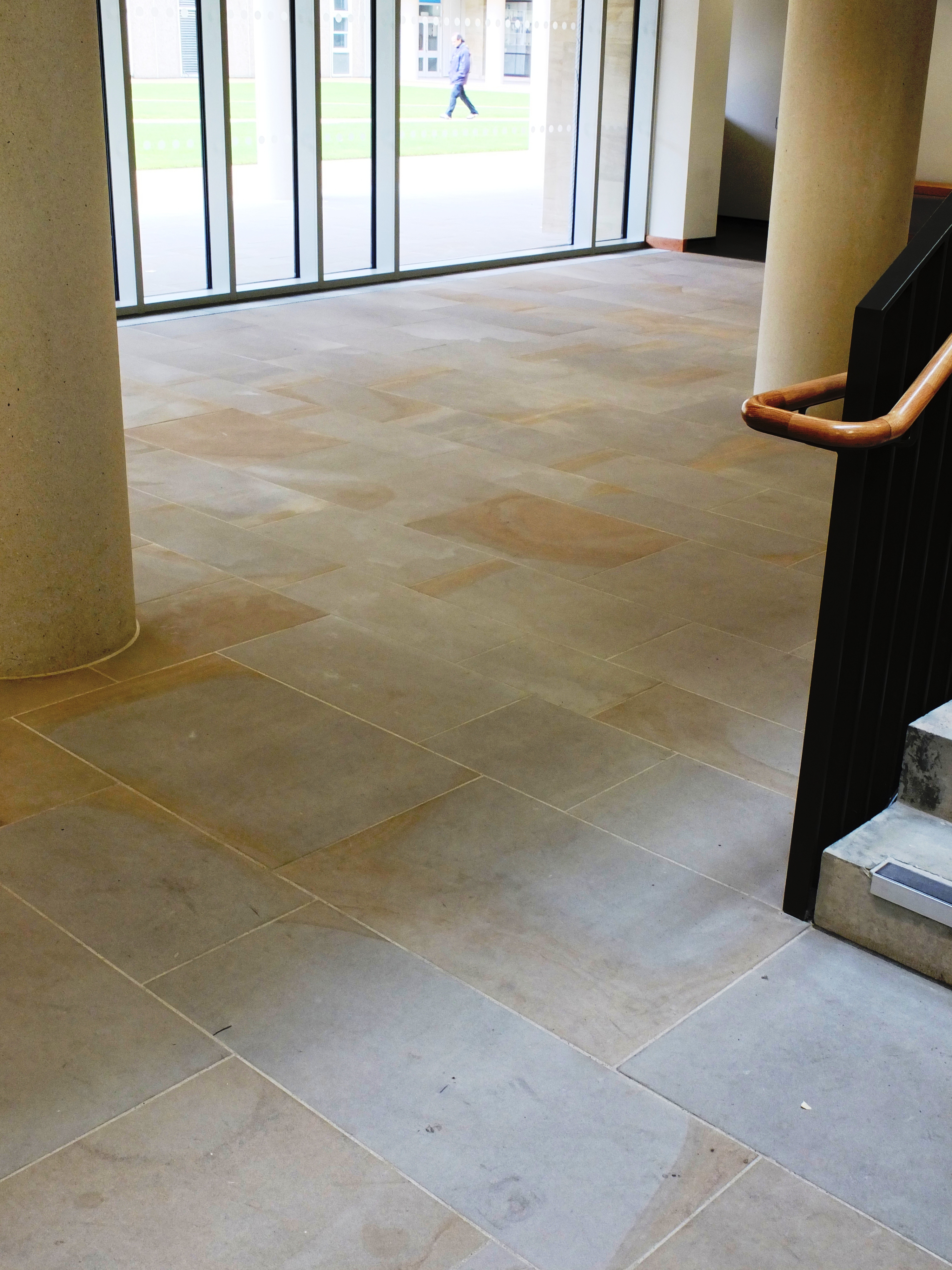
One of the motivations for my adapting Wolfram von Eschenbach’s ‘Parzival’ in the first place – and in particular for the decision to stage it as a promenade – was that my previous school – at which it was first staged – is possessed of a particularly fine set of ancient buildings, some dating back to the school’s foundation in the 15th Century. The desire to see spaces such as the chapel, the original schoolrooms and the courtyards and cloisters pressed into service as theatre spaces was – frankly – irresistible.

Equally, one of the prime challenges of re-staging the production in my current school (which is only sixty years younger when all’s said and done) is that – as a result of its relocation in the late 1960s – nothing on the site is more than 35 years old. There are certainly some interesting spaces (in addition to the normal theatrical venues) but none of them can provide that authentic patina of age.

No matter. We must make best use of what we have. Here are some of the chosen locales. Interestingly, the newest buildings provide some of the most appropriate settings, being built – as they are – using ‘traditional’ materials and styles.

Photo by Andy Dawson ReidPhoto by Andy Dawson Reid

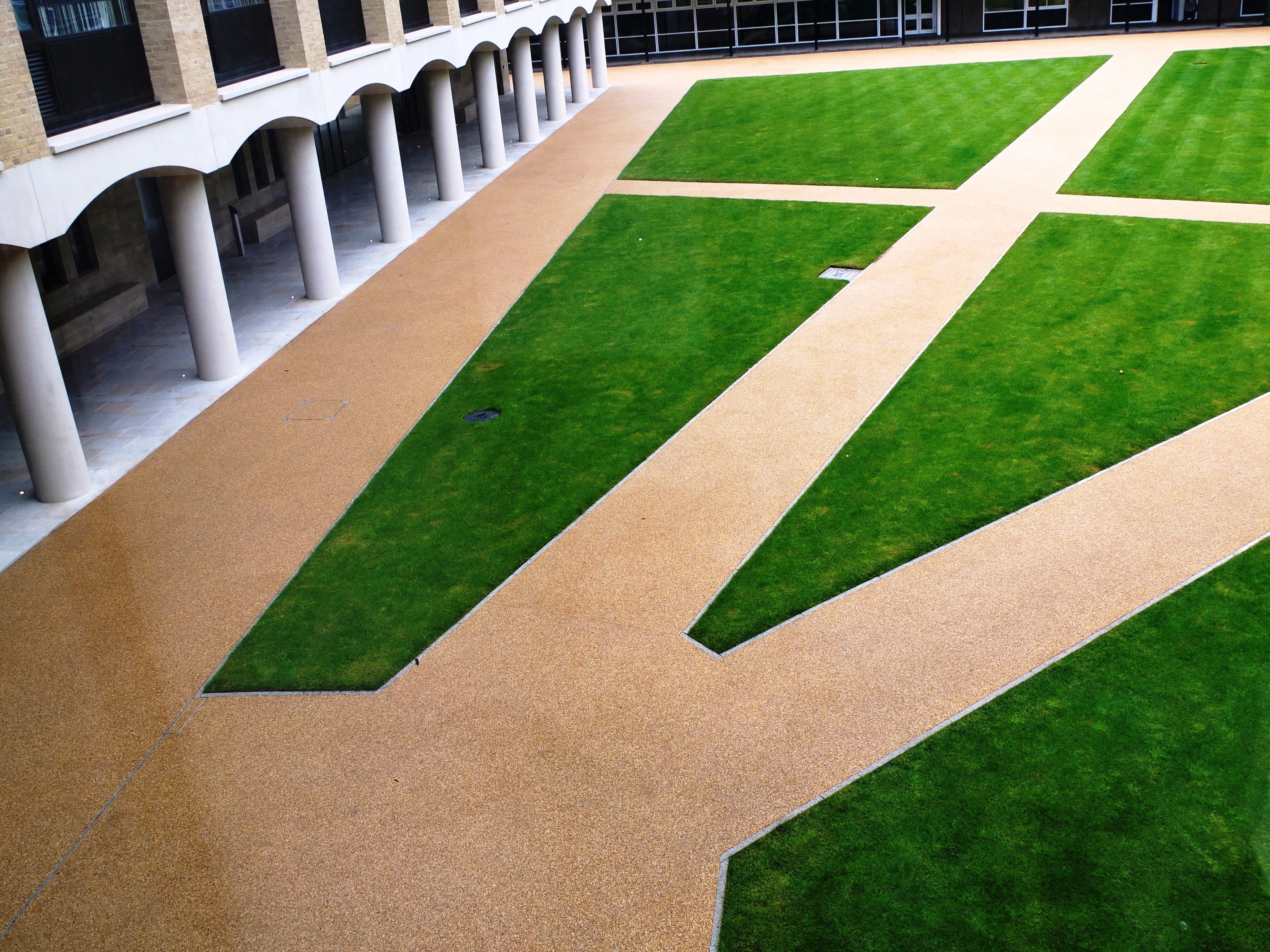
There is a splendidly traditional ‘collegiate’ court – which did not exist at all until just before Christmas last year…

Photo by Andy Dawson ReidPhoto by Andy Dawson Reid

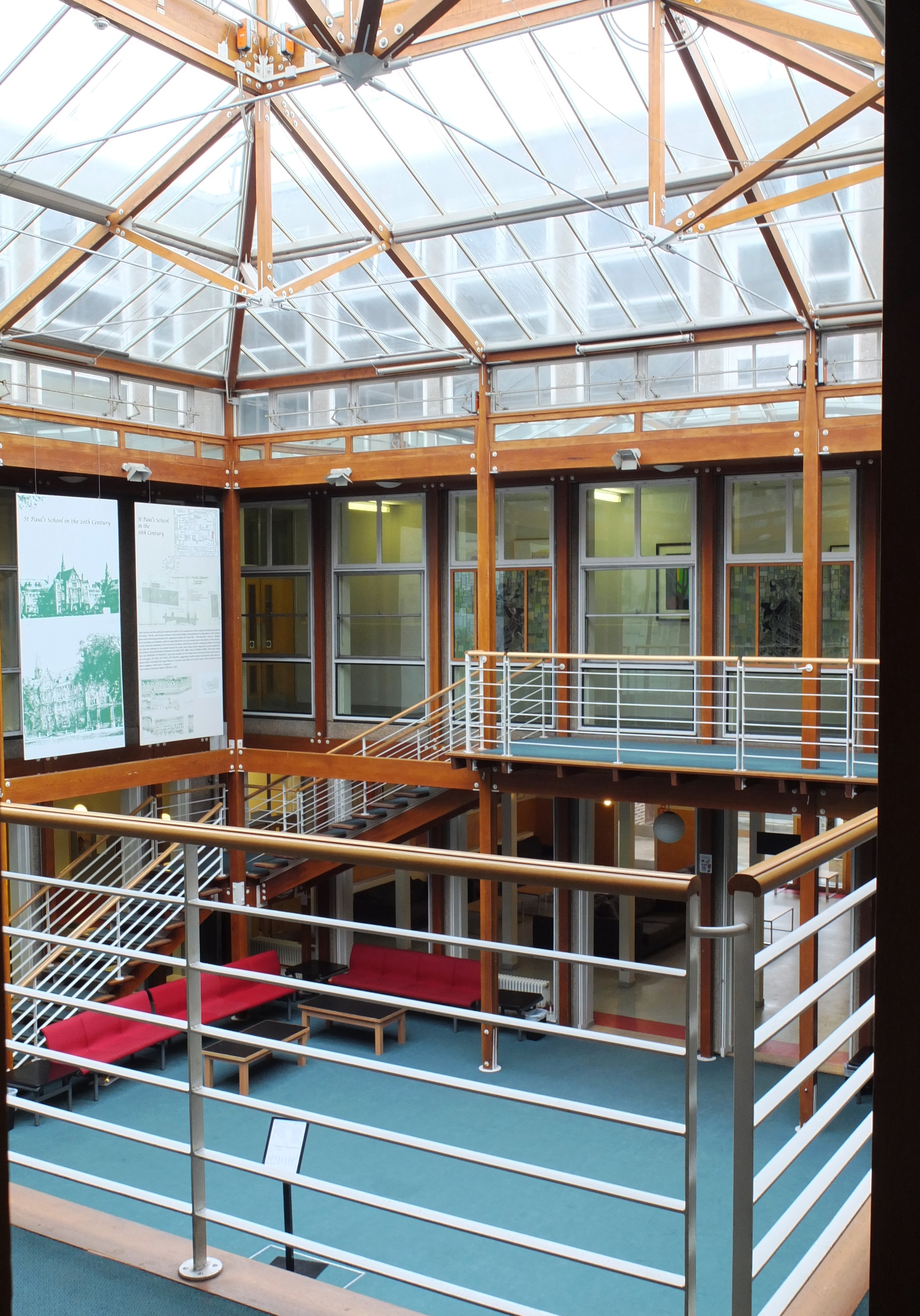
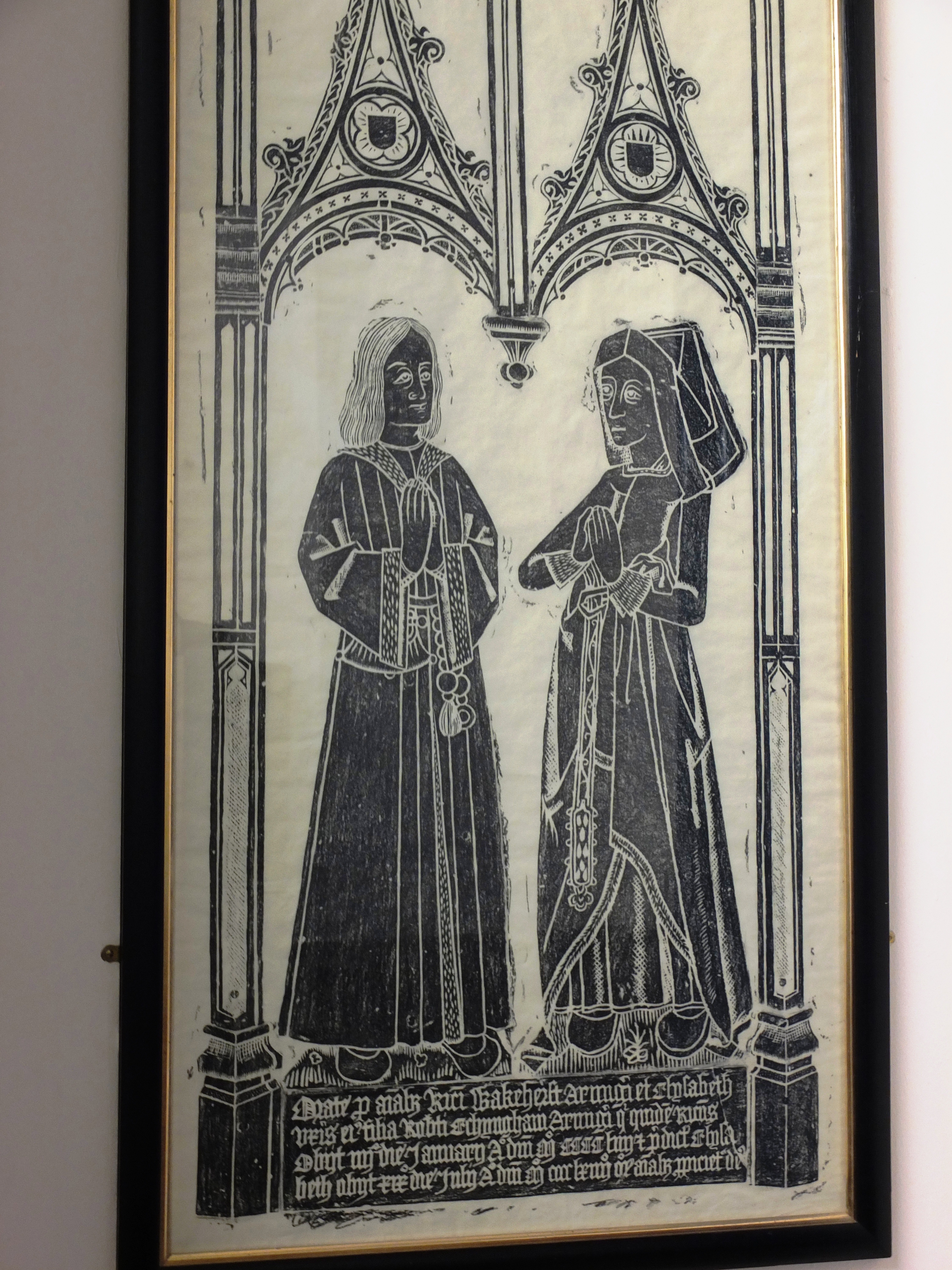
…not to mention an atrium which houses one or two bits of such antiquity as the School yet possesses.

Photo by Andy Dawson ReidPhot by Andy Dawson ReidPhoto by Andy Dawson Reid

Tags: , ,

Photo by Vvillamon on FlickrI had intended – by this point – to be regaling the gentle reader with thoughtful discourse on the challenges of adapting the medieval lyrical epic to the somewhat prosaic environs of the late sixties school buildings in which we are – in the main – ensconced. I refer – of course – to my as yet embryonic production of Parzival – which is to be offered later this term as the School’s Junior Play.

Sadly the expected and eagerly anticipated directorial regimen of dramatic problem-solving is still not the main focus. I am rather yet beset by matters markedly more mundane – specifically those arising from the nature of the mind of the thirteen and fourteen year old boy, and in particular from their apparently antithetical ability to be simultaneously irritatingly clever and incomprehensibly incapable of the simplest feat of self-organisation.

There are twenty four boys in the cast. They play between them some forty named characters – in addition to the usual stage dressing of lunatics and spear-carriers. It is understood that – in the early stages of rehearsal – the boys will have many competing demands on their time, and great care was thus taken to canvas their availability before drawing up the first draft of the first call-sheet.

During the normal school week there are ten possible rehearsal slots – at lunchtime and after school each day. The average respondent seemed able to manage around six of those slots. The keenest – playing one of the smallest roles, naturally – was available for all ten, whereas the most reluctant could only offer three! One wondered quite why he had put himself forward for audition at all, given the clearly congested nature of his calendar.

Almost inevitably the task of matching the availability of any particular combination of boys to the groupings required by the script has proved to be a Herculean one. Each time a new call-sheet is required I must needs spend several hours surrounded by grids and charts attempting to unpick this particular Gordian knot. Inevitably also, no sooner have I posted the freshly-minted edition than some boy will appear at my door pleading special circumstances…

This is annoying!

It is not – however – the most annoying aspect of the process.

I have only slightly reluctantly taken on this massive organisational task and my feelings are – naturally – tempered by the fact that the previously enumerated complexities of my own script do not make life any easier. The boys – however – have only three immediate tasks:

  • to know when and where they are required for rehearsal – and to be there on time
  • to bring with them their script (let’s not even think about them actually learning it at this point!)
  • to bring a pencil or other writing implement – to enable them to take notes

You would be astonished (or maybe you wouldn’t!) by just how much these simple tasks seem to be beyond some of the brightest boys in the country. Every time that one of them – and it is usually those playing the smaller roles – ‘forgets’ to attend rehearsal, the call-sheet must be amended afresh and further time carved out of an already stoppered schedule.

They are – of course – public school boys, and they will – therefore – naturally pull it all together at the last possible minute and triumph effortlessly yet again.

Thus was the empire forged…

Tags: , ,

« Older entries § Newer entries »