web analytics

The old lie – 1

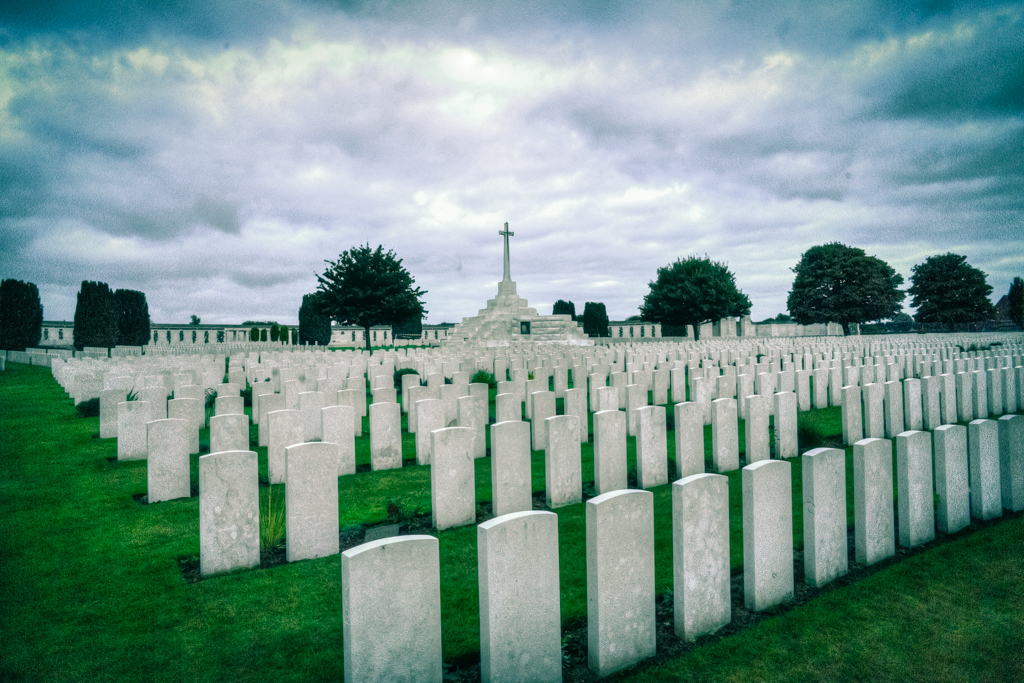
Image by Roger McLassus from Wikimedia CommonsI have recently finished reading Peter Parker’s 1987 book, ‘The Old Lie‘ – which is helpfully subtitled ‘The Great War and the Public School Ethos‘. I came to it – as happens with many of the tomes to which I am drawn – through a reference in another book, though I can no longer recall the details of that volume nor the context in which it referred to Peter Parker’s book.

For those perhaps unfamiliar – should such there yet be – the title refers to Wilfred Owen’s first world war poem, ‘Dulce et Decorum Est‘ – which ends:

My friend, you would not tell with such high zest
To children ardent for some desperate glory,
The old Lie: Dulce et decorum est
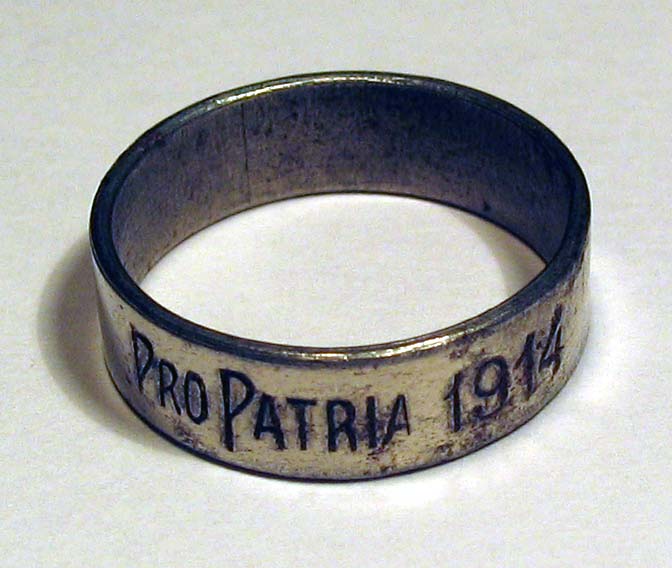
Pro patria mori
.”

The Latin quote which Owen brands ‘The old lie‘ is by the Roman poet, Horace, and translates thus:

It is sweet and fitting to die for one’s country

It is necessary also to understand that the public schools of the subtitle are those of England and Wales, which are pretty much the antithesis of public schools anywhere else in the world. As Wikipedia informs us:

A public school in England and Wales is an older, student selective, fee-paying independent secondary school which caters primarily for children aged between 11 or 13 and 18. The term “public” should not be misunderstood to mean that these are public sector schools: they are in fact private sector. Traditionally, public schools were all-male boarding schools, although most now allow day pupils, and many have become either partially or fully co-educational.

Public schools emerged from charity schools established to educate poor scholars, the term “public” being used to indicate that access to them was not restricted on the basis of religion, occupation, or home location, and that they were subject to public management or control,in contrast to private schools which were run for the personal profit of the proprietors.

The Clarendon Commission of 1861 – a Royal Commission set up to investigate the state of the nine leading public schools in England – concerned itself with seven boarding schools (Eton, Charterhouse, Harrow, Rugby, Shrewsbury, Westminster and Winchester) and two day schools (St Paul’s and Merchant Taylors’). The ‘Public Schools Yearbook’ was published for the first time in 1889 – listing 30 schools – and by 1902 the publication further included all schools that were members of the Head Masters’ Conference (HMC).

Given that to obtain a commission in the armed forces at the turn of the twentieth century it was necessary to be wealthy, to be well educated and to come from the ‘right’ background it is little surprise that the great majority of the junior officers in the service at the start of the war had been educated in these schools. As the war progressed many more of them joined up directly from school and, even when the numbers required for the ever swelling force argued a widening of the constituency, this was achieved by offering ‘temporary’ commissions (for the duration of the war only) to those from the middle classes with grammar and independent school backgrounds.

The eagerness with which many Britons rushed to war in 1914 is widely recognised, and perhaps none were keener than those who had recently left – or were about to leave – England’s public schools. Even as the war progressed and the full horror of modern mechanical warfare became apparent there was no shortage of young men who believed that this moment in history was just that for which they had been born, raised and educated.

Just why these young men should have been so intoxicated by this zeal to serve and even, perchance, to die for their country is the subject of Peter Parker’s book. I will delve further there-into in a subsequent post.

My particular interest in this subject? I spent greater part of the last two decades working for two of the schools listed above and have many colleagues and friends who gave their service to the others.

 

All at sea

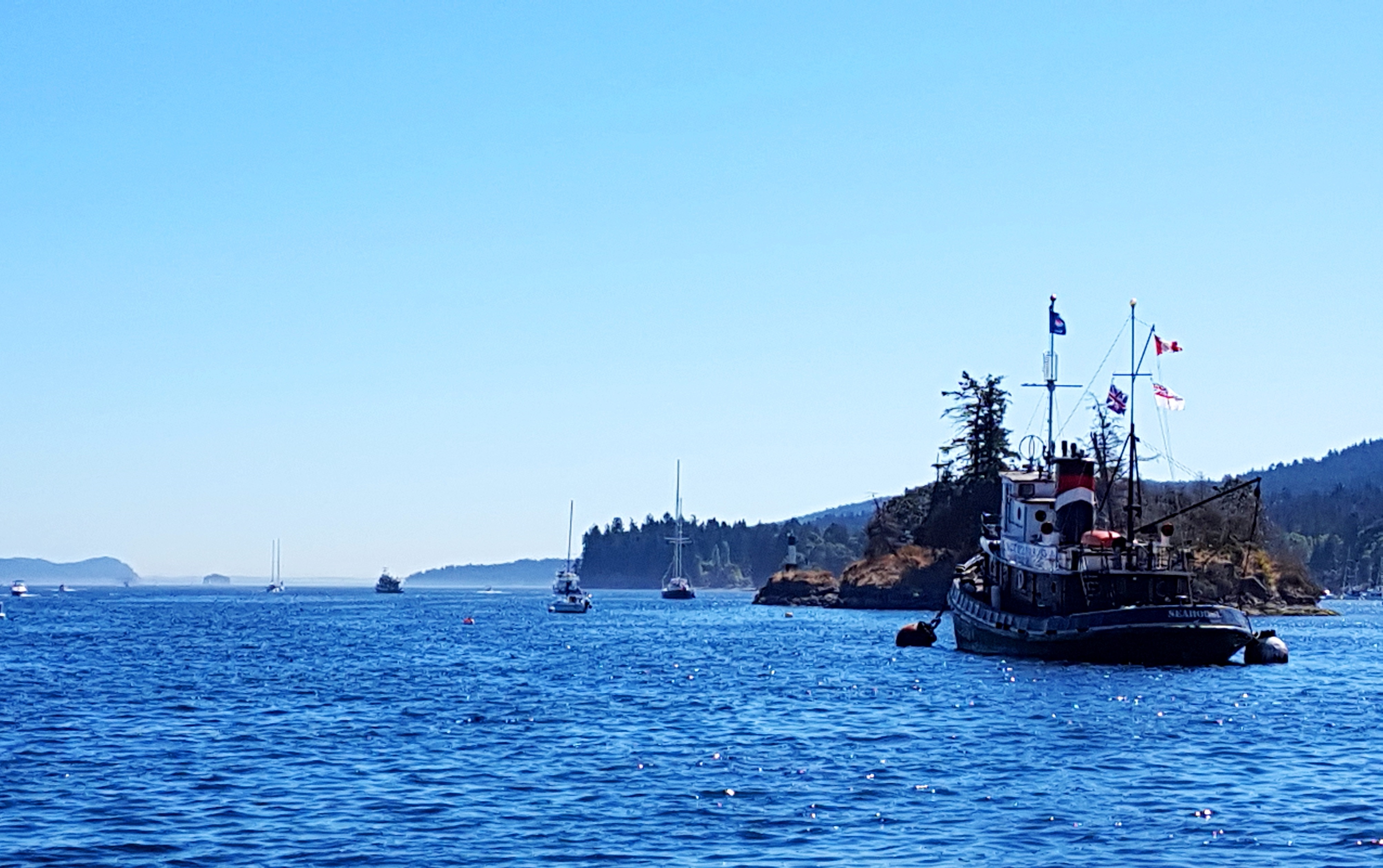
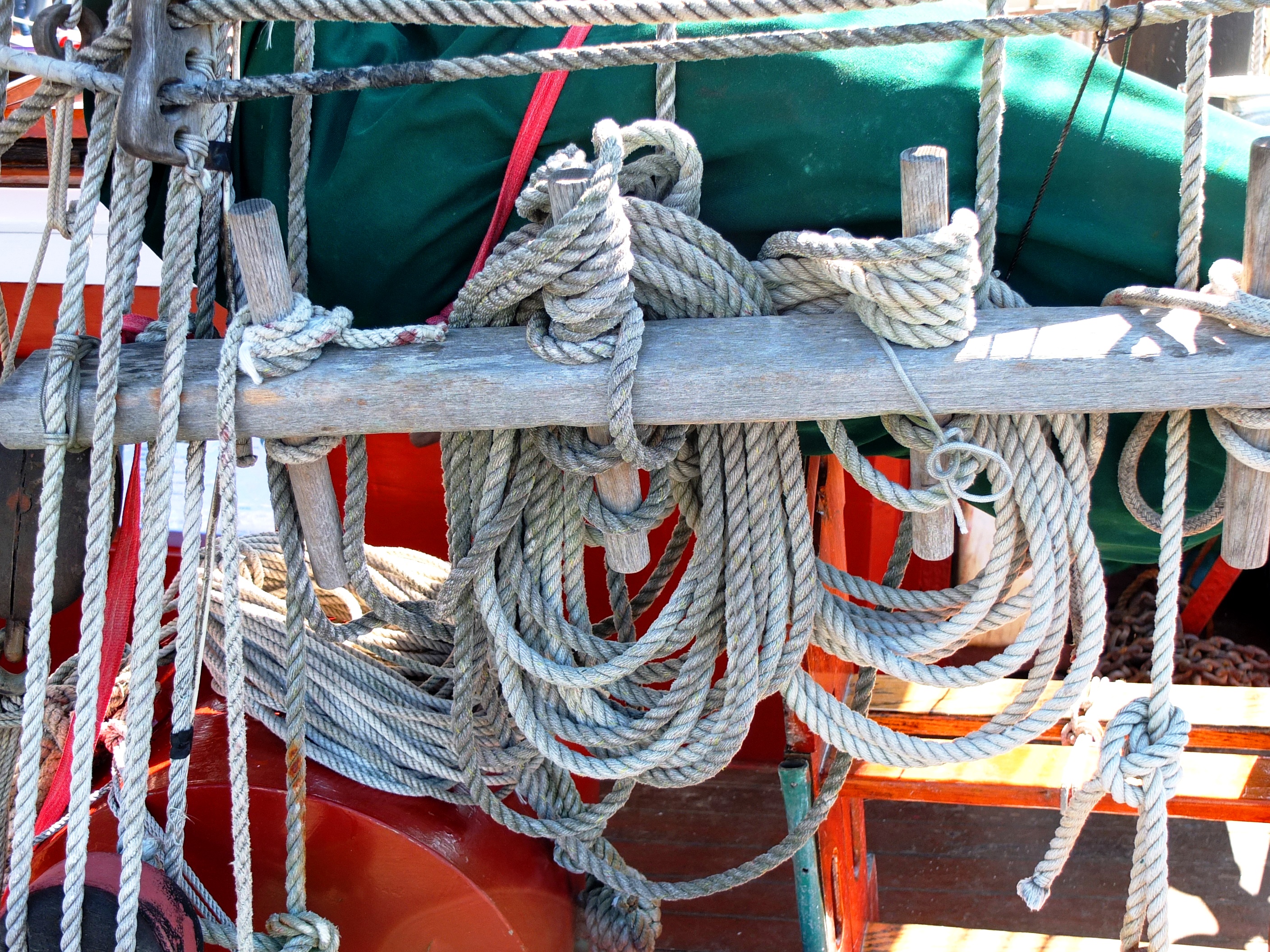
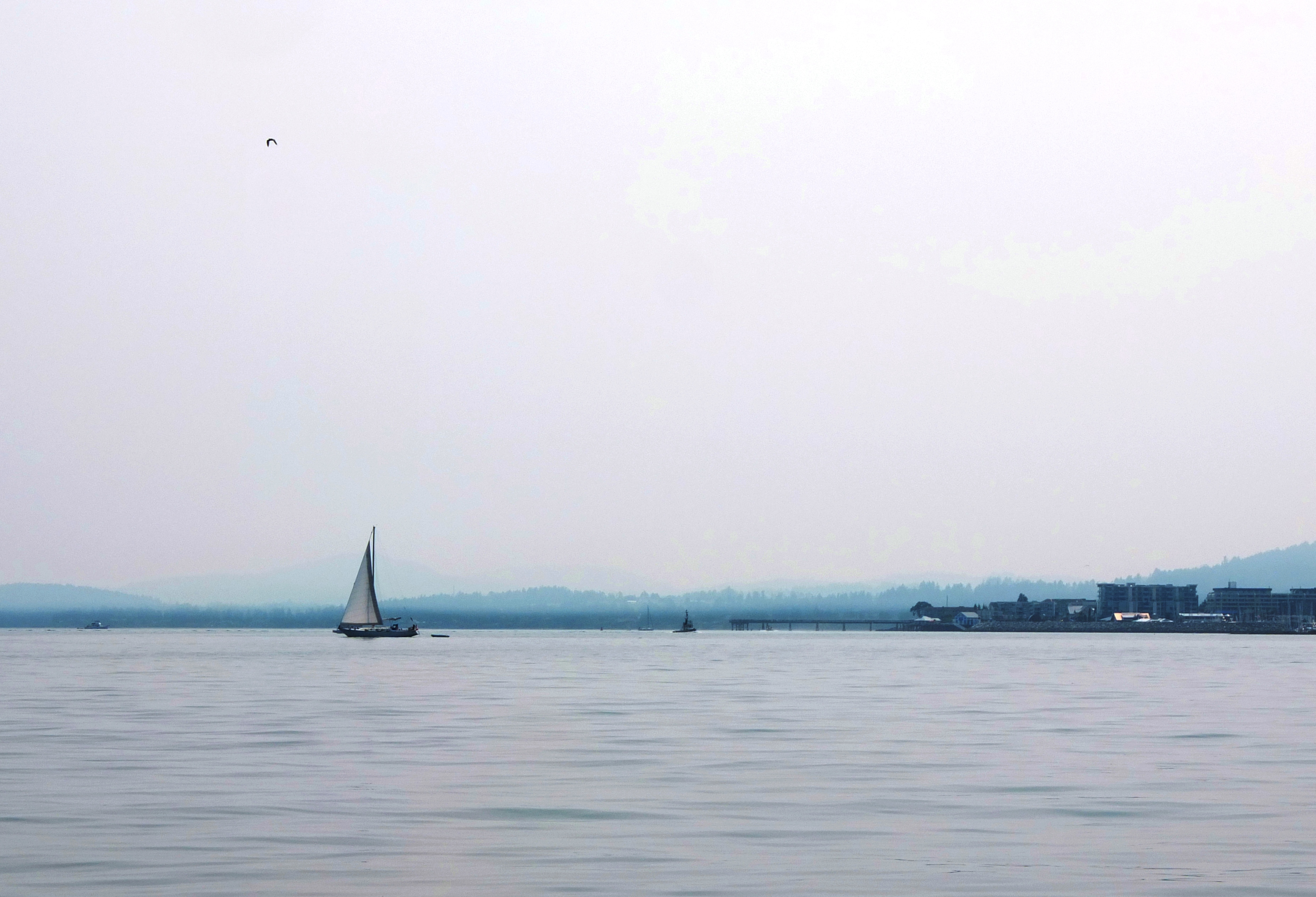
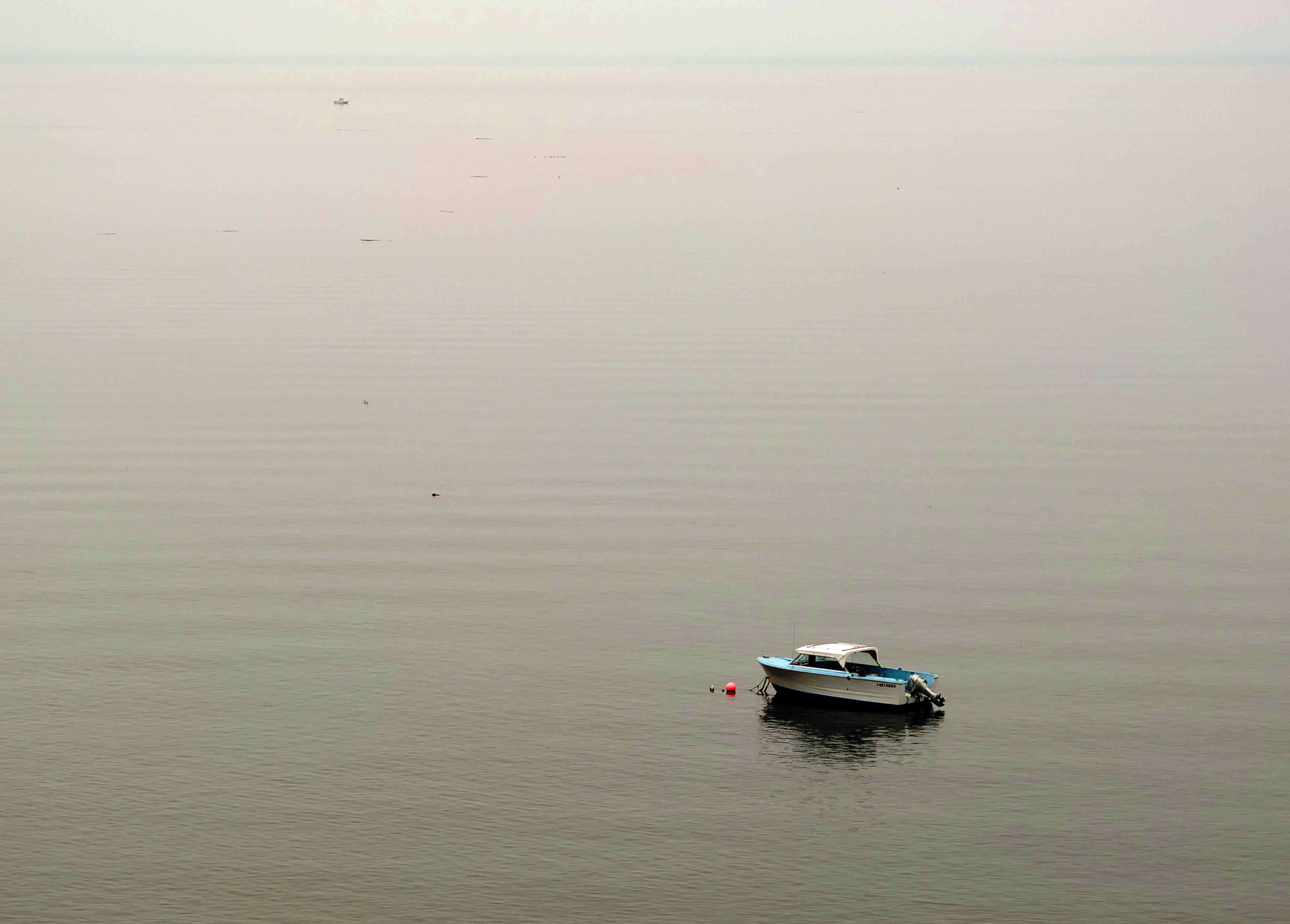
The ship called ‘Dignity’ is enjoying her sabbatical at Westport Marina in Tsehum Harbour to the north of Sidney. Renting a slip there means that more time can actually be spent ‘messing about in (one particular) boat(s)‘ than would be possible were she to have to be launched afresh each time she goes out – and the prices are really very reasonable this year.

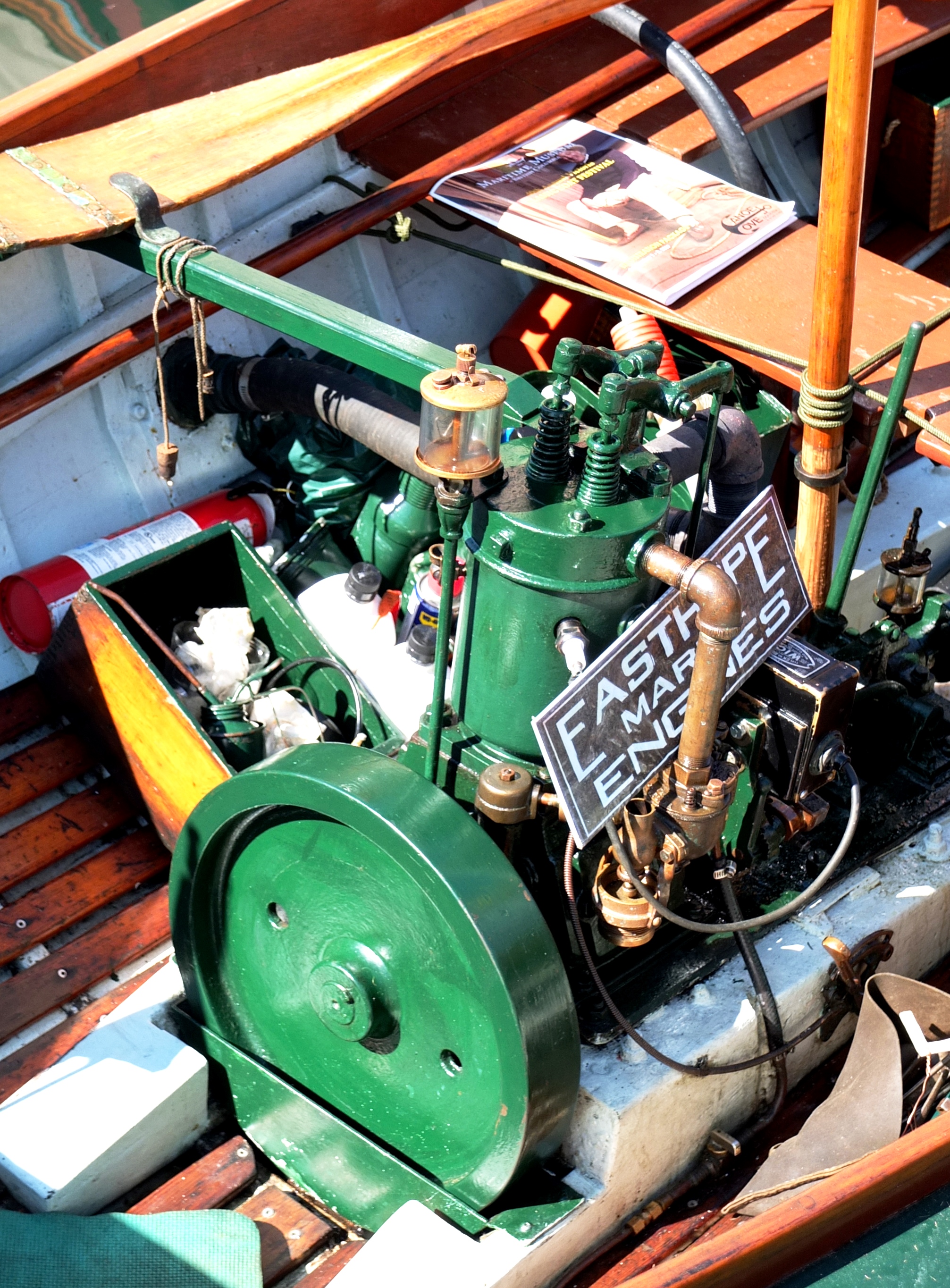
I have also taken the opportunity to do some tinkering – tweaking idle speed and fuel/air mixture for example – so that she now runs as she should at slow speeds. This makes navigating through the maze of channels and marinas that comprise Tsehum Harbour a whole lot easier than it was before.

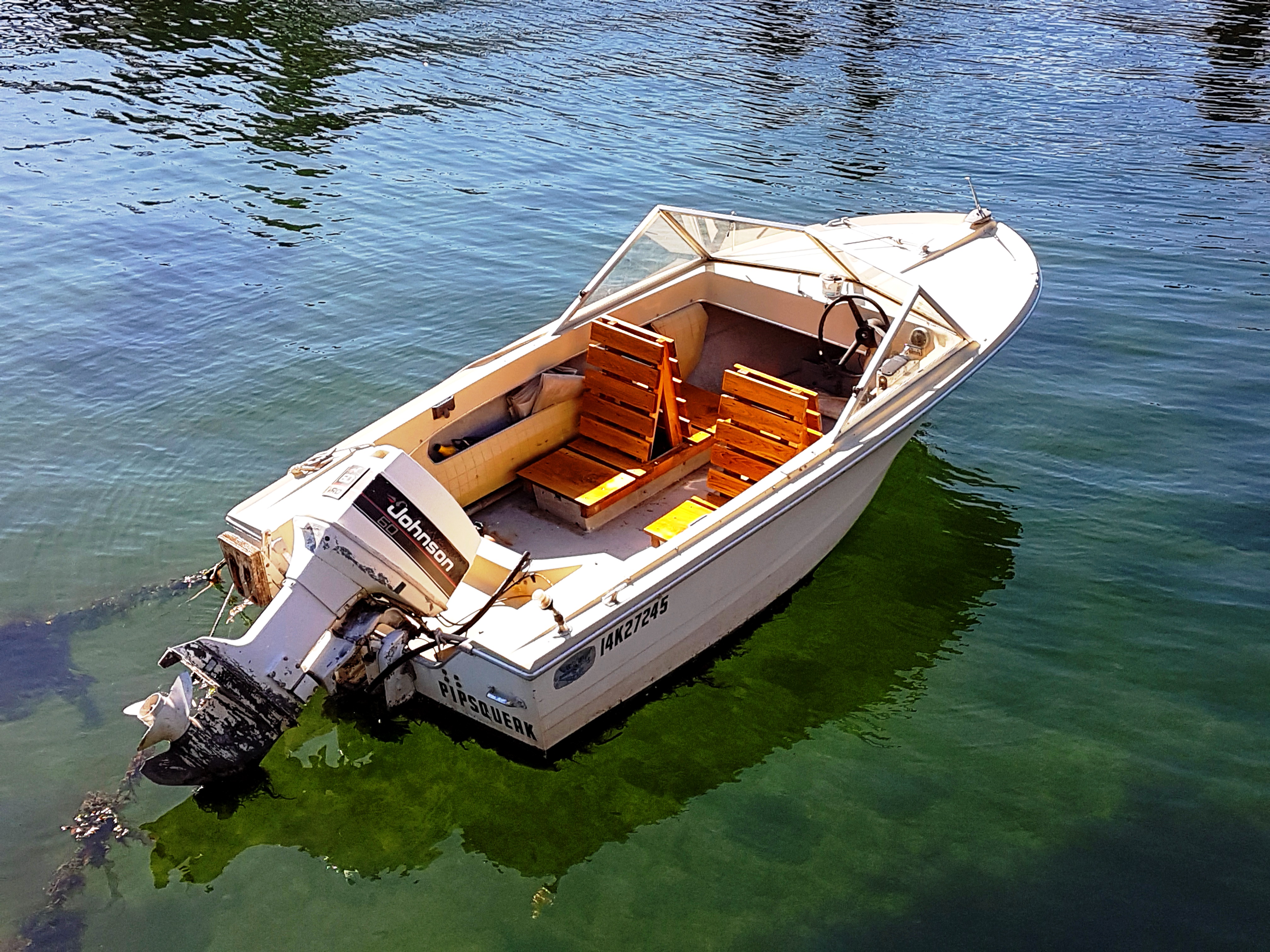
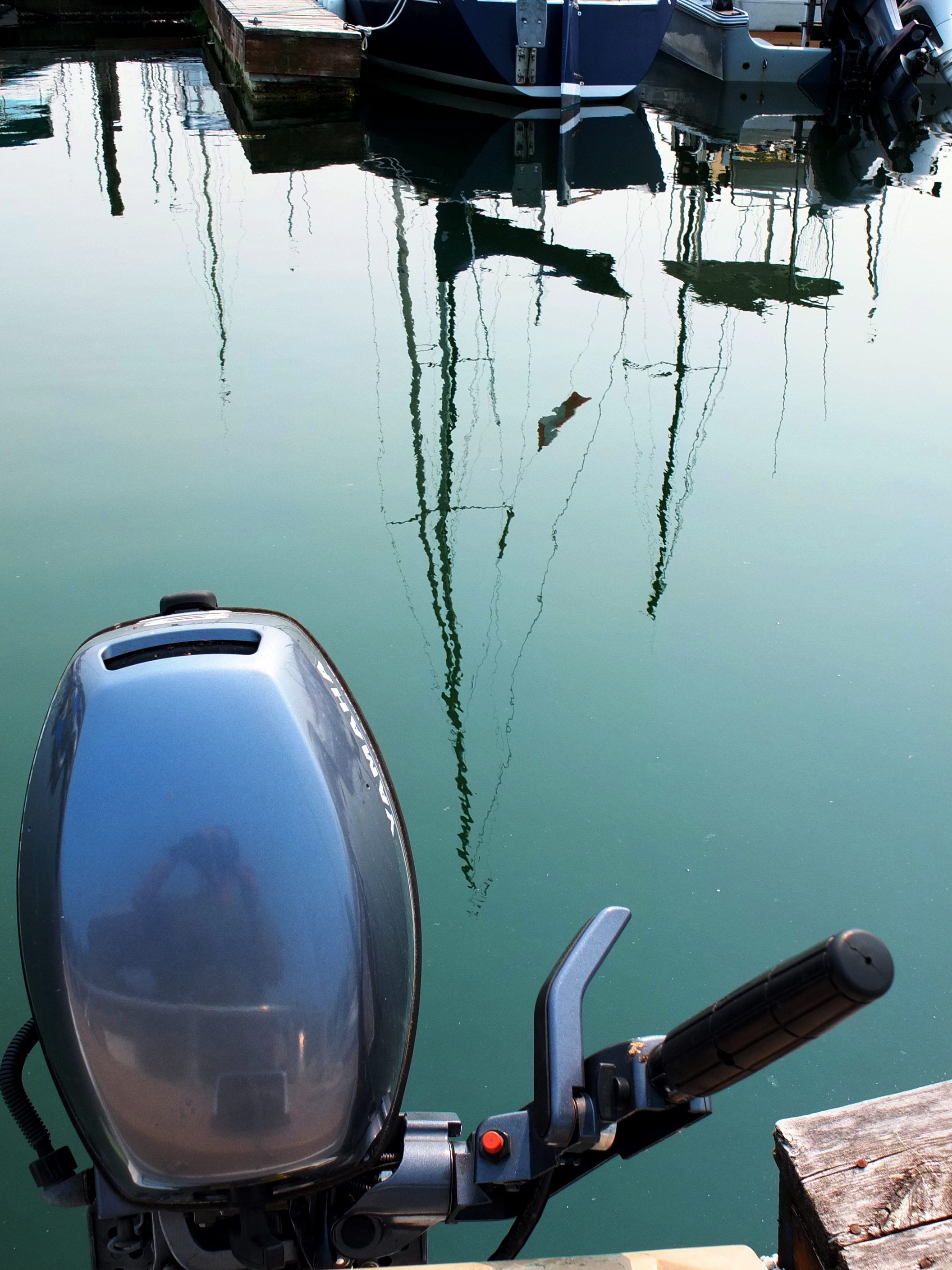
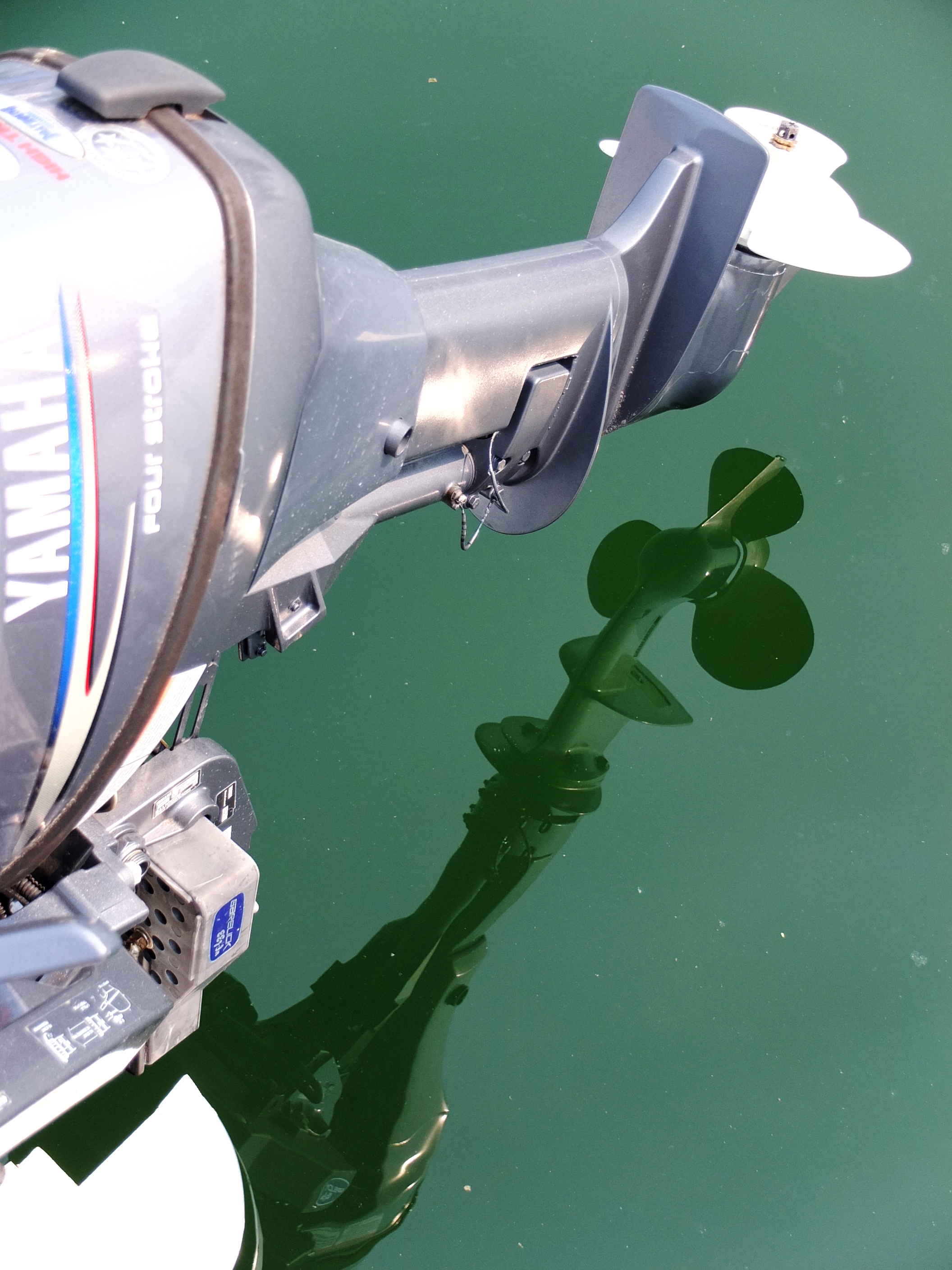
Taking the boat out on my own sadly means that I don’t get the opportunity to take as many photographs as I would like whilst out on the water – which explains why most of these were taken in the marina itself.

This is Sidney by the Sea:

Photo by Andy Dawson ReidReflections…

Photo by Andy Dawson ReidPhoto by Andy Dawson ReidPhoto by Andy Dawson ReidShipshape!…

Photo by Andy Dawson Reid…though we all have our own ways of doing things. Now – which do you suppose would be my preference?

Photo by Andy Dawson Reid

On the beaches

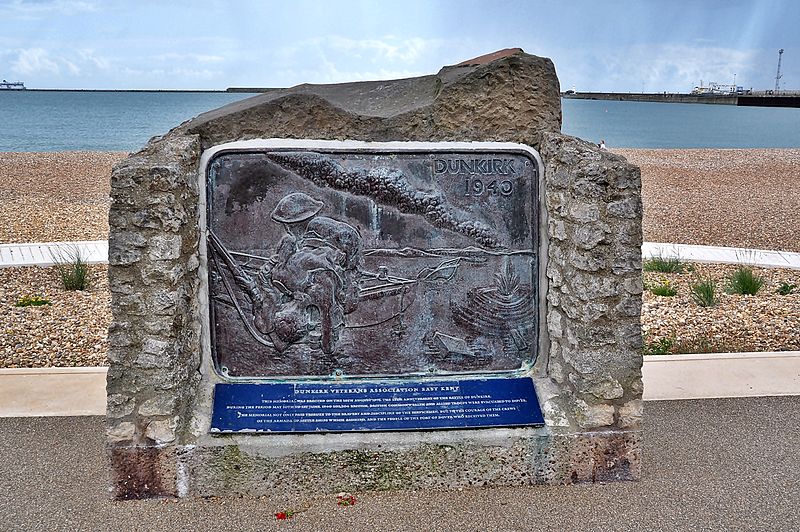
Photo by Beata May on Wikimedia CommonsEvery so often comes a film that finds itself the subject of much earnest discussion – not with regard to the subject matter nor to any particular individual performance, nor even because of the use of some dazzling new studio trickery – but rather because it represents a significant advance in the film-maker’s art.

Such a beast is Christopher Nolan’s film of the miraculous evacuation of the British Expeditionary Force from Dunkirk in 1940.

‘Dunkirk’ has caused much comment and in the case of the critics this has been overwhelmingly favourable – the great majority being of the view that this is a noteworthy piece of film-making that lends new perspective to an historical event.

In this case I am with the critics. I think that ‘Dunkirk’ is a brave piece of film-making.

Consider:

Nolan determined to make an epic film about this major historical event which featured some 400,000 troops on the allied side alone, along with in excess of 800 vessels, without resorting to the use of CGI. The film also lacks entirely the uber-realistic blood and gore that has become a staple of modern war films; it features very little dialogue and no backstories for any of the characters; it has no scenes showing those in command on either side directing the engagement and no enemy combatants are seen at all until the very final scene.

Bear in mind also that this is a Hollywood film about a battle that not only featured no Americans (Nolan also insisted that the cast be entirely British), but which was actually an epic defeat!

As though all of this were not enough, Nolan’s script is also divided into three elements – the action on land, the evacuation on water and the aerial battle over the beaches. These elements – each of which flows across the entire film – take place in three different time-frames. The land action encompasses a week – the naval component covers one day in the evacuation – and the aerial action takes a mere hour. The three strands overlap at the climax of the piece, which of course means that the viewer sees the same action from multiple points of view.

The effect of the decisions taken by the director is that the film captures in a visceral manner just a little of what the experience of being on the beaches at Dunkirk might have been like. No individual’s story is more important than any other. No-one on the beaches knows what is going on, and nor can they imagine the wider picture. All that they know is that if they are to survive this calamity – for which no training can possibly have prepared them – they must fight against all the odds. The film has been described as ‘immersive’ – and that perhaps best sums it up.

The commentarists on the InterWebNet – those driven to add their voice and opinion to any and every matter –  have been less generous. Complaints include a lack of historical accuracy; an inadequacy of scale; the omission of important characters, events or even themes (including gripes concerning the under-representation of nationalities, races and genders!); the incomprehensibility of the narrative to those not familiar with the history and the supposed incompetence of writing which does not indulge in the usual tropes – well defined characters with revealing backstories and emotionally engaging story and character arcs.

We are all of us entitled to our views – of course – as we are to express the same. It does seem to me a little perverse – however – to apparently willfully miss the point in quite such a manner. To sit through Nolan’s impressionistic work and then to cavil that it is not the film that one wishes the director had made is perhaps – and only a little facetiously – somewhat akin to wishing that Van Gogh had possessed a camera with which he could have taken a few snaps of some sunflowers!

Exaggeration – naturally – entirely for effect!

Anyway – five stars in my book…

A word out of turn

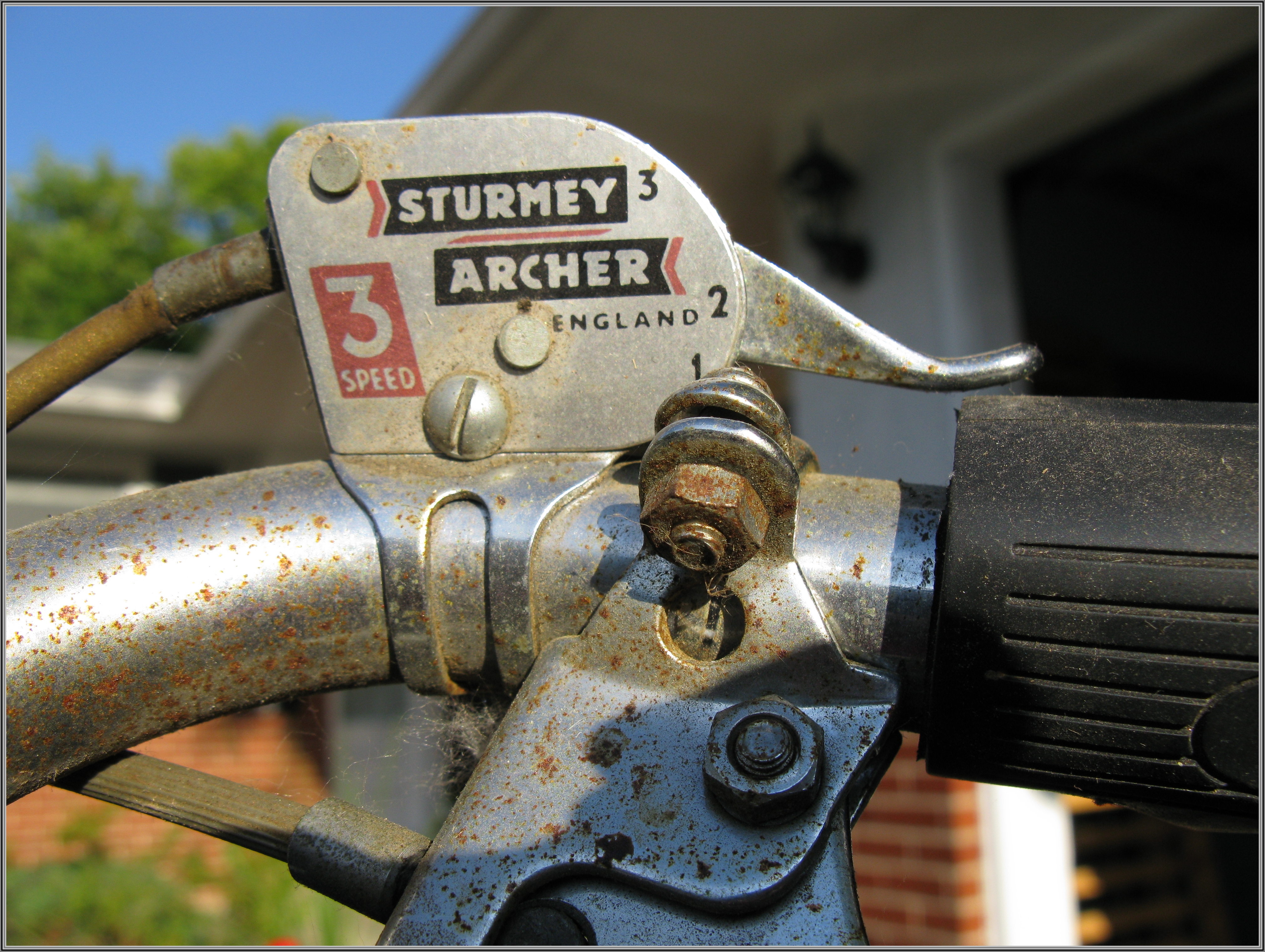
Image from Wikimedia Commons by http://www.flickr.com/people/theeerin/It did not occur to me for a single second that – when during the composition of my last post, (touching as it did upon the subject of my new bicycle) I described the Sturmey Archer three-speed rear hub with which the cycle that I was given in 1965 as ‘prehistoric’ – said engineering marvel might actually still be in production!

Discovering from the InterWebNet that this is indeed the case I was rendered what can only be described as ‘gob-smacked’!

Sturmey Archer was apparently established in Nottingham in the UK in 1902 as a division of Raleigh Cycles and production of their most ubiquitous model – the AW three-speed hub gear – commenced in 1936. For an extended period virtually every three-speed bicycle sold in the UK was fitted with a Sturmey Archer hub gear.

The company got into financial trouble towards the end of the last century and by 2000 was on the verge of bankruptcy. Following a period during which it appeared that the company would disappear without trace the entire assets were eventually sold to a Taiwanese company called SunRace, who moved the whole operation lock, stock and barrel to Taiwan.

Despite discovering that much of the machine tooling was obsolete SunRace persevered with production of the hub gears – and as of 2016 the famous three-speed AW model (amongst many others) was still in production.

Now – whereas I cannot for the life of me imagine what I am going to do with at least two thirds of the twenty four gears that I have on my new machine, I am mighty glad that I don’t still have to cope with the old three-speed hub gear.

But then – I am an old codger these days!

Wot she said…

Photo by Andy Dawson ReidOne of the means by which the Kickass Canada Girl routinely earns her sobriquet is her habit of achieving virtually all of that to which she puts her mind. This is a wholly admirable trait and one for which I am eternally grateful. There are as a consequence, naturally, occasions on which she has set her mind on something and it is best simply to step back and to bow to the inevitable (taking great care that if one attempts to step back and to bow simultaneously one does not fall upon one’s arse!).

A case in point concerns the humble (or not so humble in some cases) bicycle…

Photo by Andy Dawson ReidWhen The Girl transplanted her life to the UK – all those many years ago – she brought with her a bicycle. On occasion she would tax me on the subject of acquiring a similar means of conveyance myself – that we might go out riding together. My resistance to the suggestion – on the grounds that the rural roads in the proximity of our residence were both too narrow and over populated with testosterone charged motorists – was expressed with considerable vigour and she decided to let the thing rest… for the time being.

When we crossed the ocean in the opposite direction in 2015 the bicycle did not make the journey with us. It was ‘accidentally’ left behind! I doubt we could have fitted it into the container in any case.

Photo by Andy Dawson ReidWe had not long arrived on these shores, however, when – hankering to feel the wind in her hair (whilst also getting some welcome exercise) – The Girl decided that it was time to resurrected her former campaign. Given the wide open spaces, the broad roads and the abundance of clear air into which the testosterone can dissipate she was this time considerably more certain of getting her way. A small unexpected windfall furnished her the opportunity to declare that a trip to the bike shop was in order – with the inevitable result that we are now both the proud possessors of shiny new machines.

Photo by Andy Dawson ReidGiven that the last bicycle that I owned (in fact, the only bicycle that I ever owned) was a gift for passing the Eleven Plus exam (at the tender age of – well – eleven!) the reader will not be surprised to hear that things in the bike world have changed in the interim. Changed, indeed, beyond all measure! There is nothing particularly fancy about these machines. They really are pretty middle of the road (though the bike lane would be more appropriate… ho, ho!) but the twenty four gears on this bog standard bike (sixteen of which I have yet to investigate) make my old Sturmey Archer three-speed look positively prehistoric… which, of course, it was…

I do hope that the photographs that accompany this piece do not appear overly fetishistic! Boys and technology and all that…

Before/after

Now that our deck project is all but complete – bar a little making-good and top-coat paintery – I thought it might be interesting to have a final look at the ‘before’ and ‘after’ images.

We are not only delighted to have removed the dangerously rotting structure that was an add-on on to the back of the original house – to our mind the whole look of the property has been significantly improved. We have added an excellent al fresco space (just in time for the weather to turn really nice) and have re-connected the house to the garden (yard) by the addition of the external staircase.

Interested to know what you think…

Photo by Andy Dawson ReidPhoto by Andy Dawson ReidPhoto by Andy Dawson ReidPhoto by Andy Dawson ReidPhoto by Andy Dawson ReidPhoto by Andy Dawson Reid

Week six

As suggested in my post on Victoria Day, week six of our grand deck project was busy, busy, busy – with major progress being made on all fronts.

On the Monday the plywood deck was laid:

Photo by Andy Dawson ReidOn the Tuesday and Wednesday the vinyl installers applied the waterproof covering and our contractors installed the new sliders (patio windows):

Photo by Andy Dawson ReidThe Wednesday also brought a bevy of electricians who installed cables for lighting, re-instated our irrigation controller and put in a new feed for the hot tub:

Photo by Andy Dawson ReidPhoto by Andy Dawson ReidFinally – on a blazing hot Friday and working alone – a Vietnamese gentlemen installed all of the new soffits:

Photo by Andy Dawson ReidThe deck rails and glass panels should be done in week seven – with final detailing and painting still to be done – but one can already get a good idea as to how the whole will look:

Photo by Andy Dawson Reid


Intrepid

“That’s why the words “Let’s go!” are intrinsically courageous. It’s the decision to go that is, in itself, entirely intrepid.”

Tim Cahill

I made reference a couple of posts back to further personal news regarding the theatre/drama scene here in Victoria and promised an update in a post to follow shortly. Aiming to prove myself a man of my word… here it is!

Whilst in self-referential mode I would further draw the gentle reader’s attention to previous postings to this blog on the subject of the Victoria Fringe Festival (be patient – there is a  connection) to which The Girl and I are enthusiastic attendees. The fringe is one of three festivals hosted by the splendid Intrepid Theatre, who have been promoting theatrical events on Vancouver Island for some thirty years. Intrepid are clearly one of the major cultural players in Greater Victoria.

A couple of months back The Girl drew to my attention an item on the Intrepid website to the effect that the company was seeking interested parties to serve on their board of directors. Such board posts are – quite naturally – voluntary and though the ideal candidate would undoubtedly have experience in the area of fundraising (which I do not!) the main requirements would seem to be an enthusiasm for the theatre, some experience of involvement in similar non-profit endeavours and (as is the certainly the case for me) sufficient time on ones hands to be able to render useful service. At any rate, my progress through the interview and AGM voting stages went smoothly (as it did for two other neophytes) and Intrepid has gained a fresh batch of eager faced supporters for its board.

Formalities over, the first order of business was the twentieth incarnation of Intrepid’s ‘Uno Fest‘ – a feast of solo performances over a week and a half in the company’s two venues, the Intrepid Theatre Club and the Metro Studio. The board director’s main role in such events is to attend performances and to help to drum up support, as well as to volunteer to pick up and drop off performers at the airport or ferry port as they arrive and depart from Victoria. I attended five performances and ferried four of the performers. This latter ‘task’ is quite simply a delight. One gets the chance to chat to actors, directors and writers whom one might recently have seen in action (or be about to see).

The keynote opening performance – by Canadian theatrical luminary Daniel MacIvor – was entitled ‘WTF’ (What’s Theatre For) and was a thought provoking disquisition on why those of us who do make theatre – and why many of those who don’t attend it. I was lucky enough to be able to run Daniel back to the airport a couple of days later. He is a very interesting man!

It is immediately clear that involvement with such an excellent organisation will bring me into contact with many more of those involved in the theatre here in Victoria.

All good stuff indeed!

The small details

Image from PixabayMost of our lives aren’t that exciting, but the drama is still going on in the small details.

David Byrne

Looking back over my postings to this journal I observe that I have made no mention of my efforts in the field of drama – and in particular, youth drama – since September of last year. That is remiss of me – but such longueurs may swiftly be remedied.

I have – as anticipated in the aforementioned post – been running weekly drama sessions at the Saanich Commonwealth Centre since last September. The summer ‘term’ currently in progress closes at the end of June – bringing to a culmination a year’s worth of workshops. This is – therefore – a good time to cast an eye back and to gauge progress to date.

Sadly, this first attempt at setting something up for teenage thespists has not gone to plan. I have worked throughout this first year with a very small but quite variable group of youngsters, but it became apparent quite quickly that the venture would not develop in the manner for which I had hoped. The reasons for this are many and various:

  • the after-school time slot that we were offered was far from ideal – attracting in the main a casual ‘drop-in’ clientele rather than those with a specific interest in drama and performance.
  • due to a staff illness at the critical point initial publicity for the venture was practically non-existent.
  • a further mix-up resulted in the program being omitted from the spring and summer publicity materials.
  • Saanich Parks and Recreation – under whose auspices we have been operating – impose limitations for child-protection reasons on our administrative activities. We are not allowed to hold contact details ourselves for the young people and can only communicate with them though the Teen Centre workers. We are not allowed to use social media and the Saanich youth programming online presence is poor – not being updated during our first six months of operation. Running a youth theatre with such constraints on communication is extremely difficult.
  • Neither were we allowed to run our own publicity outwith the Saanich marketing department. This made ongoing recruitment extremely difficult.
  • The young lady who had helped me to set the program up decided at Christmas that she needed to focus her attentions on her studies instead and withdrew from the project.

This is all deeply disappointing and it has become clear that if I am to be able to create the sort of group that I have in mind I will need to do so elsewhere. I am, therefore, exploring the possibilities of so doing and have identified one venue that might be amenable. We have not as yet reached an agreement – such things inevitably take time – but I am yet hopeful.

I am happy to continue to teach classes at the Saanich Commonwealth Centre if there is an appropriate level of demand, but it seems very unlikely that these sessions would develop into the sort of performance based project for which I had hoped.

I do have other more positive news on the drama front – but that must needs wait for a subsequent post.

(There is no) Week four

Photo by Andy Dawson ReidOne of the episodes of my youth that turns out to have been somewhat less misspent than I feared at the time was the year that I wasted on devoted to a business studies degree course. Apart from the startling (to me!) realisation that business management was not going to be my forte, I thought at the time that I had not gleaned much of use from the experience. In retrospect – of course – this turns out not to have been the case.

One of the topics on the course that I did find to be of use later was a brief study of Critical Path Analysis (CPA). This fairly basic tool (developed in the 1950s for use on large US defence projects) provides a simple method of keeping projects on track by means of an analysis of the dependencies of the various component parts and the subsequent plotting of the eponymous ‘critical path’ through a multitude of processes to derive the optimum timeframe for delivery.

Though our deck project can hardly be compared in terms of complexity (or indeed of anything else) CPA techniques do provide some useful insights. Allow me to elucidate…
Our new deck has been framed, but nothing further has been done this week. Our contractor is rightly reluctant to lay the plywood deck on the frame until the vinyl installers are ready to apply the waterproof layer on top of it. A large flat surface of exposed plywood would rapidly absorb the sort of rain-showers we have been experiencing of late here in Victoria.
The vinyl installers can’t lay the vinyl until the old sliders (patio doors) have been removed. This is because the vinyl must be run under the new sliders in order that they effect a waterproof seal. The old sliders cannot be removed – somewhat obviously – until the new ones have been delivered (unless our whole main floor is to be exposed to the elements!).

The new sliders and windows are now on order, but that could only happen once the demolition had been finished such that the manufacturers could accurately measure the apertures.

Finally, the cabling for lighting and sockets, the deck railings and glass panels, and all of the other bits and pieces of finishing can only be applied once the deck itself has been completed.

Ergo – a hiatus…

Nothing to see here folks (quite literally with regard to the current view from our drawing room – see image above!).