I received in my mailbox just the other day an email circular from the medical practice with which I am registered. The communication commenced thus:
“Andrew,
Need a pap? If you have a cervix and are over the age of 25, get it checked!”
Now – I think that it is safe to surmise that this message was generated automatically. At least – that is what I going to assume because the alternative is that those professionals who operate the practice actually produced that missive without spotting the obvious – which would be worrying on many levels…
But then – why should we expect artificial intelligence to be any smarter than that on which it is modelled!
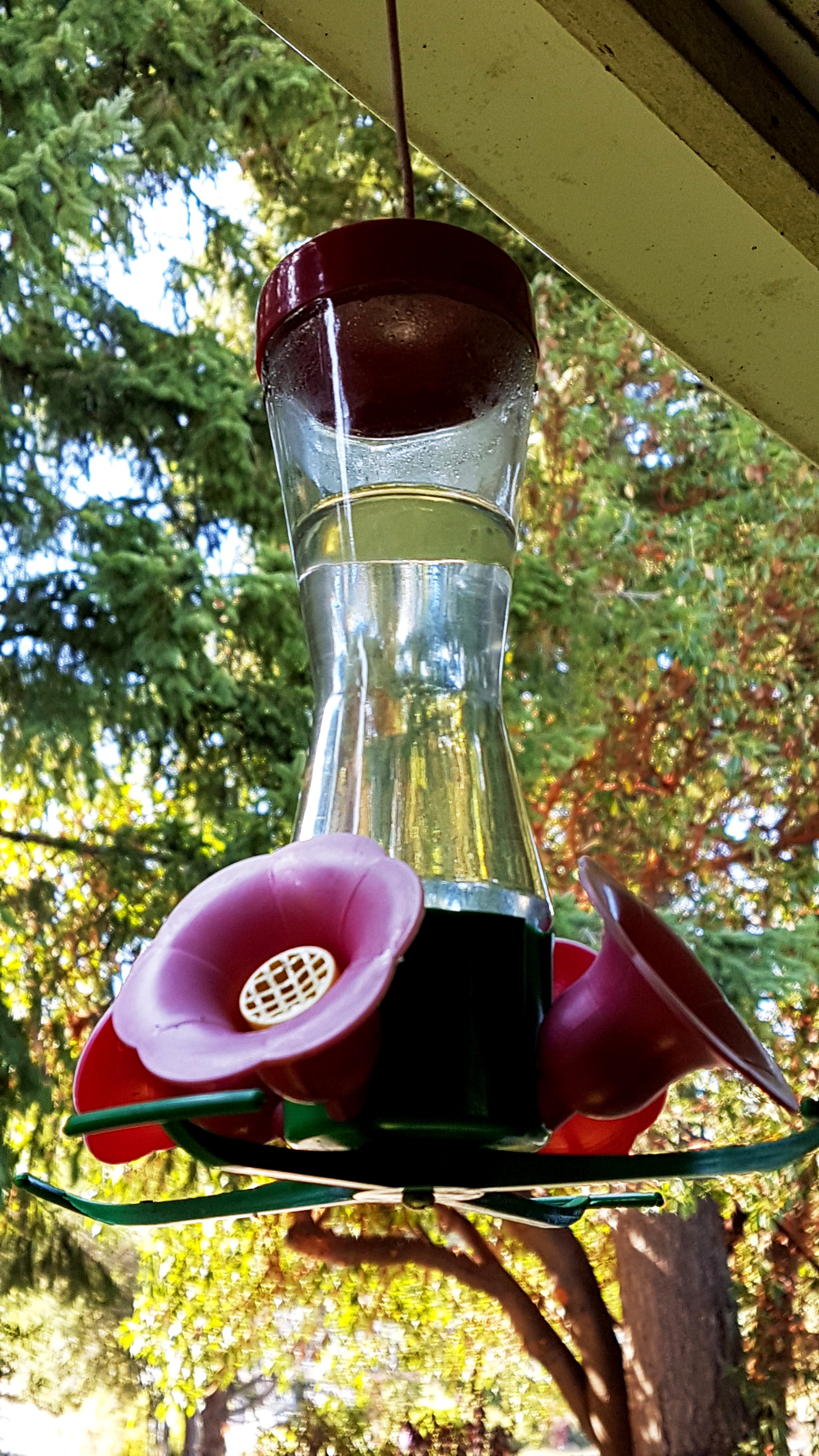
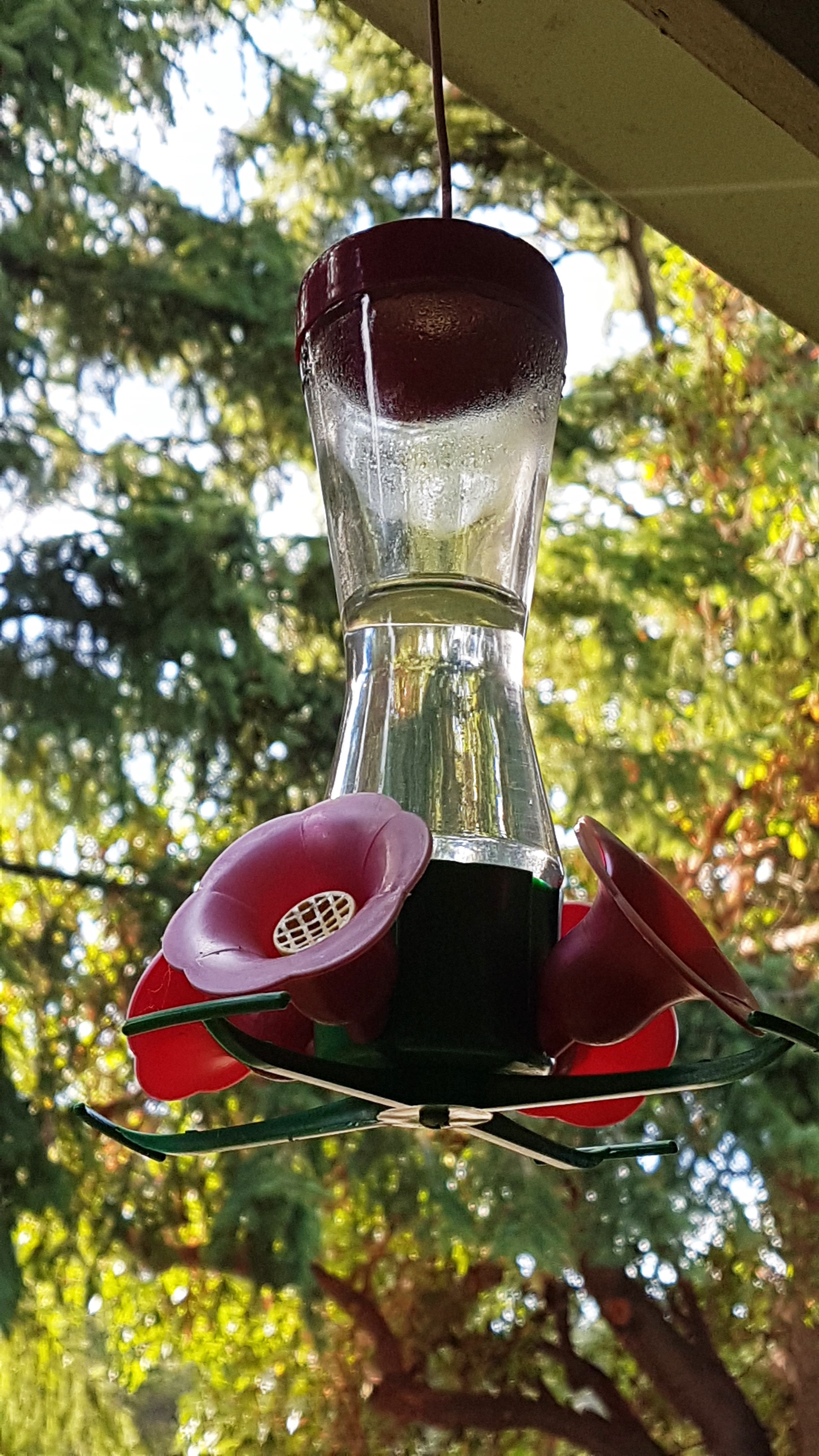
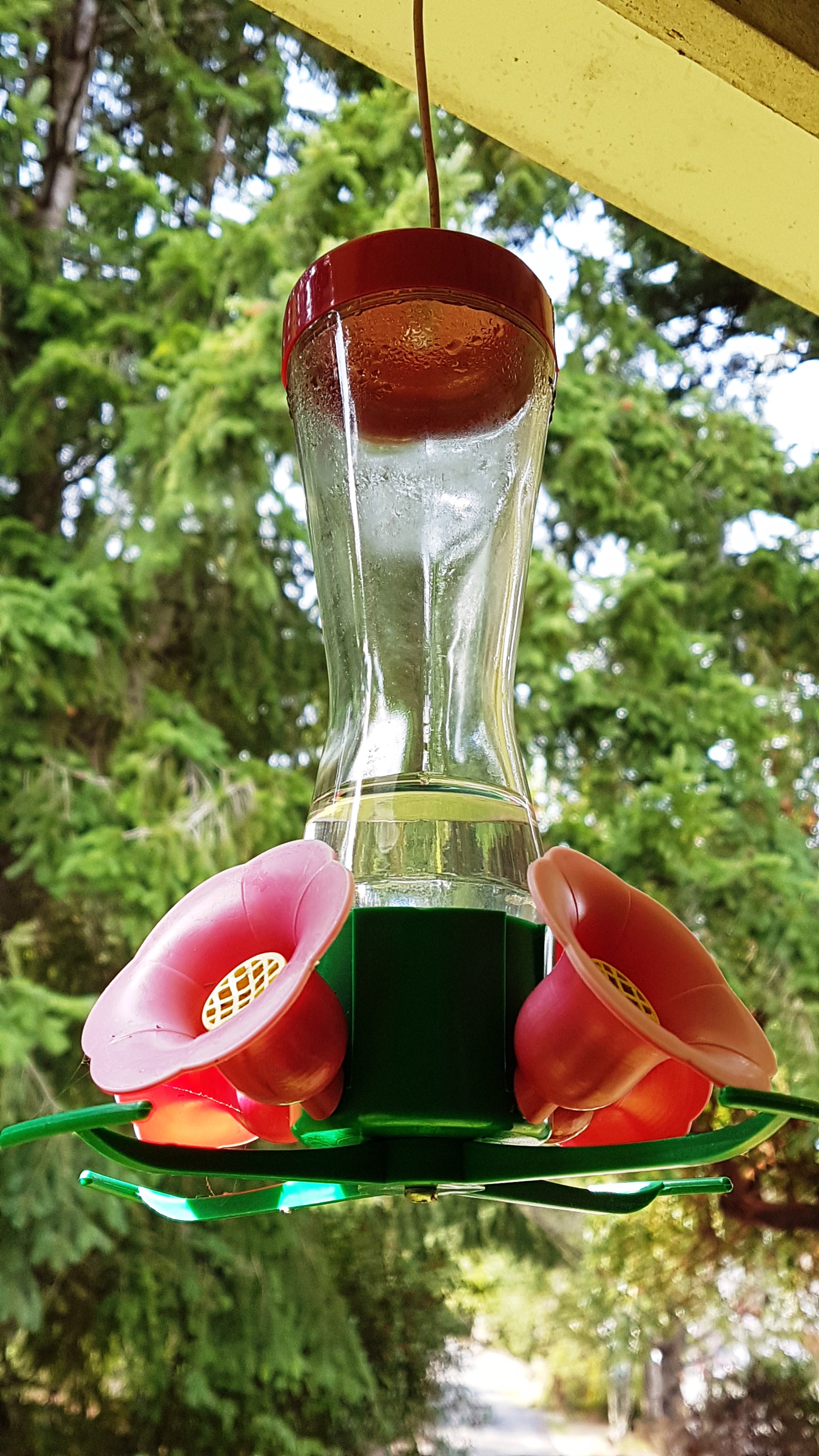
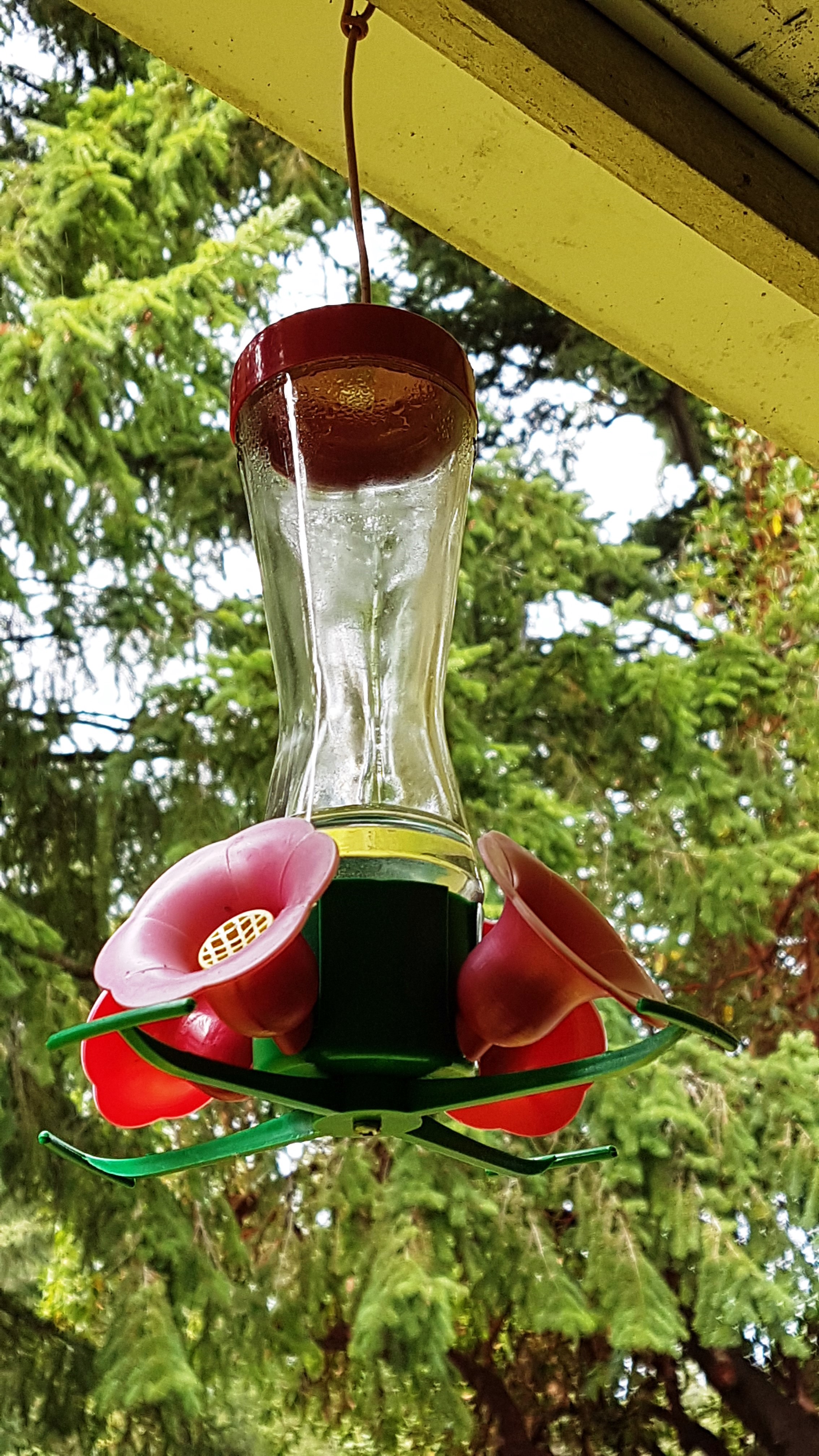
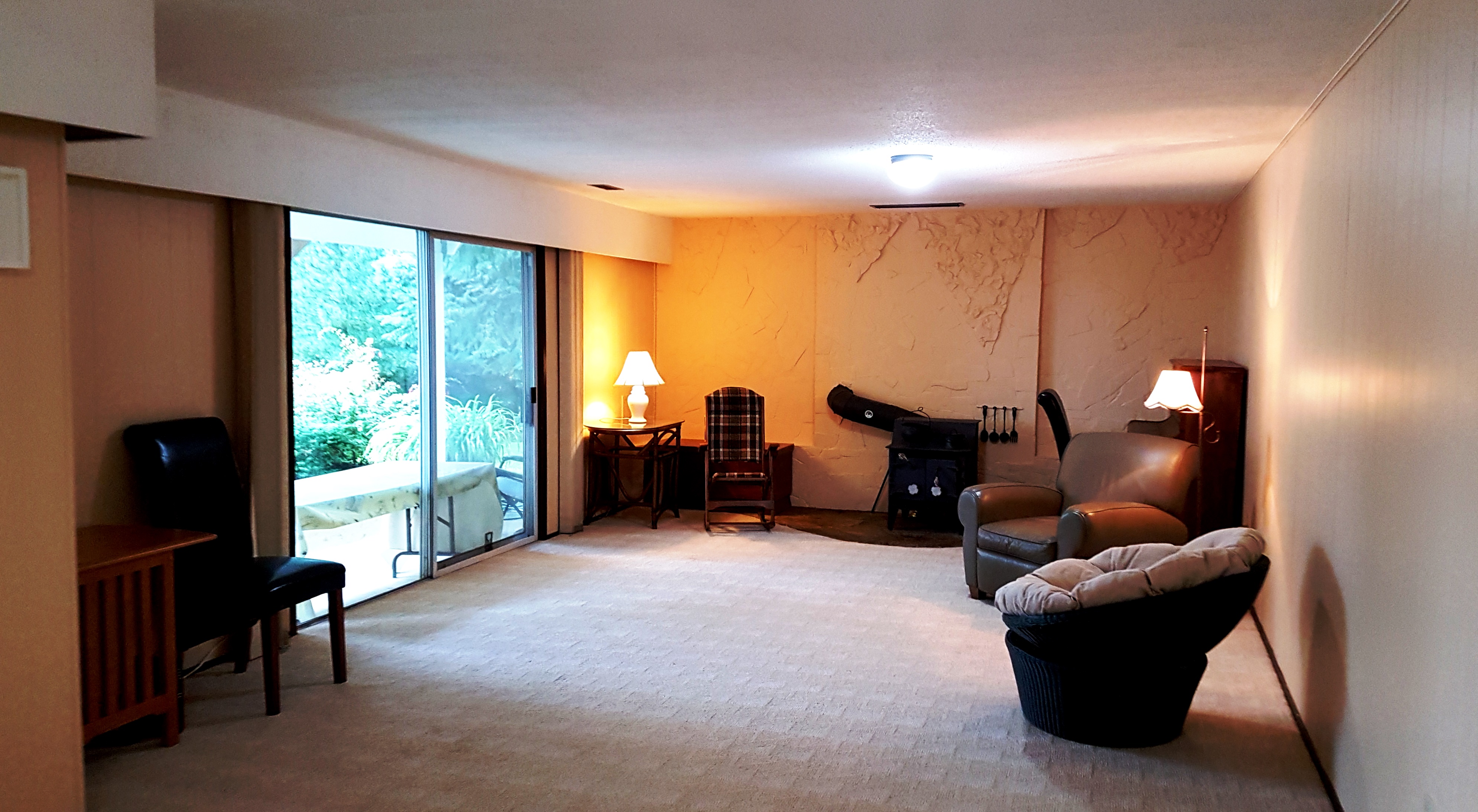
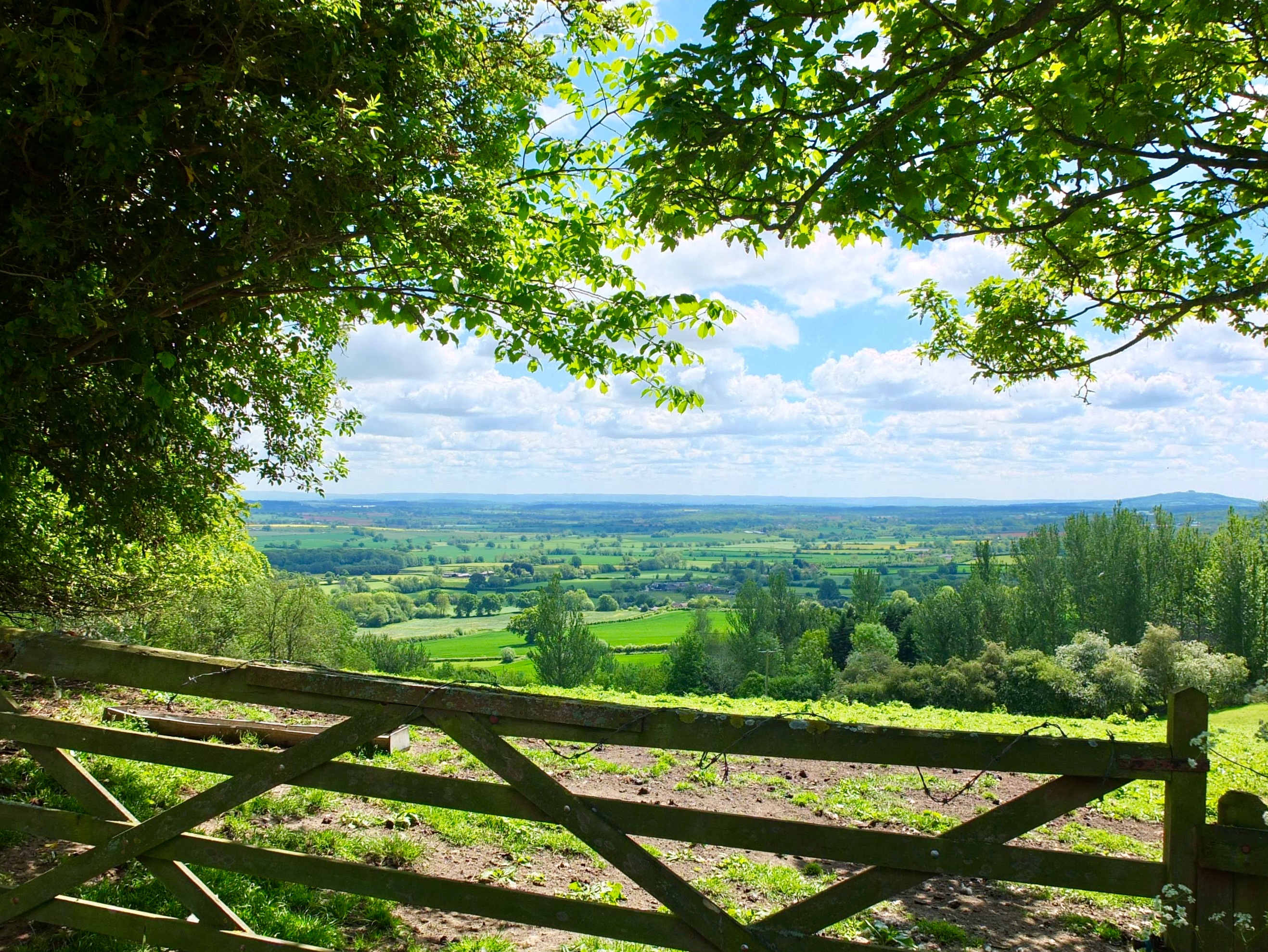
I thought I would post some images (before it was too late) of the relatively few remaining plants in our garden that have not been savaged by deer…
They are contrary ba**ards, these creatures. One year they are picky customers – turning their noses up at all manner of succulence. The next – they will (and do!) eat anything. If it’s green and has leaves – it’s lunch!
This makes planning a deer-proof garden almost impossible. If one is unable – as are we – to circle one’s little plot with a rugged deer-proof fence of some variety then one has little choice but to search out plants that deer don’t care to eat. That would be a good sight easier if they didn’t change their minds from season to season.
Purveyors of plants like to advertise particular combinations of perennials as being deer-proof. I think the deer just see this as a challenge.
“Doesn’t matter if I don’t much care for this – I am going to choke it down anyway just to make a point! Hah!”
Once one has reached the point of imagining deer internal monologues it is probably time to stop, though…
I watched on the BBC last night a deeply moving and thought-provoking documentary by journalist Peter Jackson – “My Journey Through the Troubles”.
The BBC website described the programme thus:
“In a uniquely personal journey on the 50th anniversary of the deployment of British troops in August 1969, reporter Peter Taylor reflects on almost a half century of covering the Northern Ireland conflict.
The programme is a highly personal account of the Troubles events and legacies, drawing on Peter’s experiences in reporting from Northern Ireland.”
Taylor has spent much of his long career in television. He was working at ITV on the current affairs programme – ‘This Week‘ – when the Troubles started and he continued his coverage of the conflict after moving to the BBC’s ‘Panorama‘ strand in 1980. He has also written eight books on political violence of which more than half concern or include coverage of the struggle in Ireland. He still continues to write and present documentaries – as evidenced by last night’s showing – as he approaches his 80s.
Gentle readers whose background is in any way similar to mine will have done their growing up – as did I – to the background of the Irish conflict. At times the Troubles seemed to us a distant and mysterious affair that featured on the TV news – like something occurring in a foreign country of which we knew little. At other times – such the various periods during the 70s, 80s and 90s in which the IRA extended their bombing campaign to the UK mainland (including the Guildford and Birmingham pub bombings, the Hyde Park bomb, the attempt to kill then Prime Minister Thatcher in Brighton in 1984 and the Baltic Exchange bombing in 1992) – it all seemed uncomfortably close to home.
The Brits were then a race, however, that had not long before survived the blitz during the Second World War. When I were a ‘nipper’ (little more than two decades after those tragic events) a fair bit of the east end of London still showed the scars and was yet to be re-developed. Nothing the IRA might do would long disturb the composure of a people that had truly seen it all.
With the end of the conflict in 1998 sealed by the Good Friday Agreement (GFA) memories of such atrocities began to fade. There have certainly been major terrorist attacks on the UK mainland since that time but – the 2005 tube bombings aside – we have not suffered incidents on the same scale. In the two decades since the agreement was signed it would seem that some in the UK have begun to forget just how terrible it was to live through such strife.
This is not the case in Ireland – of course – and Jackson’s documentary revealed anew just how raw many of the wounds from that conflict yet are. The GFA was not a one-off event, of course. It was merely the beginning of a long process that is still struggling to achieve completion.
It may be that the current UK regime under PM Johnson is simply posturing in an attempt to force an unlikely compromise from the European Union with regard to Brexit – but it looks to me dangerously as though some of the grim lessons of the past are being quietly forgotten or put aside. If that is truly the case then the potential prospect of another three decades of bloody violence could not be ruled out.
Yesterday I posted an item enthusing about Vancouver band – ‘The Fugitives‘ – who we saw live last week at Brentwood Bay.
I included in my post a link to a YouTube clip of a live performance of the band’s excellent track – ‘No Words‘ – with a strong recommendation to the gentle reader to view same. I also included a link to the band’s website.
Both of these links were automatically rendered in a satisfactory manner on the blog itself – the latter as a hyperlink and the former – rather pleasingly – as an embedded YouTube clip.
Rather elegant I thought…
However – for those who read these posts by email digest – whereas the hyperlink appeared in its usual manner the YouTube clip simply did not feature at all, rendering my reference thereto particularly pointless.
My apologies to email readers. If you follow this link you will find the video to which I referred.
…and talking of the Brentwood bay ‘Music in the Park’ (see last post)…
One of the things that has impressed us most since our arrival in Greater Victoria is the strength, variety and high standard of the local music scene. These posts have already been sprinkled generously with glowing reports of musical experiences that we have enjoyed hereabouts.
Our local ‘Music in the Park’ has played a healthy role in the provision of such new experiences, which – considering that it is an entirely free event that runs weekly throughout July and August each year – is a truly wonderful blessing. Yet again we acknowledge that we are extremely lucky folks.
The gentle reader – being no slouch – will by now have figured out that I am about to wax lyrical concerning some new musical ‘combo’ hitherforeto unknown outside these parts…
…and he or she would not be wrong!
On Wednesday a couple of weeks back I observed that that night’s entertainment was to be provided by an outfit called ‘The Fugitives’. The InterWebNet informed me that they are:
“…a Canadian Folk music group formed in 2004 in Vancouver….
…Fans and critics find the group difficult to classify—they have been categorized as slam folk, folk hop, and spoken word cabaret. The Georgia Straight called The Fugitives “wildly talented spoken-word artists”.“
This all sounded interesting, as did the description of their last album as being:
“…an album of dedications – the majority of which were written for people the band has never said a word to.”
Eager now to hear this fascinating music I followed a link to a live recording of their song – ‘No Words‘ – dedicated after his death to Leonard Cohen. This proved to be a mighty song and I was instantly hooked. In the belief that others might feel the same I do recommend having a look. Listen all the way through…
If the vocal breakout doesn’t send shivers up your spine then I fear for your medical condition!
It hardly need be said that the group – playing as a four piece that night – were excellent and that their harmony work was exceptional. The two leaders – Adrian Glynn and Brendan McLeod – are both gifted songwriters and I for one was grateful all over again for having been introduced to another as yet unknown (to me, anyway!) talent.
Should the gentle reader also be interested here be their website:
Well – I have posted a good number of missives since we returned to Canada in June – most of which concerned our recent trip to Europe. As a result I have been somewhat guilty of late of neglecting to keep the gentle reader up to date with the summer’s going on here at the southern end of Vancouver Island.
Time to catch up!
Weather-wise this has been a mixed summer thus far. There have been good days and there have been overcast, chilly days. There has not been much rain, however, so the garden has needed help.
I really liked this ‘end of the rainbow’…
Nothing has deterred us from lunching at ‘The Farmer’s Daughter’ – where they do a splendid plate of charcuterie and a decent variety of wine flights:
…or indeed from walking in Centennial Park:
We have also been regular attendees – as ever – at the Brentwood Bay ‘Music in the Park’ on Wednesday evenings and – though the temperatures have occasionally been on the nippy side and the winds blustered more than strictly necessary – we have enjoyed ourselves.
Note the detail from above. No sense in wasting good spinning time!
It has taken a good seven weeks since we returned from Europe to reach my last missive on the subject of our jaunt to the UK and to the Greek islands. In part this is because our experience over there was so varied and so rich (and I found I had taken so many photographs that I wanted to share) that it has taken this long to get all of my thoughts and all of the images organised for presentation. I hope that this extended rumination on our adventures has not too badly outstayed its welcome.
Anyway…
When in Athens…
…one must visit the Acropolis and see the Parthenon (along with much of the other antiquity on offer in the city). We hired a young archeologist to act as a guide and set forth under the blazing sun. Photographs were very much in order. Here are the barbarian hordes, storming the Propylaea.
The Acropolis hill hosts a number of major structures in addition to the Parthenon itself. This is the Erechtheion with its famous porch of Caryatids.
It is no surprise that the monument is under continual – and, nowadays, sympathetic – restoration. There are strict limits on how much non-original material is permitted in the rebuilding and the use of different shades of stone enables the casual visitor to understand what is reproduction and what is not.
The site also encompasses the Odeon of Herodes Atticus…
…which is still used for opera and concert performances – and the Theatre of Dionysus Eleuthereus, which is not.
The new (a mere ten years old this year) Acropolis museum lies outside the historical site itself, but has been constructed parallel to the Parthenon and with an interior core that is identical in size to the temple. Extensive use of reflective glass allows the Acropolis hill to be reflected on the outside of the museum, with sweeping panoramic views of the hill from the inside.
The museum site is itself of archeological interest and the building effectively sits on stilts above the ground, whilst glass floors and subtle lighting enable the visitor to view the excavations below.
The museum houses many of the precious artifacts recovered from the Acropolis site itself.
One of the most affecting displays is the recreation at the top of the building of the frieze that once surrounded the top of the Parthenon. This extraordinary work comprises a mixture of original carvings and new stonework reproductions. These are clearly delineated so that one can gauge how much (or little) of the original frieze remains, how much has been destroyed – and how much removed to collections in other parts of the world. The majority of the latter – of course – include that extensive number that were removed to London and make up the bulk of the so-called Elgin Marbles in the British Museum.
It as truly startling to see just how much material was plundered from the site and carried away in this manner.
“An Aristotle was but the rubbish of an Adam, and Athens but the rudiments of Paradise.”
Robert South
Athens, Athens… what can I say of Athens?
At the end of our Greek island cruise we had a couple of days in Athens, a city that neither of us had previously visited but both were eager so to do. I will, naturally, dwell upon such cradles of antiquity as the Acropolis and the Parthenon in another missive, but those aside our few brief days were just a whirlwind of wonderful impressions. That being the case I felt that I might simply try to pass on to the gentle reader a similar excess of imagery. In the words of Elias Canetti:
With regard to the announcement of the election by the tory party of the next Prime Minister of the United Kingdom, I have (at this point) but one observation to make:
It is desperately sad to think that this once great nation has fallen this low!
One of the main reasons for our choice of cruise line for our recent adventure in the Cyclades was that we wanted to visit Ephesus. As a result of recent political tensions between Turkey and certain other nations many of the larger cruise companies have of late eschewed the customary stopover at nearby Kuşadası – thus ruling themselves out as far as we were concerned.
On Ephesus the ever resourceful Wikipedia offers us this:
“Ephesus was an ancient Greek city on the coast of Ionia, three kilometres southwest of present-day Selçuk in İzmir Province, Turkey. It was built in the 10th century BC on the site of the former Arzawan capital by Attic and Ionian Greek colonists. During the Classical Greek era it was one of the twelve cities of the Ionian League. The city flourished after it came under the control of the Roman Republic in 129 BC.
The city was famed for the nearby Temple of Artemis (completed around 550 BC), one of the Seven Wonders of the Ancient World. Among many other monumental buildings are the Library of Celsus, and a theatre capable of holding 25,000 spectators.
Ephesos was one of the seven churches of Asia that are cited in the Book of Revelation. The Gospel of John may have been written here. The city was the site of several 5th-century Christian Councils (see Council of Ephesus).
The city was destroyed by the Goths in 263, and although rebuilt, the city’s importance as a commercial centre declined as the harbour was slowly silted up by the Küçükmenderes River. It was partially destroyed by an earthquake in AD 614.”
But enough of the chit-chat… what you want is the pictures! Here they be!
Our excursion included the ongoing archeological dig on the site of the astonishing ‘Terrace Houses’ – luxury ‘apartments’ cut into the hillside (so as to keep them cool!). These featured central heating, plumbing and all mod cons.
Recent Comments