web analytics

A place in the sun

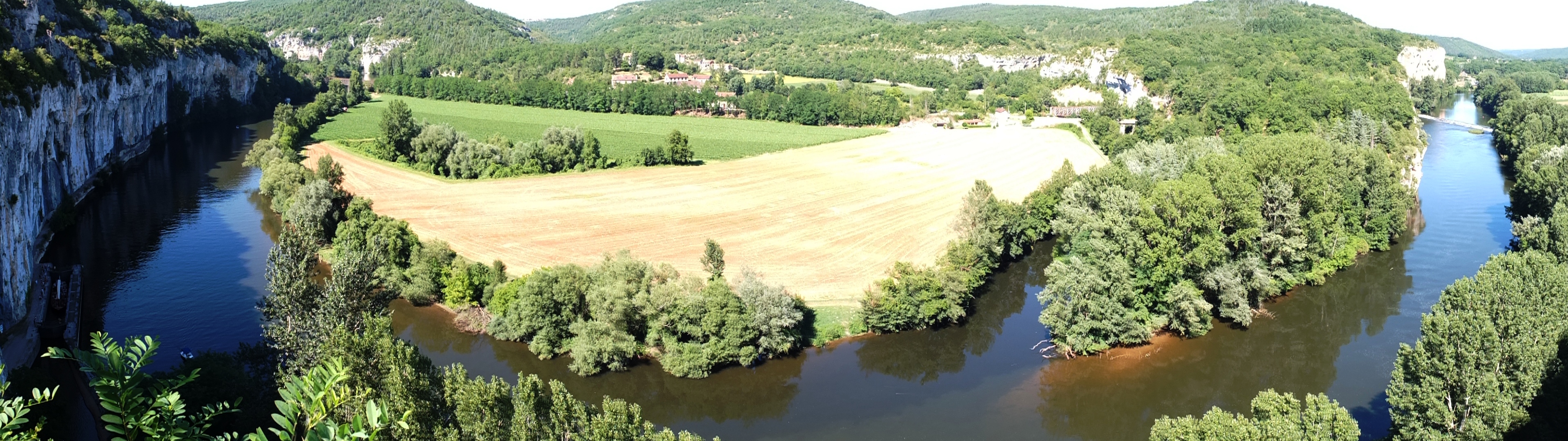
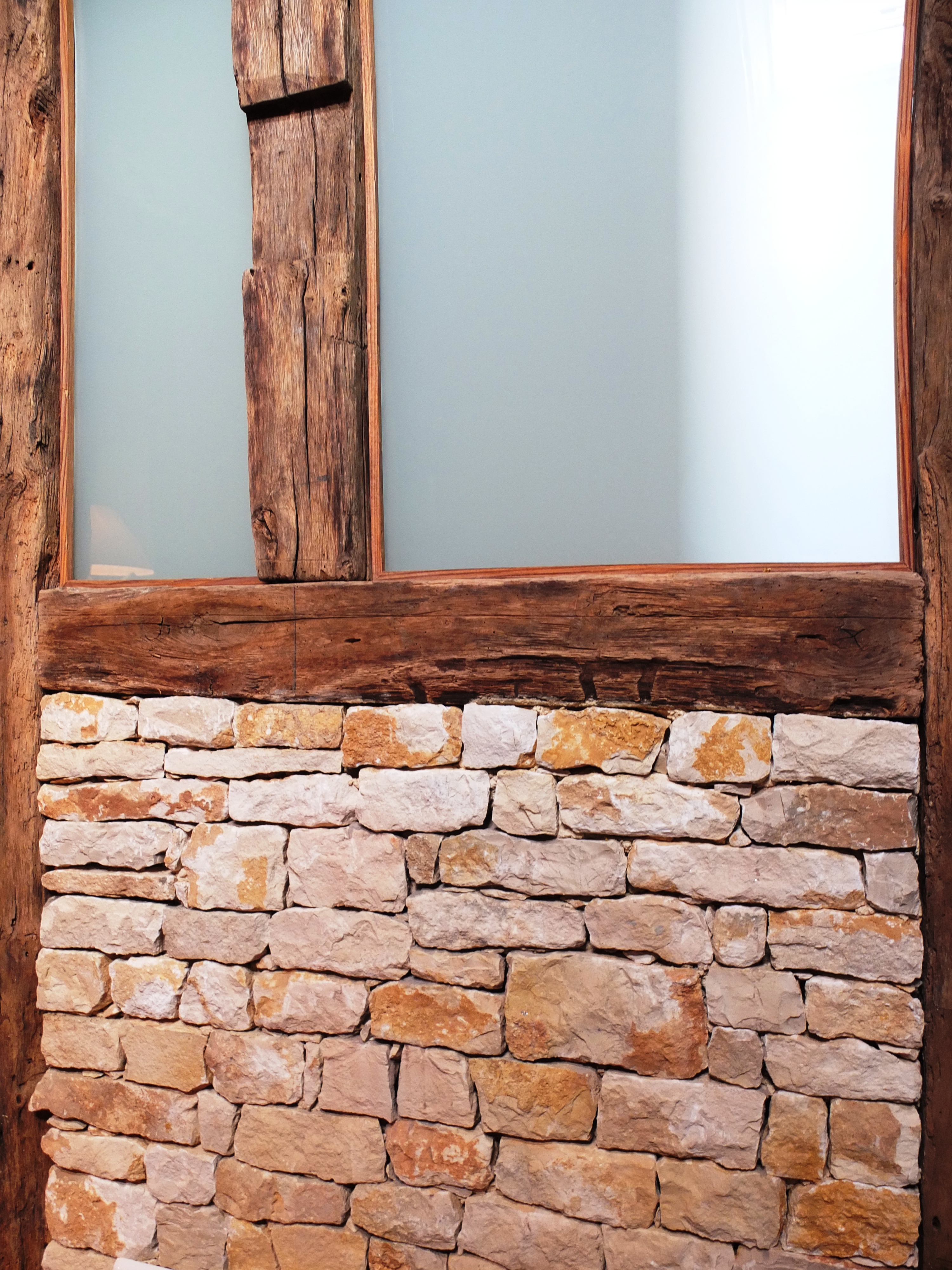
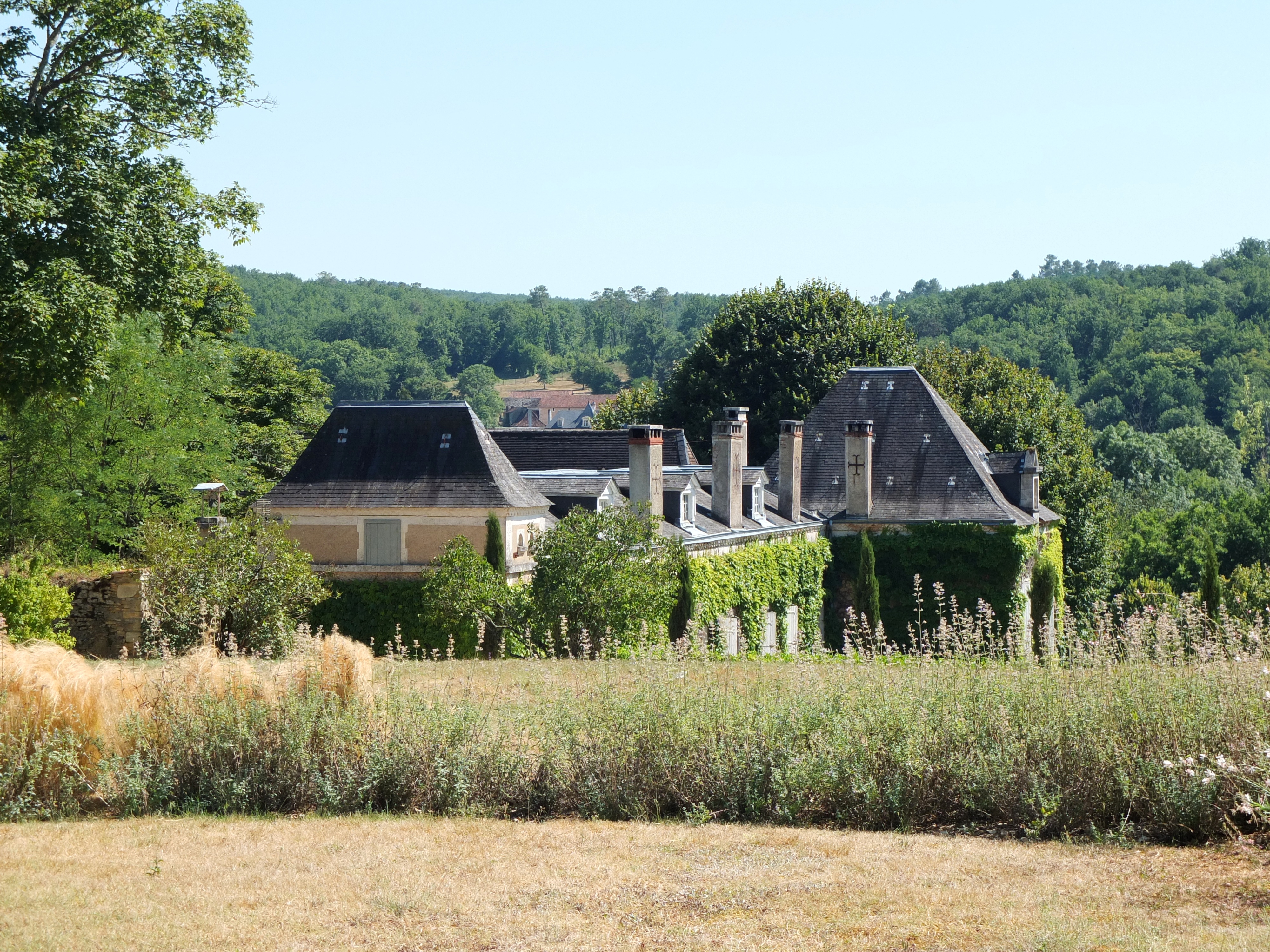
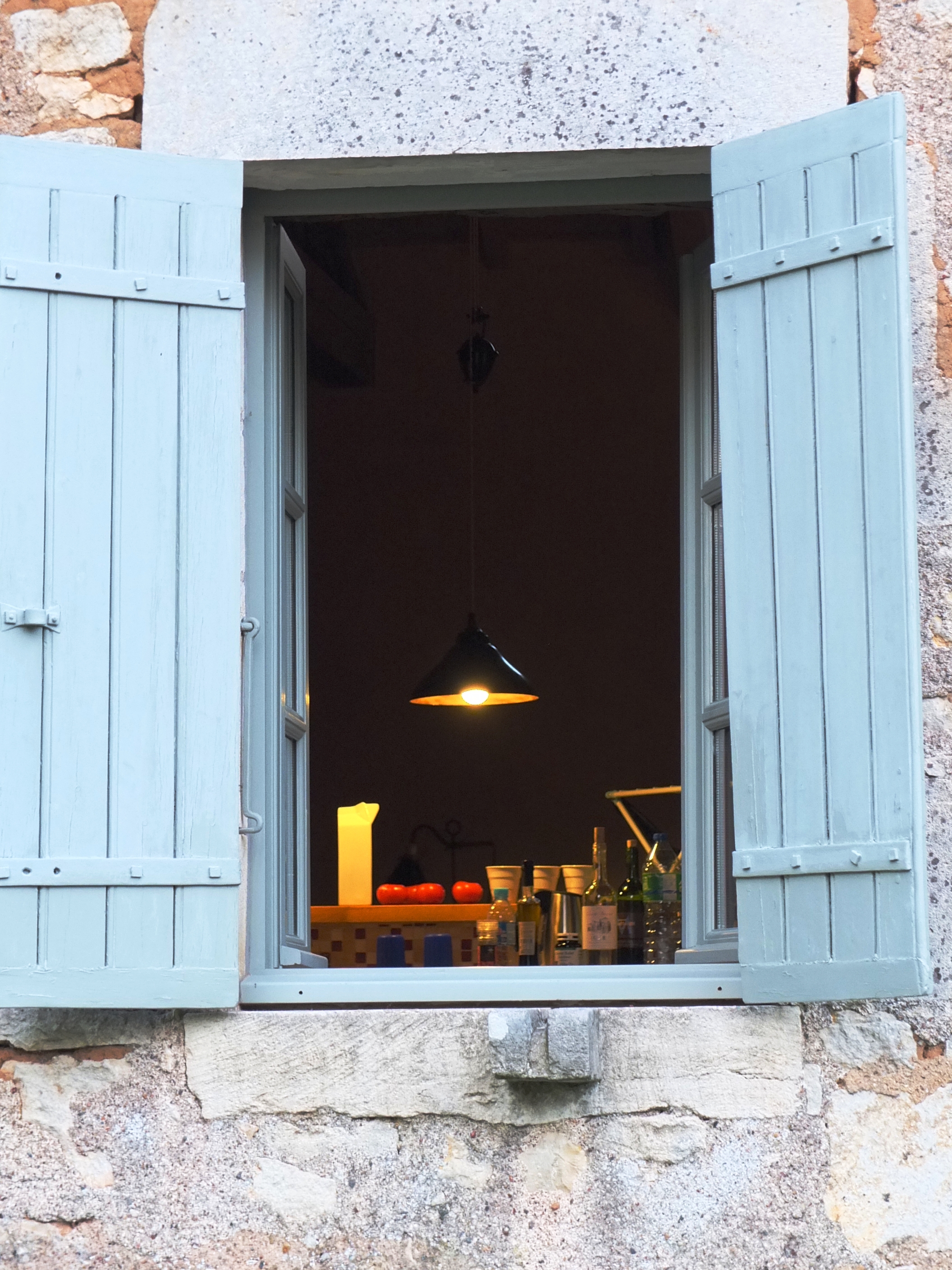
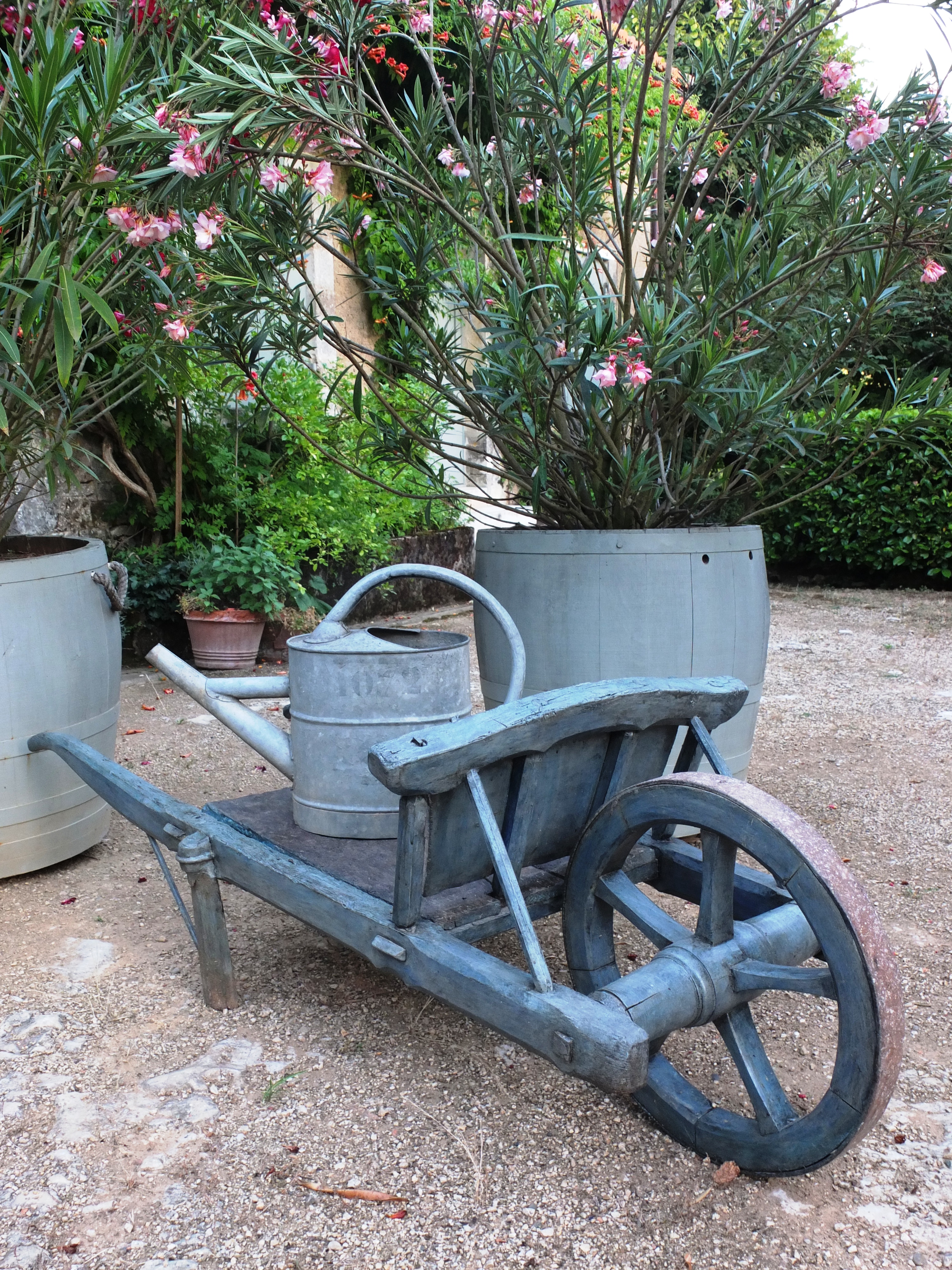
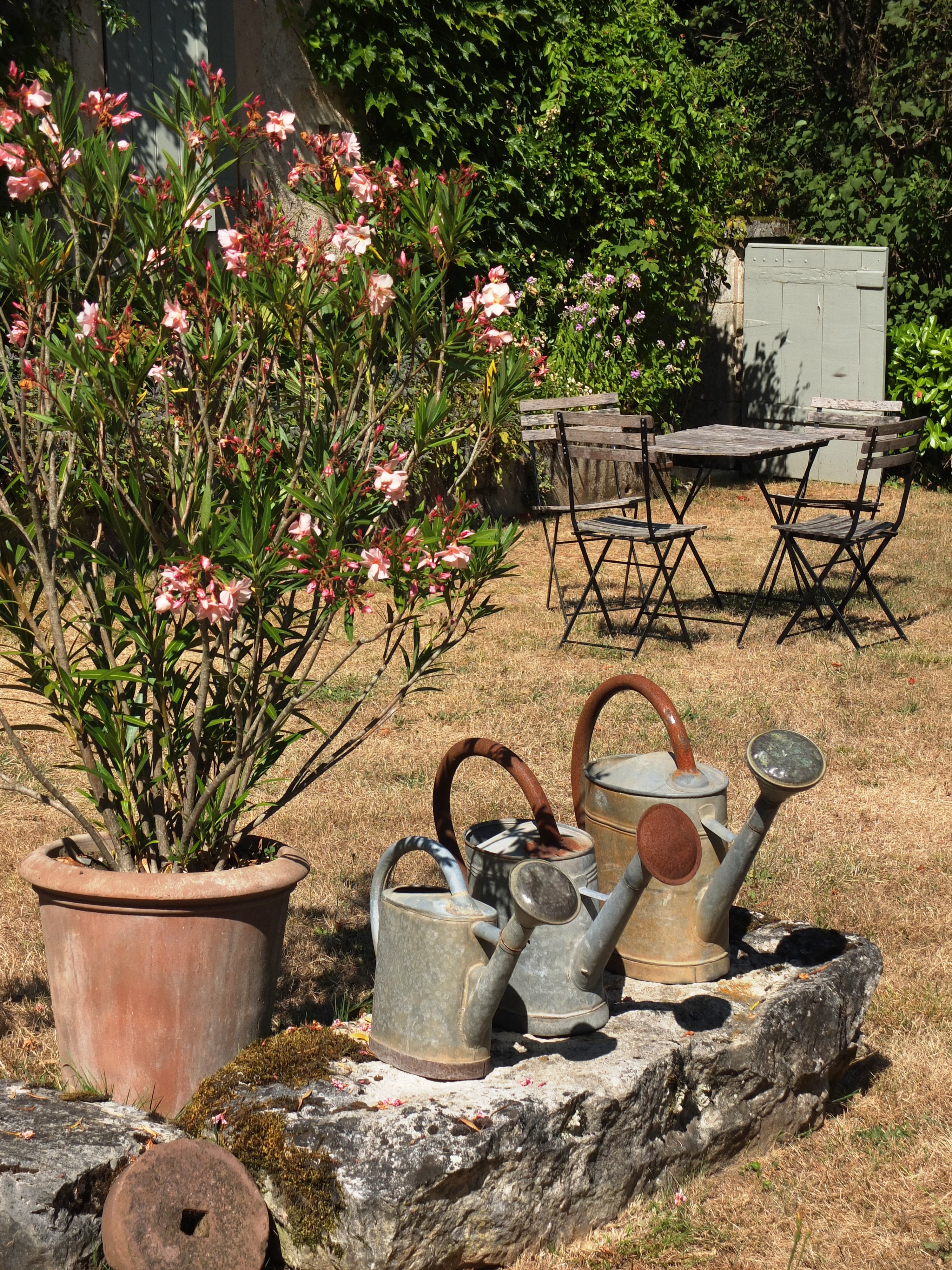
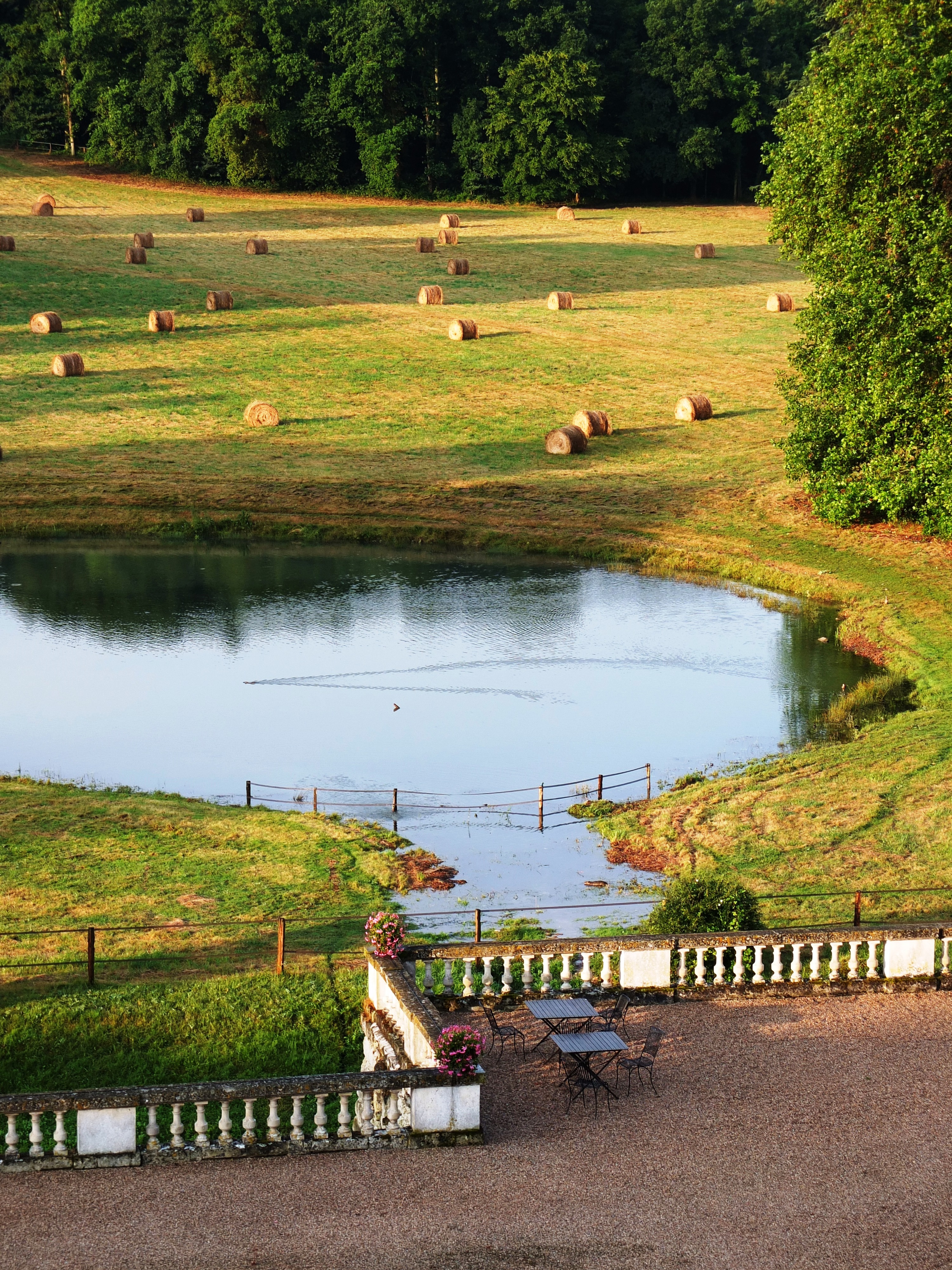
For our recently (and most sadly!) concluded sojourn in the Perigord we stayed in a beautiful apartment at a wonderful old manor house not far from Périgueux. Our hosts there – Catherine and Maxence – go out of their way to make their guests feel welcome, to the extent of introducing them to – and involving them in – the delights of life in the small village that is their home.  The house is called Le Maine and I encourage anyone seeking a tranquil and delightful stay in the region to investigate. We were in ‘La Cuisine d’Alice’ and we loved it! I can’t recommend it highly enough…

Herewith some images – although those on the site above (taken by Catherine – a professional photographer!) do the house and grounds considerably greater justice than ever I could.

Photo by Andy Dawson ReidPhoto by Andy Dawson ReidPhoto by Andy Dawson ReidPhoto by Andy Dawson ReidPhoto by Andy Dawson ReidPhoto by Andy Dawson ReidIn addition to being a professional illustrator, Maxence (who teaches art and who also curated a splendid exhibition of Perigordine artists – to the opening of which we were invited) plays a mean harmonica! On our first night in the village he enticed us to the tiny but ‘happening’ local bar – Le Cube – where a completely splendid Anglo-French duo called Buckshee entertained us to a wild evening of French, Irish, Cajun, bluegrass, swing, rock and roll, calypso and soca musics. Great and sweaty fun!

The band’s website gives some idea as to their multi-instrumental capabilities. Not content simply to display their own array of talents they invited a local English lad (who is blessed with a great swing voice!) and Maxence onto the tiny ‘stage’ area to belt out a stomping version of Van Morrison’s ‘Moondance’. No photo could do this justice. This is a close as I could get…

Photo by Andy Dawson Reid


The journey south

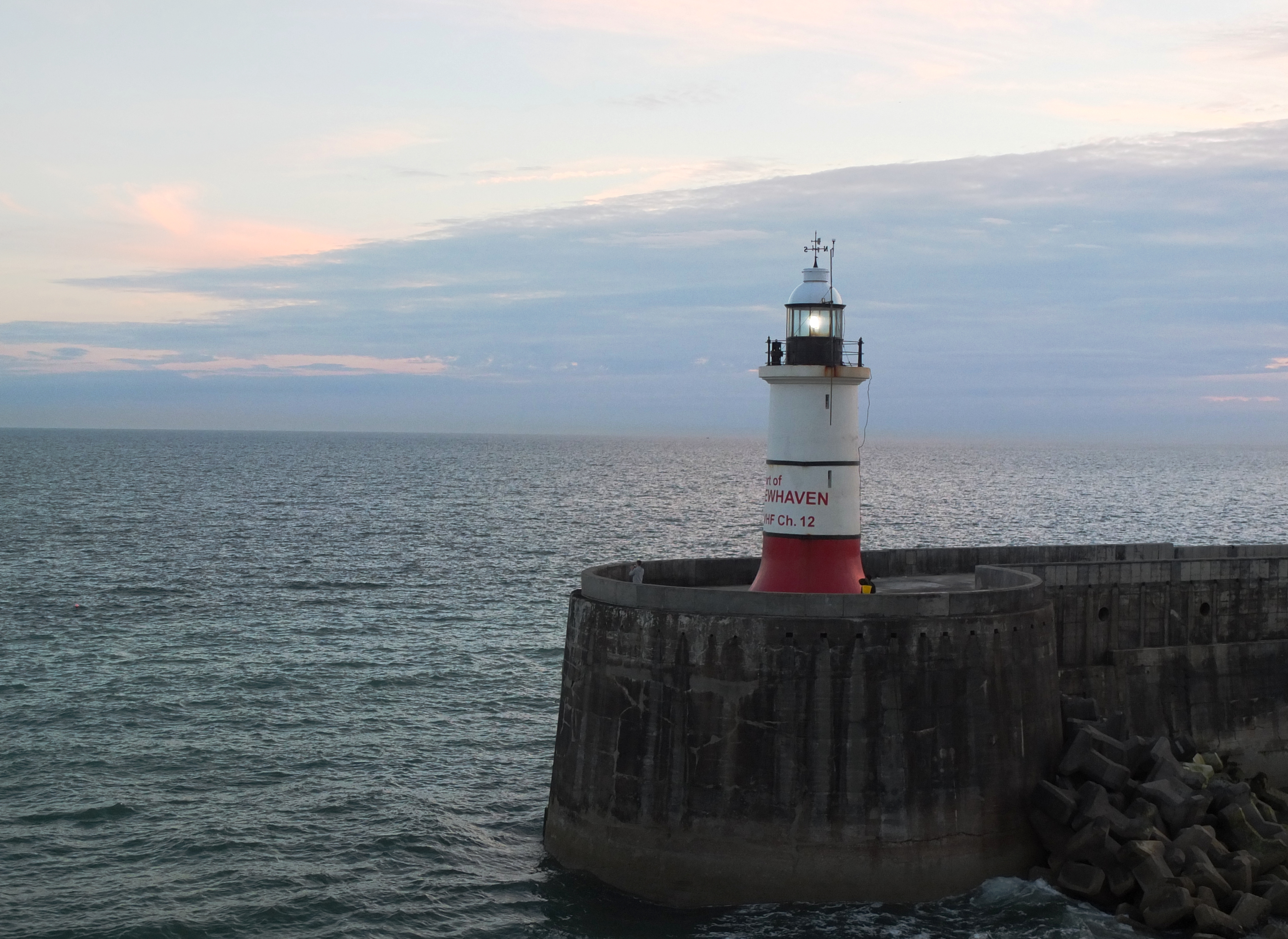
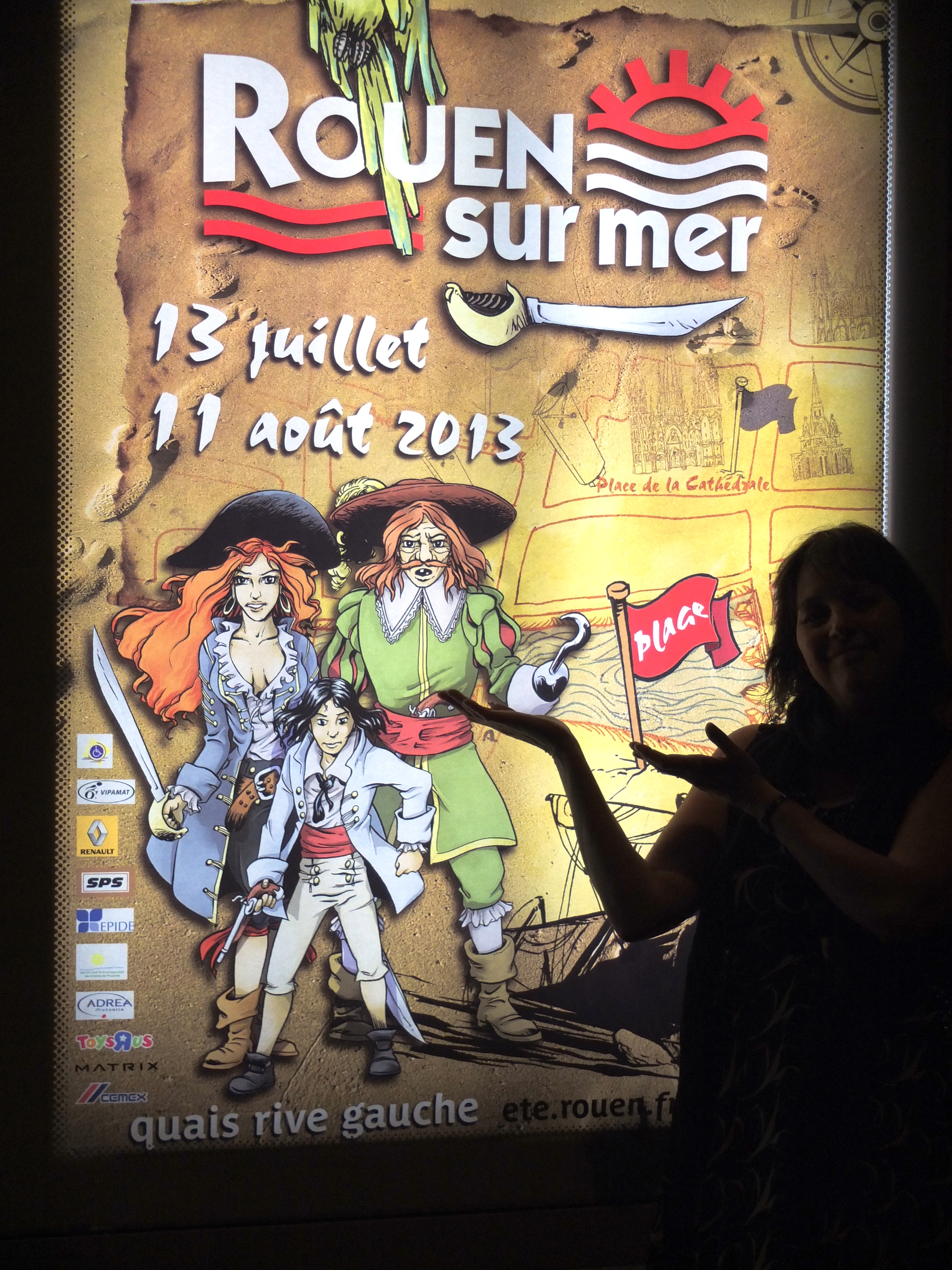
Herewith some images captured with the trusty x10 as we made our way south through France. Just off the ferry from Newhaven to Dieppe (a crossing that I had not previously tried but which was really most easeful – not to mention being as smooth as a millpond on this occasion) we spent a night in Rouen:

Photo by Andy Dawson Reid

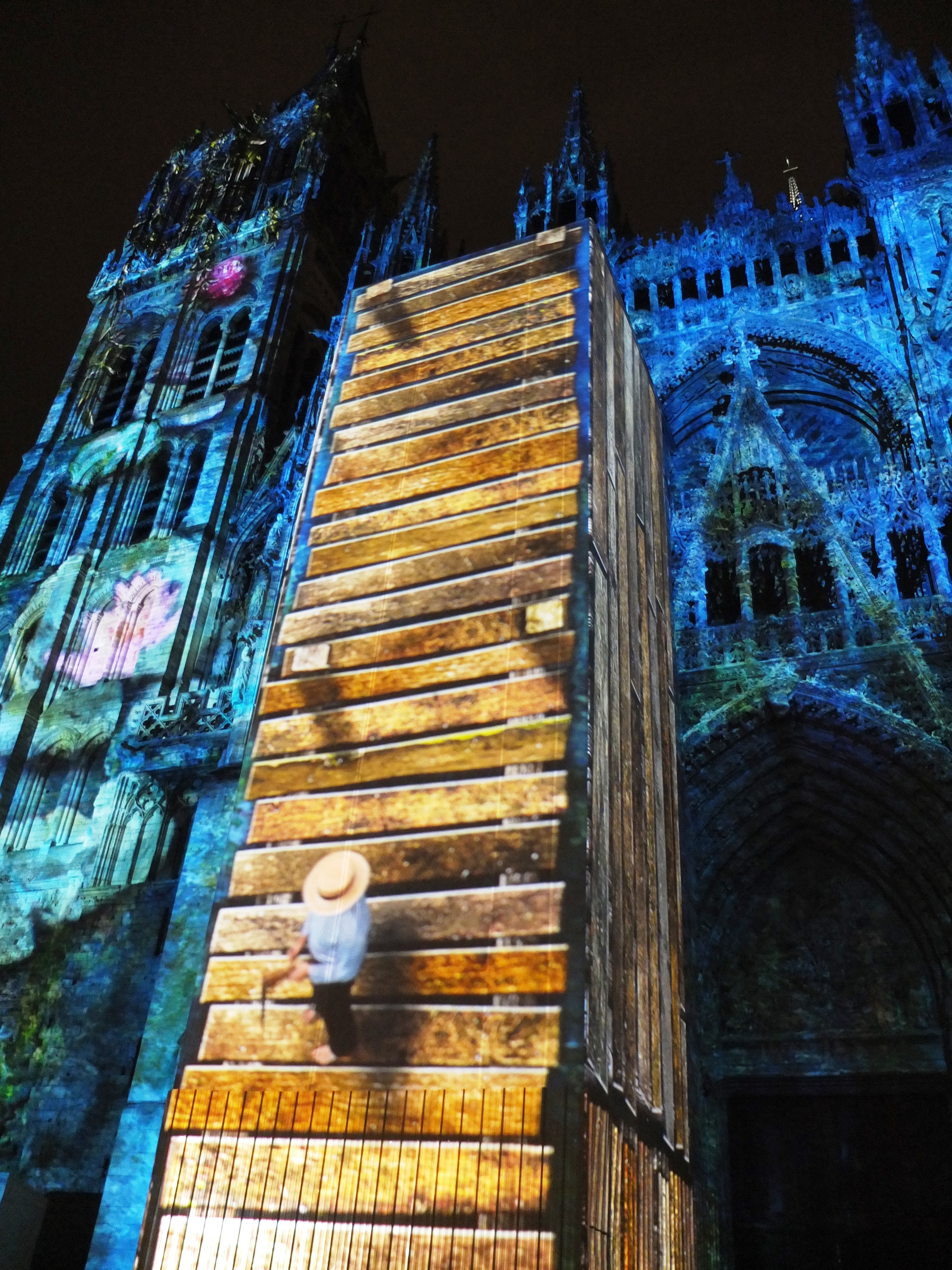
…where we witnessed a splendid Son et Lumiere projected onto the frontage of Rouen cathedral – inspired by the works of Monet.

Photo by Andy Dawson Reid

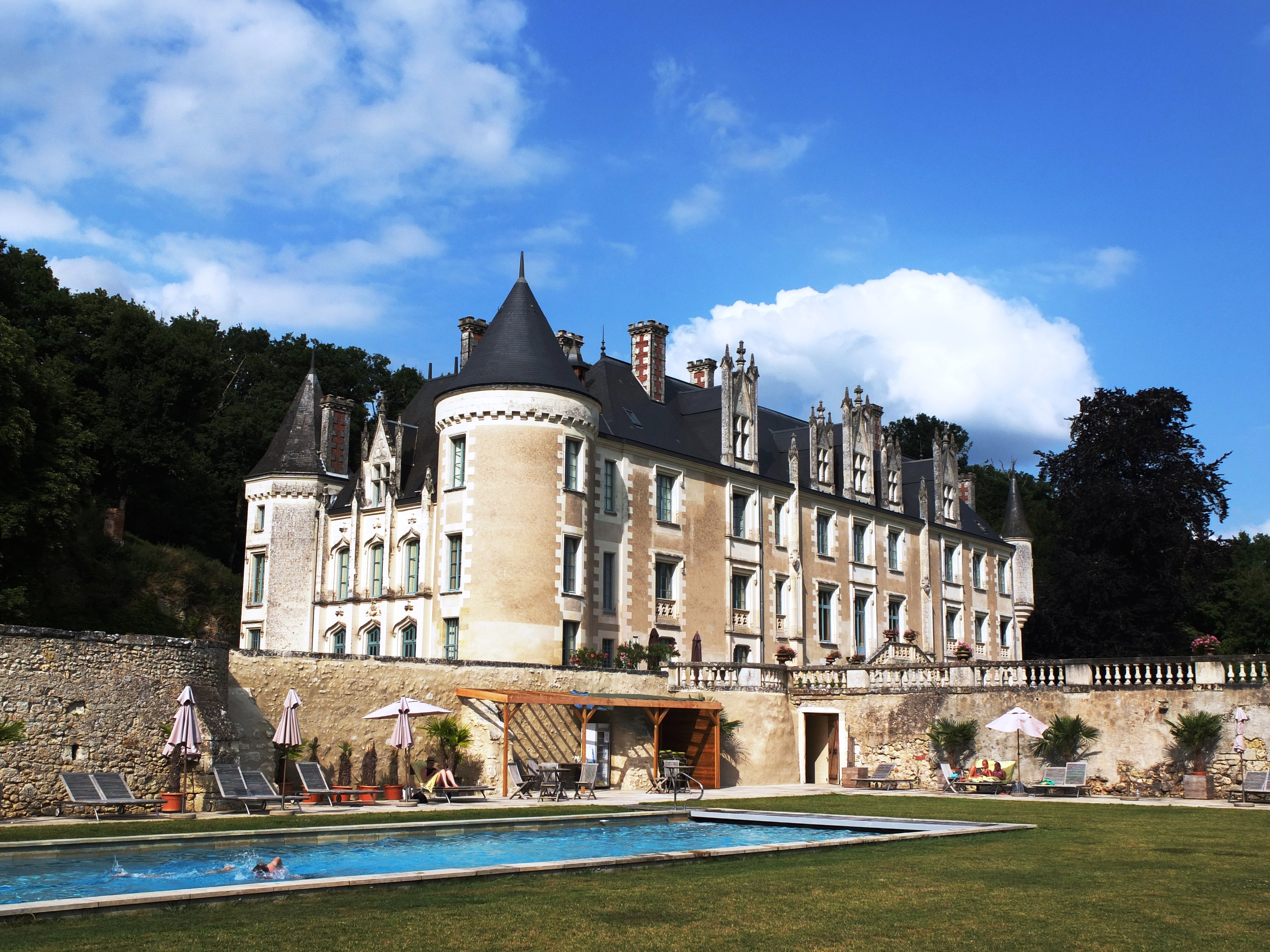
On the second night we stayed in the Loire Valley at the Chateau des Arpentis. For a B + B this is one pretty cool place – and one which we loved!

Photo by Andy Dawson Reid

Photo by Andy Dawson Reid

Photo by Andy Dawson Reid

Photo by Andy Dawson Reid

The evening was completed by a wonderful al fresco dinner at Les Closeaux near Amboise.

Photo by Andy Dawson Reid

The next day saw us in the Dordogne. More to follow…!


Atlas Obscura

atlas obscuraWhilst searching the ever wonderful InterWebNet for items on the raven as trickster in North American First Nations cultures I came upon this article. The piece itself is brief, but acted as an introduction to this totally wonderful and unknown – to me at any rate – website… the Atlas Obscura.

Every so often one comes across something so splendid and beautifully executed that one simply has to share it. I have added this to my blogroll so that you can pay repeated visits whenever you so desire… which is exactly what I intend to do myself.

Enjoy!


Like…

Facebook_like_thumbSitting in the cafe at Bath Spa the Sunday before last indulging ourselves in a spot of post-detox lunch (one feels so much more virtuous entertaining a large glass of something white, crisp and chilled when one has just purged oneself for an hour or so in the sultry muculence of the steam rooms!) – the Kickass Canada Girl and I found ourselves sharing the ambience with the group at the next table. We had little choice in the matter since the table in question was occupied by a gaggle of raucous teenage girls!

I suppose it is an established fact that the majority of those who avail themselves of the facilities offered by these temples to the body beautiful are members of the gentler sex. This has certainly been my observation, and at Bath last week there did seem to be a preponderance both of groups of ladies of a certain age – doubtless on other occasions to be found lunching – and of throngs of turbulent teenagers. The Girl offered some pithy thoughts as to why these young shemales might feel the need to be quite so strident but I can’t really repeat them here for reasons of propriety.

Given that it was impossible to avoid overhearing the ‘conversation’ (though it is doubtful that such verbal exhibitionism could ever really be construed as an ‘informal interchange of thoughts, information, etc., by spoken words’ – as the definition has it) I found myself somewhat bemused by what was actually being said. Though the group as a whole seemed only too eager to demonstrate their linguistic limitations, the loudest of the three – the one sitting closest to us, naturally – appeared also to be trying to displace the definite article from its preeminence in the lexicon to be replaced by that which – according to a study by the OED of the Oxford English Corpus – is ranked no higher than fifty fourth.

I refer – of course – to the word – ‘like‘!

The dictionary definition of ‘like‘ runs thus:

      – of the same form, appearance, kind, character, amount, etc.

The Urban Dictionary adds these alternatives:

      – a term used by many junior high and high school students for having a crush.

      – in some teenage girls, a word spoken in between other words in a sentence.

      – the same as “said” or “spoke”.

The first is obvious. An example of the second might be:

      “Like, oh my God, that is, like, so wrong.”

…and the third:

      “So I was like, ‘duuuude’ and he was all ‘baaaabe’.”

Now – listening to someone inserting ‘like‘ between every third or fourth word in a sentence may set the teeth on edge in much the same way as does being subjected to the sound of fingernails on a blackboard – or indeed to the Brummie accent* – but nothing raises my hackles quite as effectively as this latter substitution. If one really must find an alternative to “said” – and is not prepared to do without it entirely – then the InterWebNet will happily furnish some hundreds of possible alternatives. None of them is – ‘was like‘!!

What I find most puzzling, however – given that these self-regarding youths undoubtedly pick up such linguistic tics from their favourite Hollywood movies or TV shows – is that they should have fixated on a meme that is getting on for a decade old.

I didn’t think that Bath was that far from the capital!


* Apologoys ter brummoys fer anny offence. Cor resist a cheap gag!

Photo play

Subsequent to the long, dark days of winter it was good once again to be able – on our recent visit to Bath – to look for opportunities to capture some playful images with the Fuji X10. I hope that the gentle reader will indulge me if I post a few more of them:

 Photo by Andy Dawson ReidPhoto by Andy Dawson ReidPhoto by Andy Dawson ReidPhoto by Andy Dawson ReidPhoto by Andy Dawson ReidPhoto by Andy Dawson Reid

Lovefilm – Hatecinema!

film-70638_640Regular readers of this blog will know that the Kickass Canada Girl is a huge film buff. More than that she is also a great enthusiast for the whole cinema-going experience – VIP seats – buttered popcorn – the whole shebang! Before moving to the UK she was a frequent and regular visitor to her local multiplex and it didn’t much matter (within limits, naturally) what was showing. She just loved the whole adventure.

When the Girl arrived in the UK she hoped to replicate the experience here, but her efforts to that end were hampered by two discongruous factors. The first – that cinema-going in the UK is simply not on a par with its North American counterpart – might just have been overcome had it not been for the second – which is that I am quite the lousiest person with whom to share a visit to the palace of dreams.

It’s not that I don’t like films. I do – though I am, it must be admitted, what might be considered a ‘picky customer’. I would claim rather that I have high standards – but let’s not fall out over such niceties.

No – the problem is that I don’t much like going to the cinema. To be precise – and at the risk of coming over as exactly the sort of irritable old f*rt that I indubitably am – the real issue is that I don’t much like other cinema-goers. There’s more to it than that – of course – but a visit to the movie house rarely leaves me with a warm glow where my fellow man is concerned.

The Girl and I visited the cinema over the Easter weekend – to see ‘Side Effects’ as it happens (not bad at all – picks up appreciably in the third act – but I still don’t care much myself for Soderbergh’s signature ‘distance’). I pretty much missed the first twenty minutes or so, however, because I was struggling to get over the effects of the ‘pre-film’ to the point that I could achieve the requisite suspension of disbelief.

These are just some of the things that set my teeth on edge:

  • The 40 minutes through which one has to sit of adverts and trailers for films that one is never going to want to see – all edited using the sort of strobe-like effects that could induce seizures, whilst being played at ear-drum piercing volume…
  • Having then to put up with all those who chose not to sit through the above fighting their way through to their seats in the darkness – just as the main feature is starting…
  • Those who then – having thus entered late and forced their way through to their seats – spend a couple of minutes standing up in front of other people – taking off coats, hats, scarves etc – before finally settling…
  • Those who – having been responsible for the above – then hold a barely whispered conversation for the first 10 minutes of the film until someone ‘politely’ invites them to shut the f*ck up
  • Those who see nothing wrong with being responsible for the seemingly endless cacophony of coughs, sniffs, indelicate mastication, crunkled confectionery wrappers and so forth…
  • Those who insist on purchasing industrial sized containers of popcorn which they then – 1) eat a third of noisily over an extended period whilst alternately slurping indiscriminately at vast vats of ‘coke’ flavoured ice – 2) spread another third over the floor to be trodden into the carpet – 3) finally abandon the remainder in a veritable wasteland of personal detritus for some other poor sap to clear up…
  • Youths who – 1) put their feet on the seat in front and keep kicking one in the back – 2) go to the washrooms en mass every 20 minutes or so – 3) purchase wholesale quantities of confectionery to throw at other people in the dark – 4) leave noisily 10 minutes before the film ends…
  • Those most irritating people who insist on getting up, putting on their coats, talking noisily, pushing their way along the rows and leaving the auditorium the very second the film ends – regardless of the fact that some of us want to sit in the dark watching the credits and absorbing what we have just seen

I could go on – but I feel the Girl’s eyes on the back of my head (metaphorically) giving me a disapproving glare – so I will quit whilst I am (notionally) ahead.


When we lived in Buckinghamshire we belonged to a rather splendid film club which rented the screening cinema at Pinewood Studios on weekend evenings. There was a bar – large comfy seats with loads of legroom – an absence of commercials and trailers – an audience with a certain demographic – and an atmosphere most conducive to the celebration of celluloidal confections.

Sadly – since we left we have heard that the studio has terminated the film club’s lease. Really most short-sighted of them…

The music-makers

logoWe are the music-makers,
And we are the dreamers of dreams,
Wandering by lone sea-breakers,
And sitting by desolate streams.
World-losers and world-forsakers,
Upon whom the pale moon gleams;
Yet we are the movers and shakers,
Of the world forever, it seems.

Arthur William Edgar O’Shaughnessy

I have posted previously on the subject of songwriting, in the course of which ramblings I have made reference to my ‘home studio’. There was a point at which this facility took the form of a separate room filled with an accumulation of arcane items of musical and recording equipment acquired over several decades. All that remains now is a single keyboard and a computer tucked away in the corner of a bedroom – though you will not be surprised to hear that in power and capability this humble setup outperforms its predecessors many times over.

The keyboard – the only item that remains from the studio’s previous incarnation – is the venerable and iconic Korg M1, one of the very first Music Workstations. Featuring the now almost ubiquitous ‘sampling and synthesis’ sound generation technique to create a high quality audio palette the likes of which had not previously been heard, the Korg M1 was only produced for a 6 year period from 1988 to 1994, but examples of the breed can still be seen – and heard – in use throughout the music business. In one of those ‘eureka’ moments I heard a demo sequence being played on one of these beasts in a music shop one day in the summer of 1988. I had to have one!

By modern standards – of course – the M1 seems somewhat crude and limited. It could, for example, play only 16 concurrent notes – and considerably less if these featured layered or complex sounds. I now use the M1 purely as a keyboard controller to input notes to the computer. The sounds themselves live on, however, since both the M1 and its successor – the Korg Wavestation – along with all of the additional sounds originally found on extension cards, are available as a ‘virtual instrument’ software package for the computer.

The computer itself is the motivation for this post – or to be more accurate, the software that runs on it is such. Back in the 1970s when I was playing in bands the only way to create a permanent record of a song was to hire a studio – by the hour – for as long as it took to get the piece down on tape. As we had very little money and studio time was not cheap we became accustomed to working quickly and dirtily. When the first relatively inexpensive 4 track cassette recorder – the Portastudio – became available in 1979 I was one of the first in the queue. This little device revolutionised home recording and – though the quality was average at best and deteriorated rapidly if tracks were ‘bounced down’ to create more space – I used it extensively for the next two decades.

When, however – following the dictat of Moore’s Law – home computers finally became powerful enough to handle digital recording I quite naturally hurried to investigate the emerging software packages that would turn the machine into a Digital Audio Workstation (DAW). Over the years since I have tried most of the leading contenders but was not – until relatively recently – content that I had found a package that had been truly designed with the musician in mind rather than the computer geek! The solution on which I finally settled in 2007 – Tracktion – has one of the simplest and most intuitive interfaces I have encountered, based on a workflow that mirrors the way that I record music.

Almost inevitably things turned out not to be quite as straightforward as I would have hoped.

Tracktion was designed and created by an English developer, but had been taken up and marketed by a large American musical equipment manufacturer. Around the time that I purchased my copy this manufacturer lost interest in the product, suspended further development and stopped fixing bugs and responding to customer support requests. The software still worked – of course – but would clearly become more and more outdated as time passed. Faced with the prospect of having to start all over again – and probably of having to settle for something I considered inferior – I decided to grit my teeth and to stick with the package anyway. Regardless of these limitations the software has since served me well.

I don’t know what induced me, then – just the other day – to browse the InterWebNet for titbits on my favourite music production software, but I was in for a most pleasant surprise. The original developer- Julian Storer – had set up a new company, purchased back the rights to his creation and re-commenced development work after a 6 year lull. Hooray! Naturally I immediately upgraded my setup to the new version.

This news fills me with a warm glow and I wish the company every success. It is good to have them back.

Scotch on the rocks

photo by Gary Henderson on FlickrWith the parenthetical pertinence of the fact that this is St David’s Day in mind I will – if I may – expand on the Celtic theme of my last post.

Every now and again I feel moved – more so than I normally do – to  explore and embrace the culture and heritage of what I feel to be the key part of my ancestry. As is common nowadays I can trace my lineage in a variety of directions. One element of my mother’s family originated on the north east coast of England – another from the midlands (from the area around the delightfully English sounding town of Ashby-de-la-Zouch!).

My father was – however – always extremely proud of his Scottish heritage and in this my siblings and I have enthusiastically followed. Just as soon as we were old enough to make the journey (by train – my father could not drive!) from the home counties to the highlands we embarked on the first of an extended series of family holidays in Scotland. My father was a great hill walker and he and I covered many a mile on peaks across a swathe of the country from Ayrshire to the Great Glen. In later life I have made repeated forays to Edinburgh, both for work and for visits – as performer and spectator – to the Edinburgh Festival.

I find there to be a romantic and gently melancholic quality to much Celtic art, be it poetry, prose, instrumental music or song and regardless of whether it be of the Welsh, the Irish or the Scots. There is something particularly haunting about Scottish music, the resonance of which with the lowering hills and the exquisite straths and glens of the highlands and islands from which it originates will be apparent. I find myself from time to time overtaken by a irresistible urge to immerse myself in it. And yes – I do like the skirl of the pipes – but I also love the clarsach, the fiddle and the whistle.

Now – I have some sympathy with those who like their ethnic music pure and who demand that it be reproduced strictly according to tradition, but music is a living language and – like all languages – must be in a state of constant evolution. My own musical interests lie more in the discovery and exploration of new fusions of tradition and modernity. To this end I found myself recently reconnoitering the InterWebNet for exciting new syntheses of music based on traditional Celtic forms.

I found many interesting things – of course – but this was what I liked the most:

Paul Mounsey is a Scottish composer who married a Brazilian and subsequently moved to Brazil. His music is thus a fascinating fusion of classical Scottish themes, Gaelic voices and Brazilian percussion. His biography on Wikipedia reads thus:

Paul Mounsey (born 15 April 1959) is a composer, arranger and producer from Scotland.

He lived for over 20 years in Brazil. A graduate of Trinity College, London, where he studied with Richard Arnell, he has written for film, television, theatre, advertising and also for the Latin American pop market. He lectured for a short while at Goldsmiths College before moving on as creative director of Play It Again, one of the biggest commercial music houses in Brazil. He has also written articles on various aspects of music. He’s written pop hits for Mexican boy bands, has received commissions for chamber and multimedia works, has lived with and recorded the music of indigenous communities in the Amazon rainforest, and to date has released five solo albums. Paul’s music has featured in the television and cinema adverts for tourism boards such as VisitScotland. He is currently based in Los Angeles working as composer, orchestrator and programmer in the film industry.

Have a listen to these samples and see what you think:

Wherever You Go:              Wherever You Go – Sample

Nahoo Reprise:                   Nahoo Reprise – Sample

Taking Back the Land:        Taking Back The Land – Sample

Senses – 2011:                  Senses 2011 – sample

The great escape

Photo by Andy Dawson Reid“It is clear that one is a gentleman’s game played by hooligans; the other a hooligan’s game played by gentlemen.”

Chancellor of Cambridge University, comparing ‘soccer’ and ‘rugger’!
Date unknown (pre 1953)

Regular readers will be aware that, in addition to my deep love for the great game of cricket, I am also a long standing aficionado of the hooligan’s game. As a Scot I naturally and proudly follow and support the national side, which propensity – it has to be said – affords great training in the practice of stoicism.

Maybe it is just me (or maybe it is actually a national characteristic?) but it seems to me that those who follow Scottish rugby are possessed of the ability to maintain a degree of optimism entirely unjustified by the evidence. Regardless of how high-flown are our opponents – or indeed of how badly we were duffed-up the last time out – we absolutely and resolutely believe each time that the impossible is possible and that we will end the day victorious. It is a good thing – as a nation – that we are also blessed with the ‘wee dram’ – with which to console ourselves post-match.

And yet…

…every now and again the impossible does happen and we find ourselves victorious… against all the odds!

Last weekend saw the third round of matches in this year’s 6 Nations tournament (for the uninitiated – England, France, Scotland, Wales, Ireland and Italy). Our reasons for optimism this time round were that the match was being played at home – at Murrayfield in Edinburgh – and that our opponents (the Irish) had lost some half a dozen of their best players to injury or suspension.

By half time any such hopes had evaporated and I had pretty much resorted to following the BBC’s match coverage from behind the sofa! The match statistics showed that Ireland had enjoyed some 78% possession of the ball and an 80% territorial advantage. They had made – in addition – a number of searing line breaks that had torn the Scottish defence apart. There was only one thing in Scotland’s favour. In spite of all their territorial and possessive advantages the Irish were leading by a mere 3 points to nil. For those rugby ingenues – again – this represents a single score of the lowest value.

No matter how optimistic one might have felt 40 minutes earlier, however, it was impossible to avoid the conclusion that Ireland were now likely to ramp up the pressure and to blow the home side away, a belief reinforced shortly after the break when the Irish finally crossed the try line to take the score to 8 – nil. We tensed ourselves for the opening of the flood gates.

And yet – again…

…half an hour later the Scots were leading by 12 points to 8 and holding on grimly in pursuit of a famous victory. It was as though the Irish really didn’t want to win. Though they had applied immense pressure they proved themselves incapable of finishing off any of their moves, whilst the Scots mounted an increasingly heroic defence. By the end of the match the statistics had barely improved – the Irish having had 71% of the possession and played 77% of the match in the Scottish half. Scotland had visited their opponents’ half pretty much only on four occasions…

…but each time they had done so – they had scored!

Some would look at such a match and say that the Scots were extraordinarily lucky to have got away with it. We – of course – see things differently. Our conversion rate from attacks was nigh on 100%. The Irish’s – by comparison – was not – and they had thus clearly not deserved to win.

Naturally I celebrated with a considerably less than ‘wee’ dram!