web analytics

The spring is sprung…

Photo by Andy Dawson Reid…the grass is riz.
I wonder where dem boidies is.
They say the boid is on the wing.
But that’s absoid.
The wing is on the boid!

Anon (as far as anyone knows!)

Three signs that spring is actually already here – however much the weather might be doing its very best to suggest otherwise.


First – the hummingbirds are back at the feeders again. The Kickass Canada Girl calls them ‘the diabetics‘ and observing just how much sugar nectar these tiny creatures tuck away I concede that she has a good point. Anyway – great to see them back again.

We did not have Christmas lights along the front of our house this year, since the upstairs was still in the hands of our contractors when the festive season rolled around. As a result there was no question of the lights being left up late – and thus no possibility of the hummingbirds using the strand again for their nesting ground as they did last year. Apparently hummingbirds like to stay pretty close to previous nest sites so we will see what they do this year.
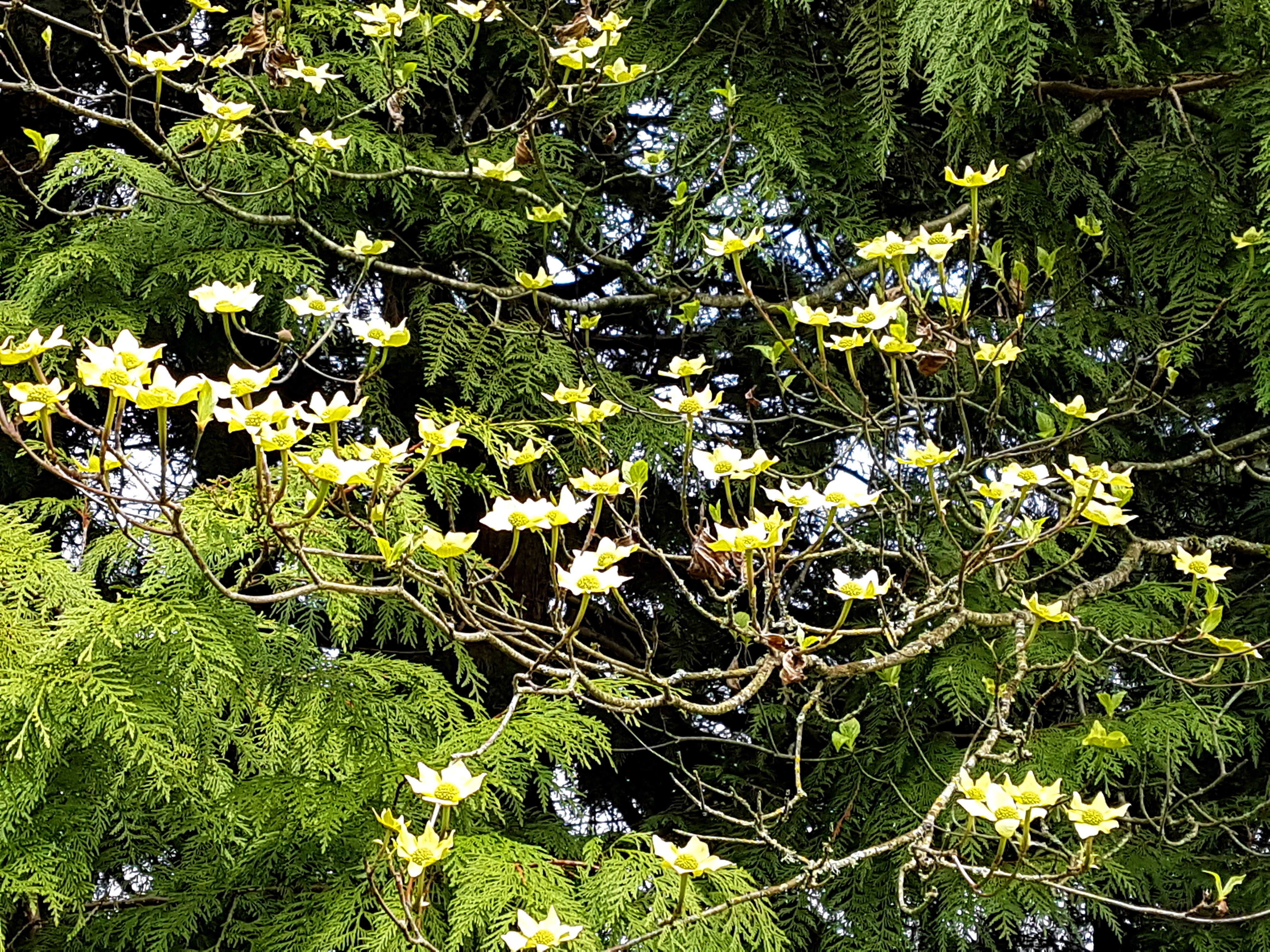
Photo by Andy Dawson ReidSecondly – the dogwood tree is in bloom. The Girl has apparently long hankered for a dogwood tree and we now have one. This makes her happy – and that makes me happy.

I read that dogwoods often suffer badly from lawnmower and trimmer cuts if they happen to be adjacent to lawns. If the bark is damaged at a low level the trees can become prone to infestation. Ours is a big tree as set so far back from the grass that it is actually in next door’s yard, so it is not in any such danger. If anything the reverse is the case. When the flowers drop on the lawn they do so in the form of hard husks which very rapidly take the edge off one’s mower blades!

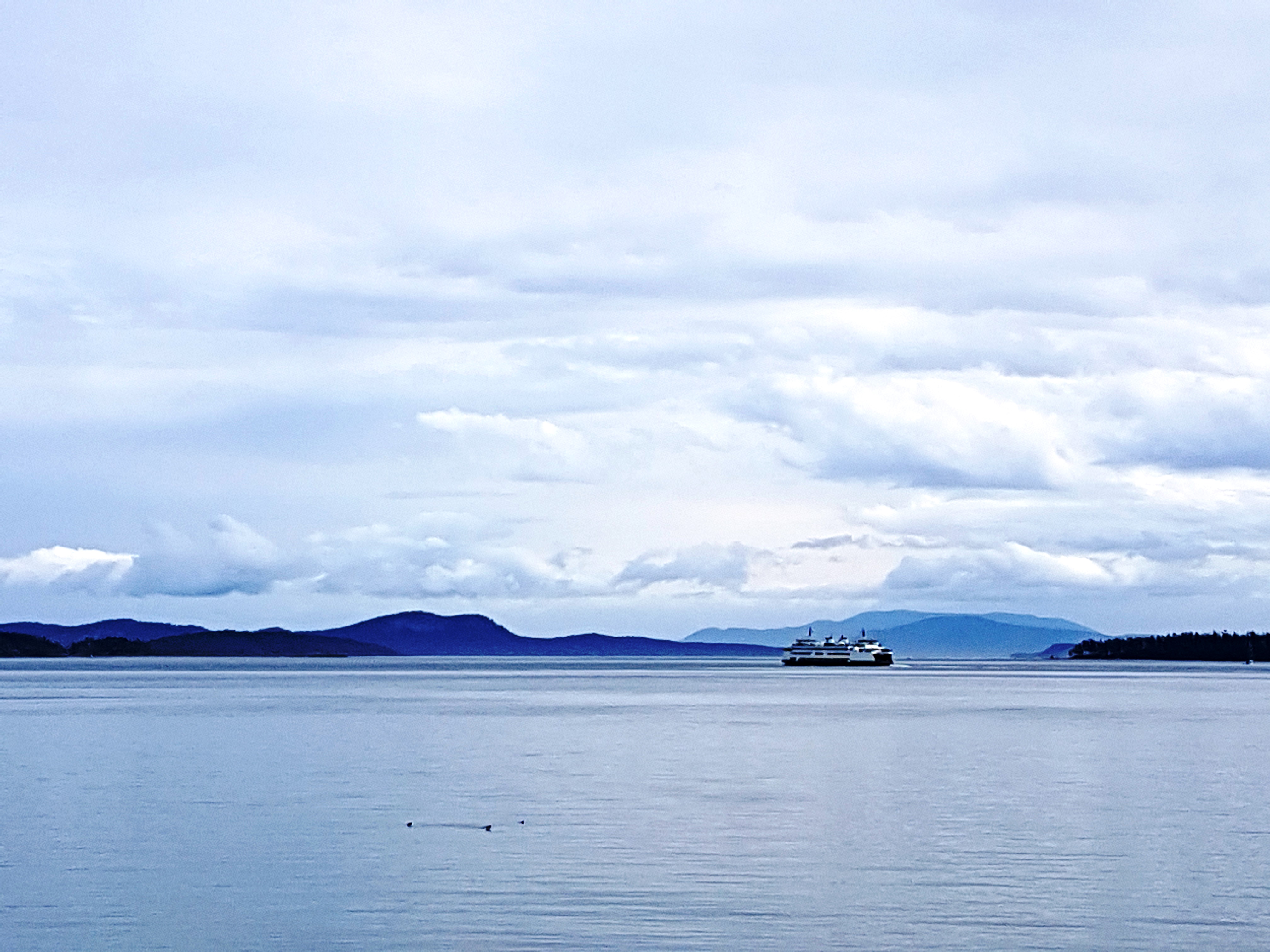
Final sign of spring? The return of the Anacortes ferry! During the winter months of January, February and March the little green and white car ferry – a familiar presence during the rest of the year and regular viewing from our windows and deck – voyages no further than the San Juan Islands, eschewing the last leg of the trip into Sidney. There is always a little quiet celebration in downtown Sidney when it is back on its usual route.

Good to see that spring is here again. Now let’s have some sunshine!
 

Wet coast

Photo by Andy Dawson ReidOne of the joys of living on the west coast of Canada – with its moderate oceanic climate and in what the World Wide Fund for Nature defines as the Pacific temperate rain forest ecoregion – is that we inhabit a verdant paradise of lush and abundant vegetation.

One of the drawbacks of living on the wet coast of Canada – with its moderate oceanic climate and in what the World Wide Fund for Nature defines as the Pacific temperate rain forest ecoregion – is that we inhabit a verdant paradise of lush and abundant vegetation!

Though the summers here on the tip of Vancouver Island tend to be dry and delightfully temperate, the winters incline to the aqueous. As I write this post I can gaze out of my studio window at a landscape that is undeniably ‘socked in’. I believe that the landscape is still there – but I cannot actually see any of it.

The result of all of this humectation is – naturally (see what I did there?) – that during the late winter and early spring all of that lush vegetation grows and grows and grows –  as though there were no tomorrow! It grows upwards – it grows outwards – and it presumably grows downwards as well!

Nature reveals itself to be the epitome of the doctrine of the survival of the fittest, with each species striving voraciously to overrun its neighbour in the ongoing quest for sunlight, water and nutrients. Left to its own devices the wonderful variety of plants in our delightful garden (yard!) would doubtless whittle itself down to just a couple of bigger, stronger brutes as all the weedy (there I go again!) specimens are trampled underfoot (I think I just stretched that particular metaphor a little too thin!).

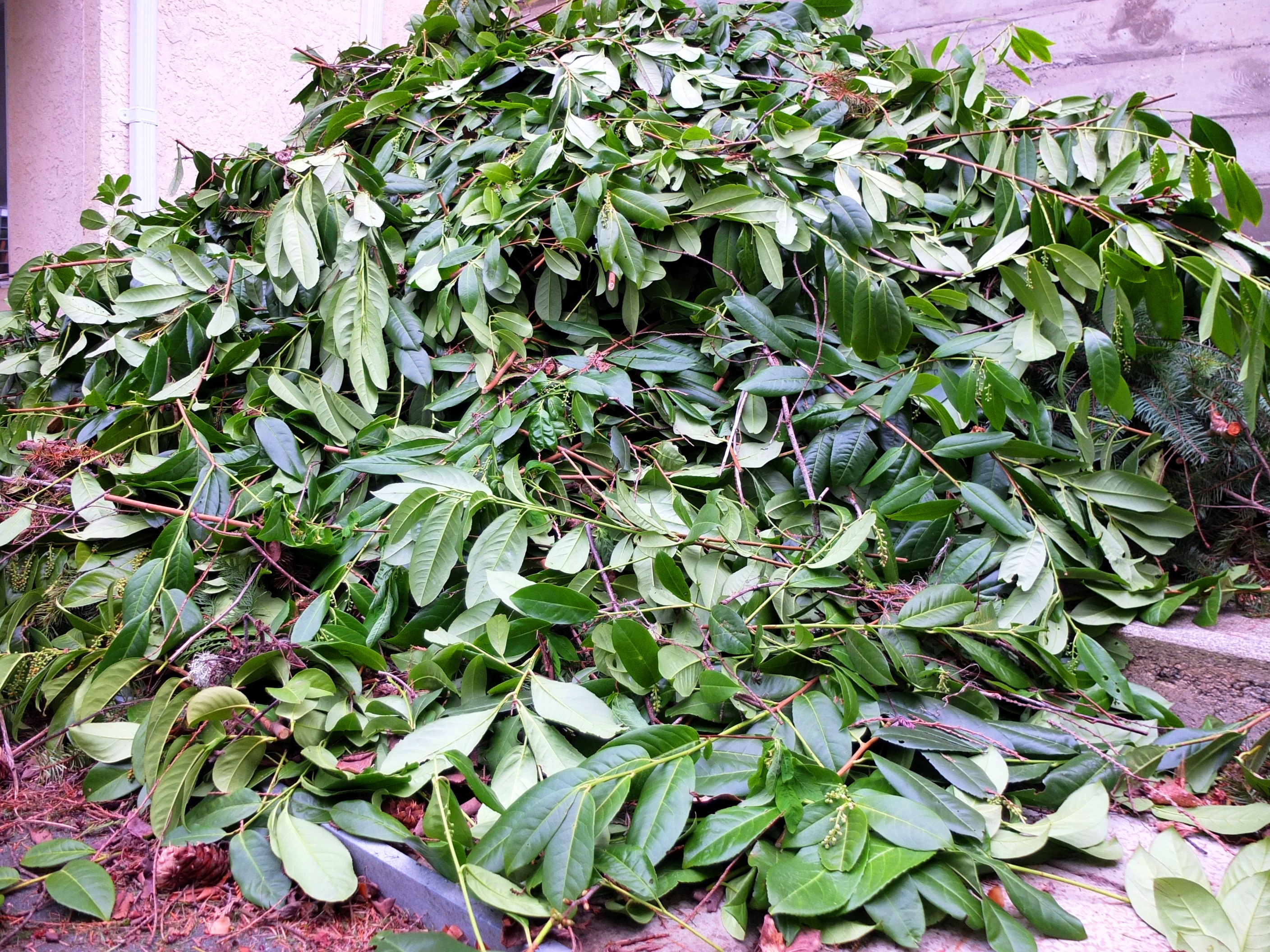
The bottom boundary of our compact but decidedly highly-desirable estate is bounded with splendid trees and dense foliage. This latter is mostly – as far as I am aware – laurel of one type or another. Now, apparently the Schipka Cherry Laurel – which appears to form the bulk of this hedge – has the following qualities:

  • Hardy to minus 10 degrees
  • Fresh, glossy evergreen foliage attractive all year round
  • Easily grown even in difficult urban conditions
  • Can be clipped into hedges and screens
  • Drought and deer resistant

It also grows around 2 ft a year up to a height of 18 ft! As this boundary growth had not been pruned back for at least two and a half years – and most likely rather longer than that – it was in serious danger of taking over the smaller shrubs in the bed in front of it, not to mention cutting off our view of the sea whilst simultaneously advancing on my croquet lawn!

Fortunately it can also be pruned really hard. Apparently it simply shakes itself off and starts growing again.

I do now have a huge pile of clippings to be disposed of. Any takers?

Island life – part 2*

Photo by Andy Dawson ReidOn the 9:00pm ferry from Tsawwassen to Swartz Bay – en route home after a weekend in Vancouver at the Canada Rugby Sevens (of which more later)…

Though clocks have already gone forward in Canada it is yet early in the year and the light has gone completely by the time we and a hoard of other contented rugby fans are ensconced in the cafeteria, snarfing down much needed victuals after a long and rousing day of cheering ourselves hoarse and singing lustily.

We have not even noticed that our moorings have been slipped and that we are heading out across the Georgia Strait when the purser comes the Tannoy:

Would the owner of a black Chrysler 300, licence plate xxxxx, please return to the car deck. You’ve left your lights on.”

BC Ferries run a tight ship (see what I did there) and do not care to have their schedules imperiled by a car or truck with a dead battery holding up the unloading.

We all snigger a bit at the poor sap who has left his lights on…

Five minutes later the purser is back on the horn:

Correction to my previous announcement concerning the owner of the black Chrysler 300, licence plate xxxxx. The lights aren’t the problem. The engine’s still running!

Incredulous guffaws fill the cafeteria. How embarrassing is that?

Five minutes later the purser is on again. In spite of the previous announcements it is clear that forgetting to turn his car engine off is only one of this particular driver’s shortcomings. He is, perhaps, deaf as well – or at least has his head wedged firmly where the sun don’t shine!

Full of sympathy for the poor schmuck we naturally all fall off our chairs laughing…

There are no further announcements. Either the recalcitrant owner has finally engaged his brain and put in a belated appearance or BC Ferries have simply decided that enough is enough, broken into the car and silenced it!

I guess we’ll never know…


*Part 1 here, by the way!


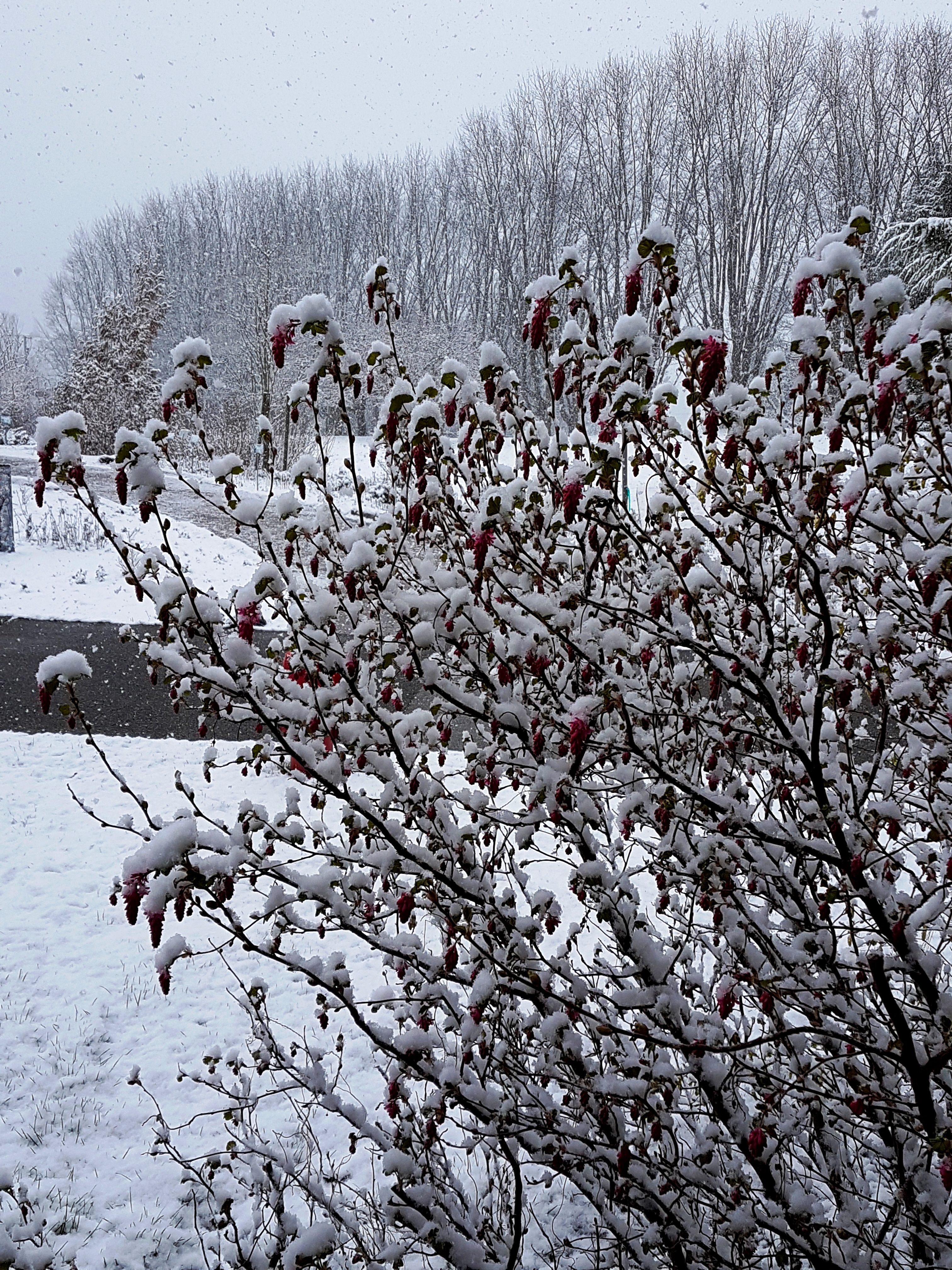
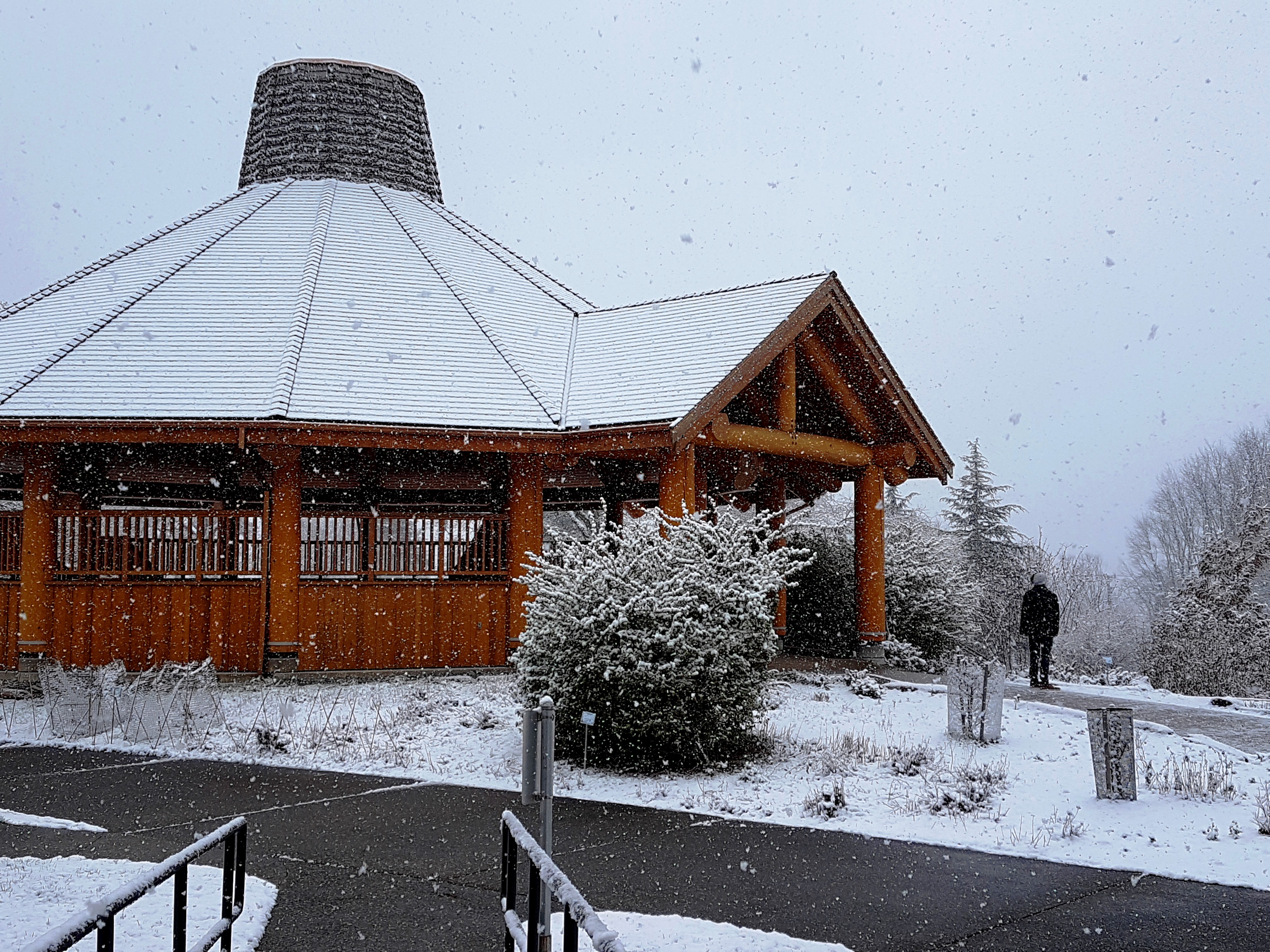
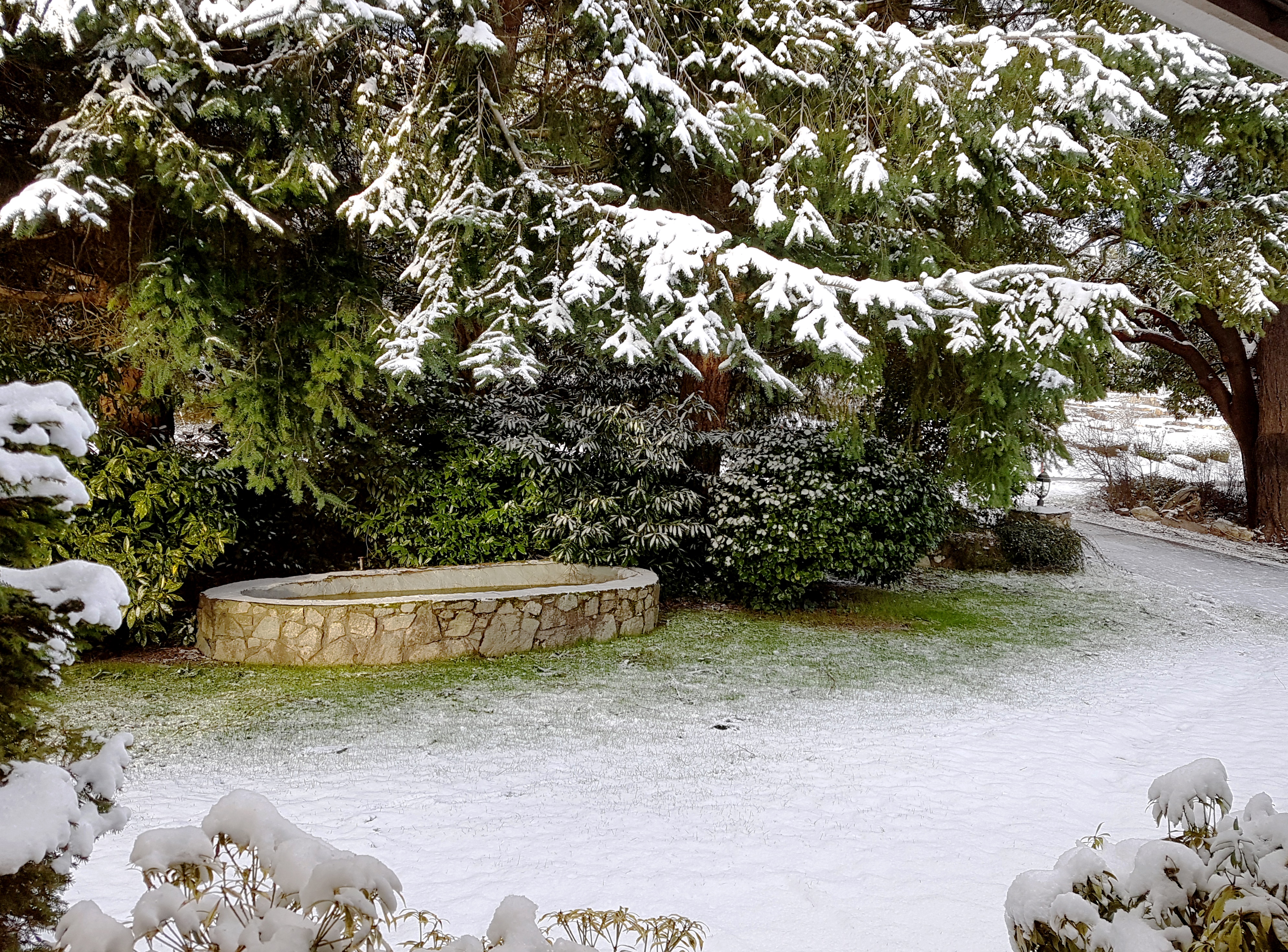
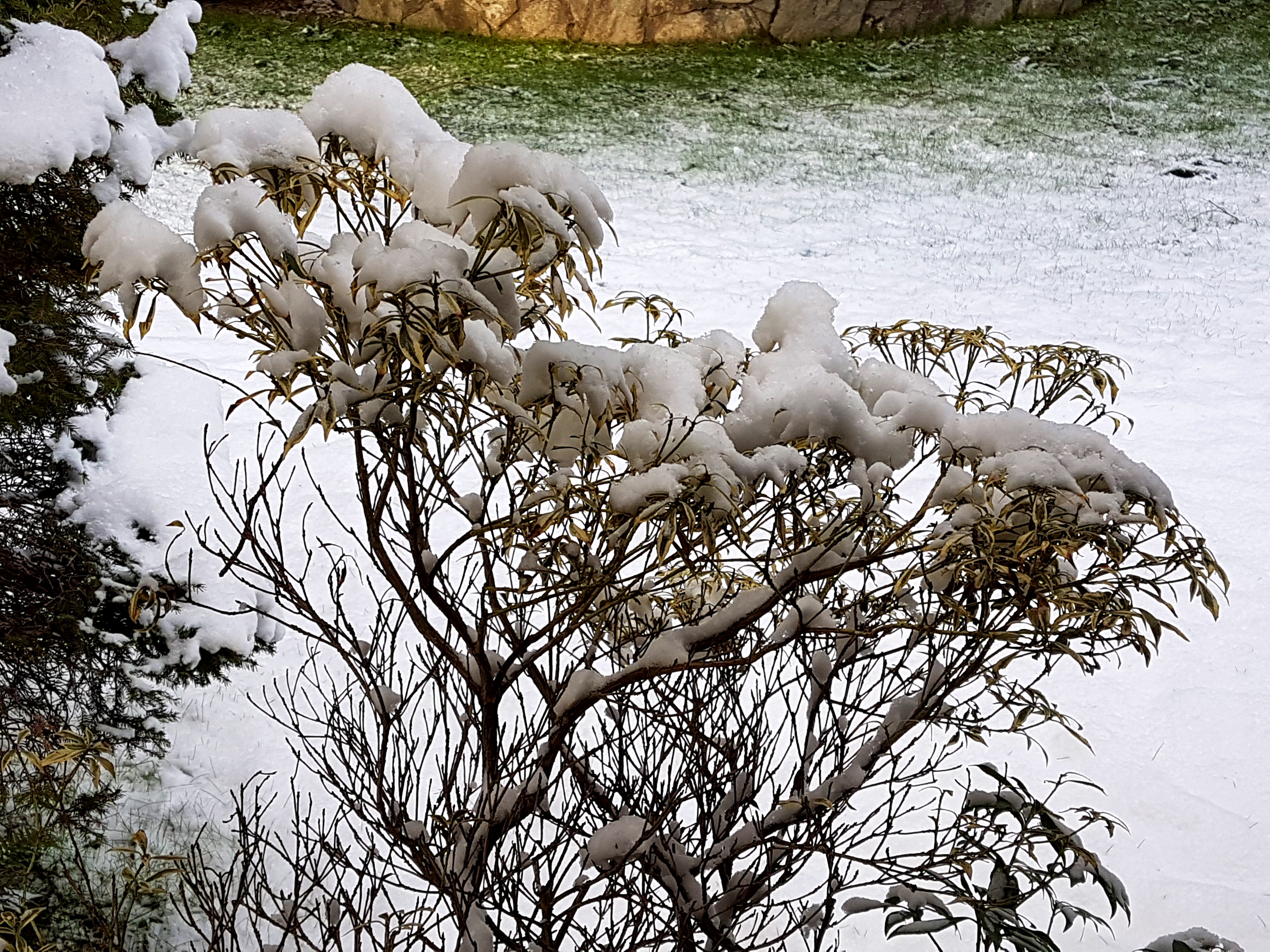
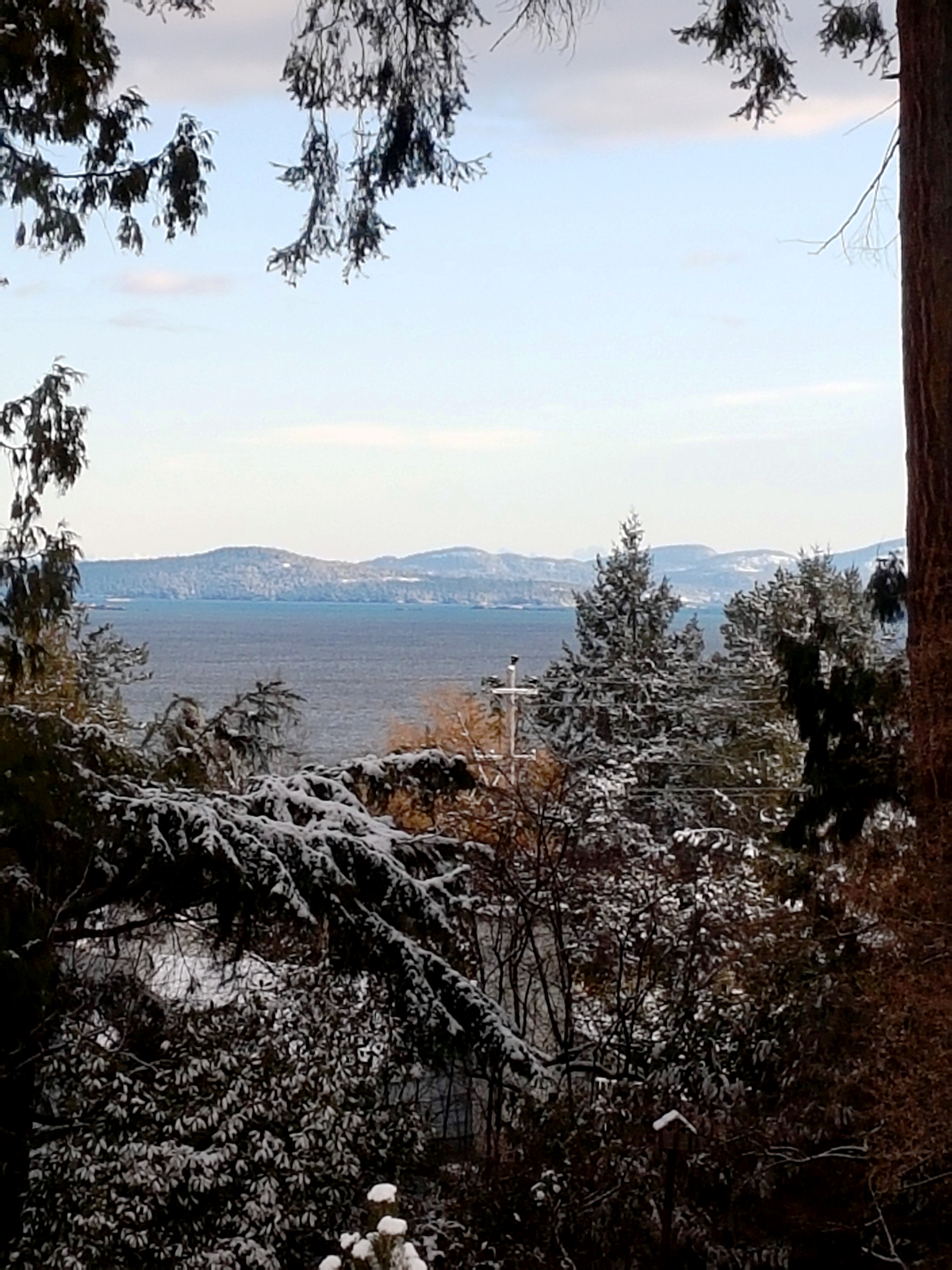
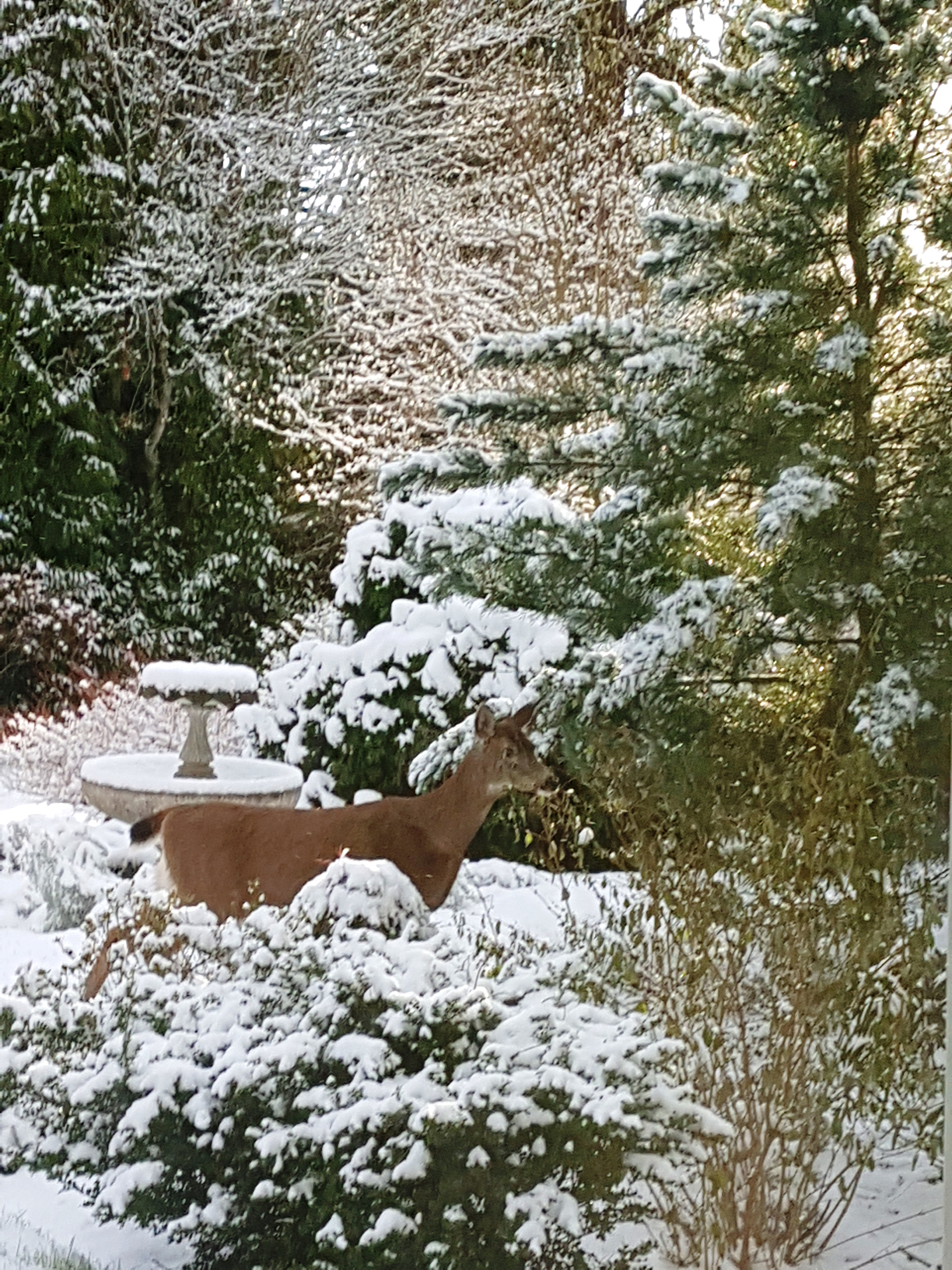
Woah! Where did that come from?

Flurries, they said… flurries!

Fair enough – it is the last week in February and we have not thus far – at the southern end of this fair isle – seen any snow at all (unless we missed some whilst away in Mexico!)… but I for one was certainly not expecting this little lot! I thought the only white stuff we were going to see was via the big screen from South Korea…

Oh well! I feel sure that spring is just around the corner…

Photo by Andy Dawson ReidPhoto by Andy Dawson ReidPhoto by Andy Dawson ReidPhoto by Andy Dawson ReidPhoto by Andy Dawson ReidPhoto by Andy Dawson Reid

Food for thought

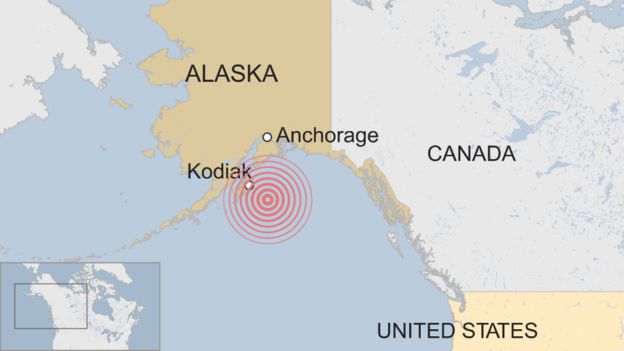
Graphic from the BBCLast night a 7.9 magnitude earthquake struck the coast of Alaska near Kodiak. The epicentre was some 150 miles off the coast and 12 miles deep but the quake raised fears of a tsunami along the Alaskan and British Columbian coastlines and warning sirens were sounded in particularly vulnerable areas.

With regard to Victoria Cormac O’Brien reported in The Martlet:

“At 1:40 a.m. this morning, the Government of Canada issued a tsunami warning to residents in low-lying areas of Greater Victoria and residents on the west coast of Vancouver Island.

The warning was made via Twitter, online CBC broadcasts, and on television. Official emergency Twitter accounts for the region recommended moving away from beaches, bays, and inlets, and instead move to higher ground away from the coast. There, they should await instructions from local officials.”

When it rapidly became apparent that there was to be no significant tsunami – waves being no more than a few feet in height – the warning was cancelled and the all-clear given by 4:30am.

Now – although there are reports of early morning gatherings on Mounts Tolmie and Doug, I suspect that many people in the Greater Victoria area discovered that they had missed the warning in much the same way as did we: The Girl finding the tweets on her phone when she awoke.

Should we be worried by this?

Well – probably not. Living on the east coast of Vancouver Island and surrounded by the Gulf Islands we are probably reasonably well protected against waves arriving from the open Pacific to the west. Further, the tsunami warnings advise moving to ground at least 30 metres above sea level. Though our home is only about 500 metres from the shoreline we are a surprising 60 metres above the high tide line.

No room for complacency of course and yet another reminder of the indifferent powers of Mother Nature.

Just a normal Friday…

Having been out for a significant chunk of the day on Friday last (not returning home until around six o’ clock of the evening) I realised on our return that I had not yet checked the mail.

Now – for our first month in this house, back in 2015, the post was still delivered to the door. Ever since then we have been obliged to scamper along to far end of the terrace to the new roadside mailbox stack – an ‘improvement’ to the service which has naturally been planted in quite the most inconvenient of locations. These days I usually break out the bike and cycle up the road: Friday being no exception.

As I went to get my bicycle from the store in which we keep all of our outdoor equipment I glanced – as is my habit – out to sea. I was immediately taken by an unusual pattern of marine movement; an odd assemblage of a not insignificant number of assorted vessels. One gets quite used to the tracks that boaters take across the bay and this unusual gathering of craft – some eight or ten of them – was definitely not normal. Something was up.

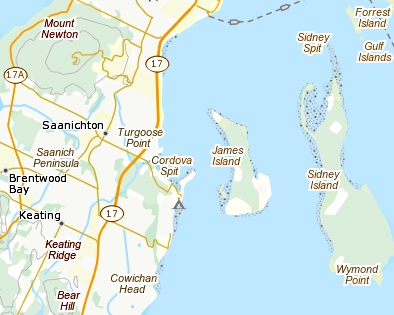
We live up on the hillside above Highway 17 (the Pat Bay) at a point at which it follows the coast quite closely (a little below the uppermost ’17’ on the accompanying map) on about the same latitude as the top end of James Island. It takes less than five minutes to ride down the hill and to cross the highway on the pedestrian bridge to get to the shore. Coming back up takes a a little longer as one might expect, for the gradient is quite severe.

As I rode along the terrace I could see that the cluster of boats below was still extant, though now moving slowly southwards down the coast. Curiosity got the better of me and I decided that I just had to ride down to see what was going on. Once I reached the waterfront I could see that the craft had arranged themselves into a broad U-shape between the shore and James Island – a stretch of water called the Cordova Channel. There was clearly something unseen at the centre of this formation.

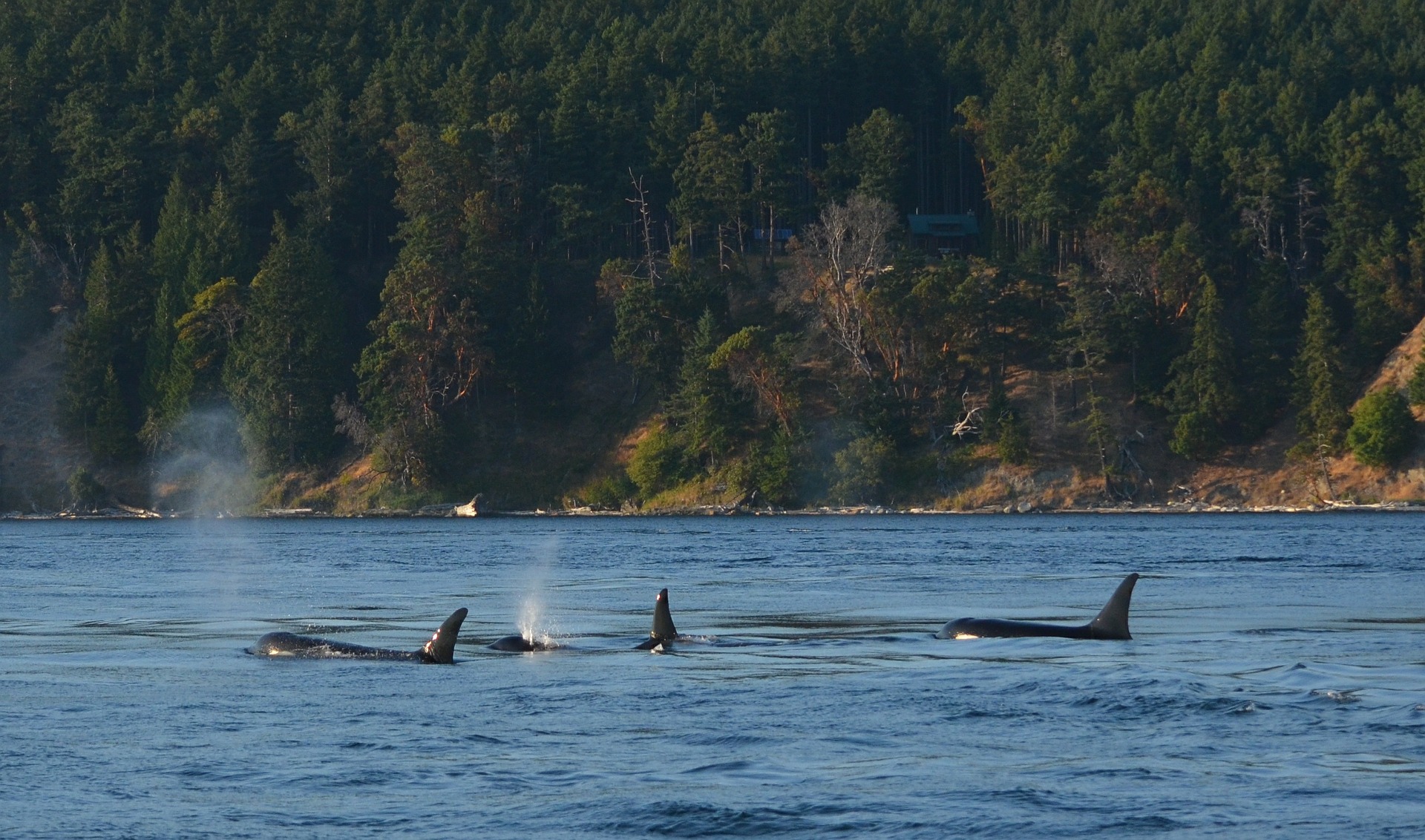
Image by djmboxsterman on PixabayA little patient watching and waiting revealed the answer: a pod of some five or six Orcas! My best guess is that the boats were trying to guide the Orcas out of the channel into the open ocean, thus preventing any of them becoming beached in the shallows around Cordova Spit.

What a stunning and beautiful sight! Inevitably I had neither camera nor mobile phone with me (hence the splendid stock image accompanying this piece) though I very much doubt that I could have got any decent shots in any case.

This is not a sight that one sees every day. Had anyone suggested – ten years ago – that on a Friday evening in August I would have been watching a flotilla of small boats shepherding a pod of killer whales past the bottom of my garden…

…I would have had a good chuckle!

Normal service

Now that the wildfire smoke has dissipated – from the coastal regions of southern BC if from nowhere else – much of the Salish Sea and its surroundings have sprung back into their normal summer focus… with bright sharp colours and sparkling vistas.

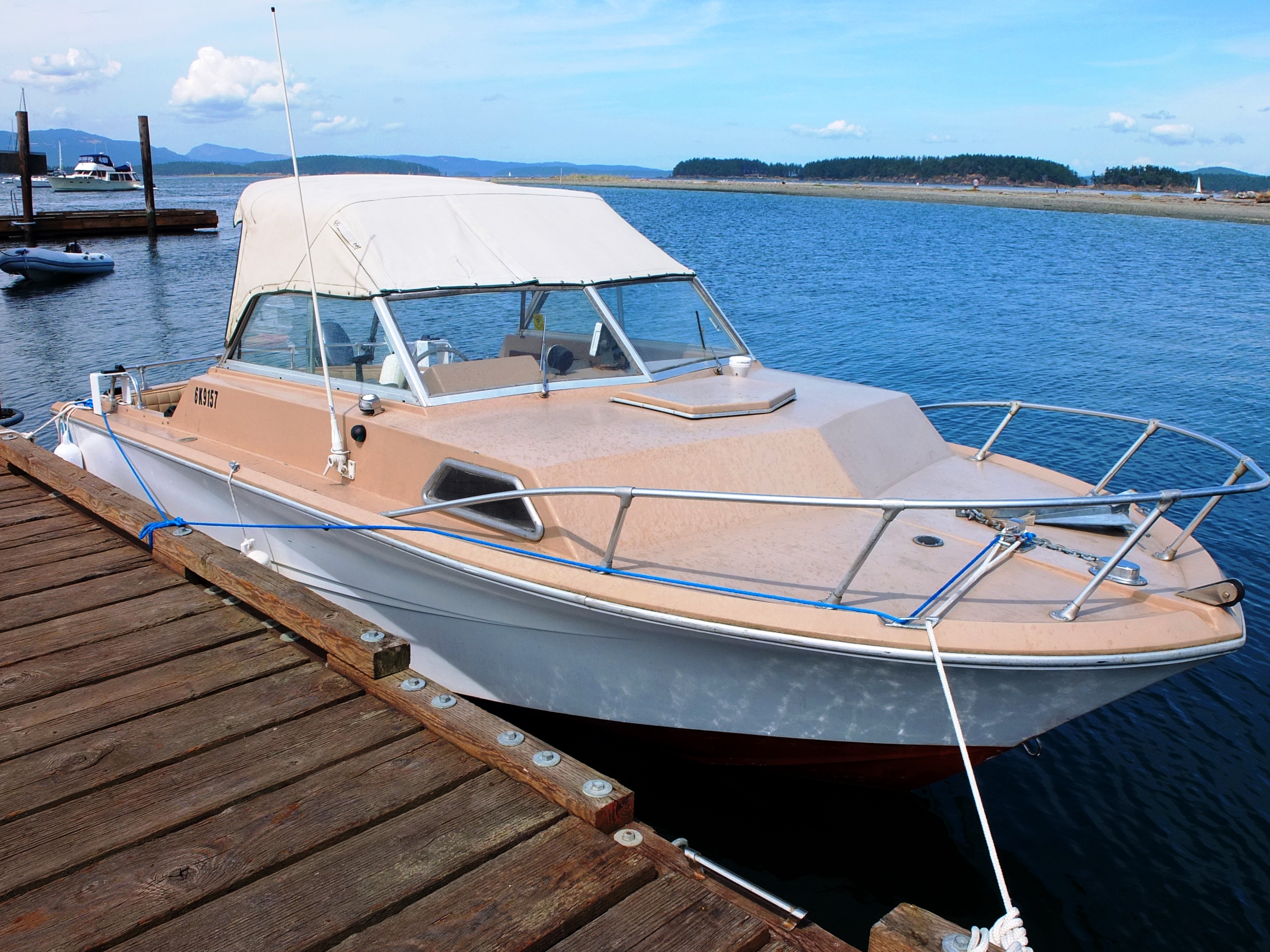
A trip with good friends on ‘Dignity’ to Sidney Spit provided an opportunity for some relaxed photographic reconnaisance:

Photo by Andy Dawson ReidPhoto by Andy Dawson ReidPhoto by Andy Dawson ReidPhoto by Andy Dawson ReidPhoto by Andy Dawson ReidPhoto by Andy Dawson ReidPhoto by Andy Dawson Reid

The wind of change

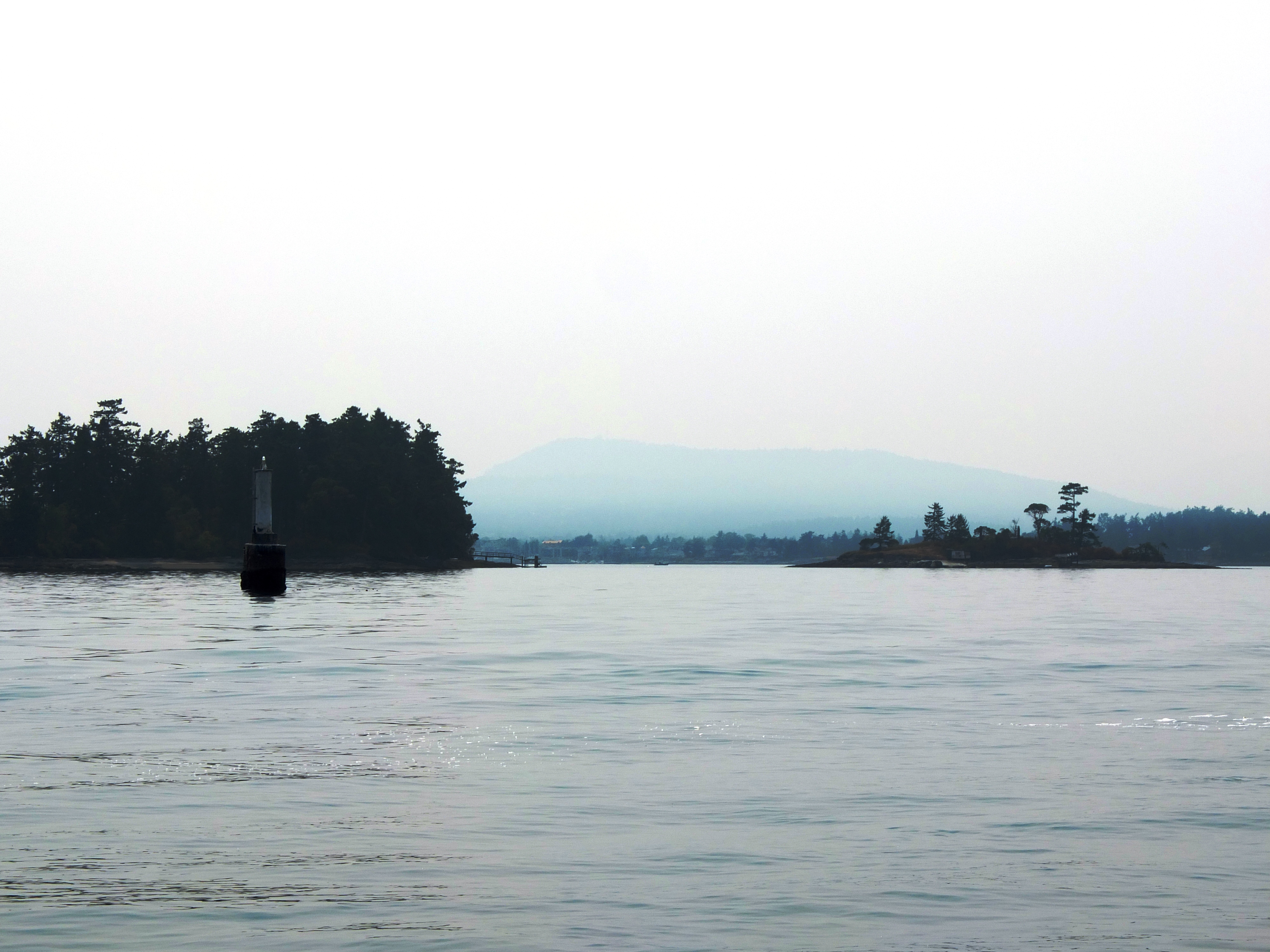
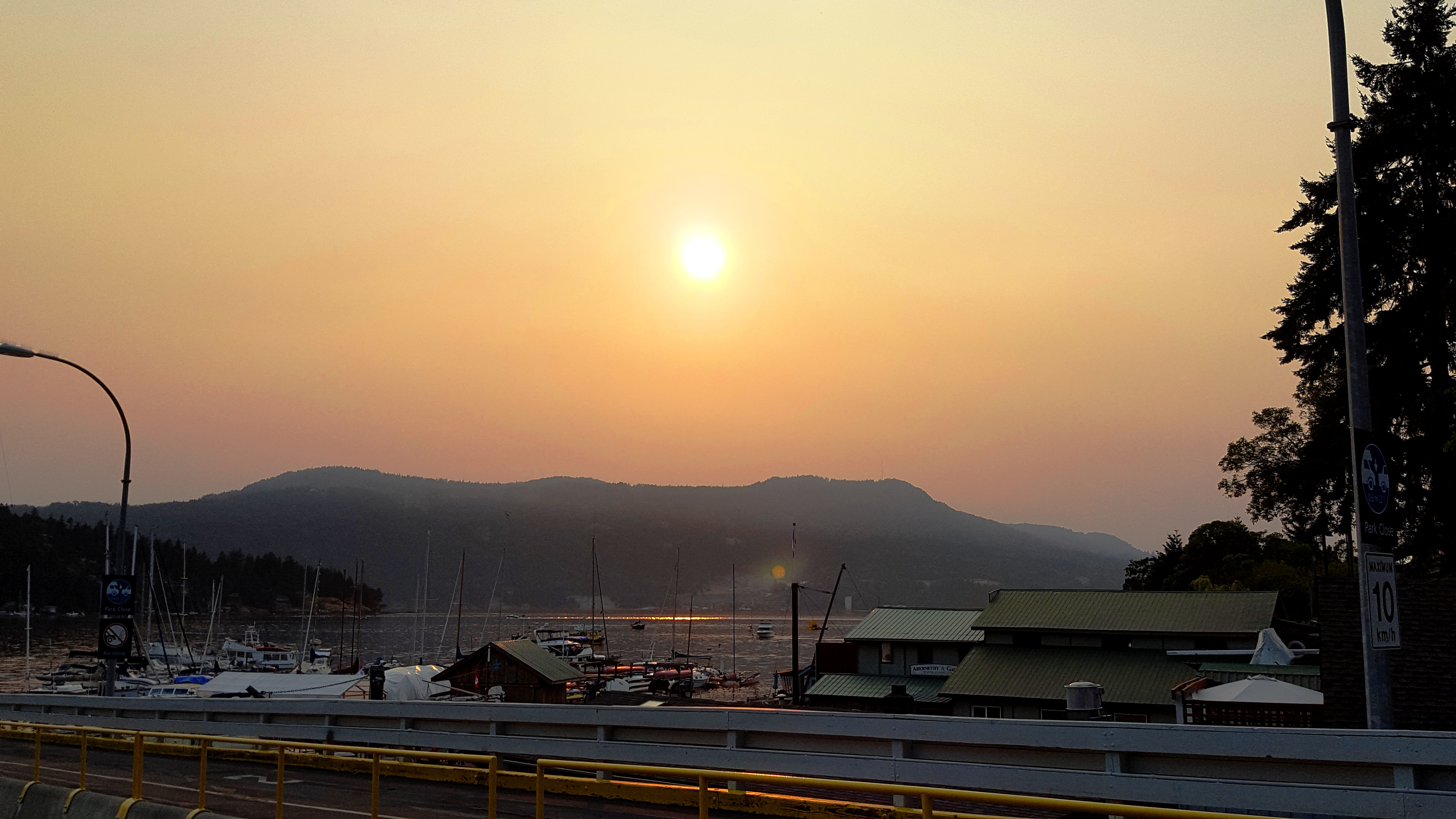
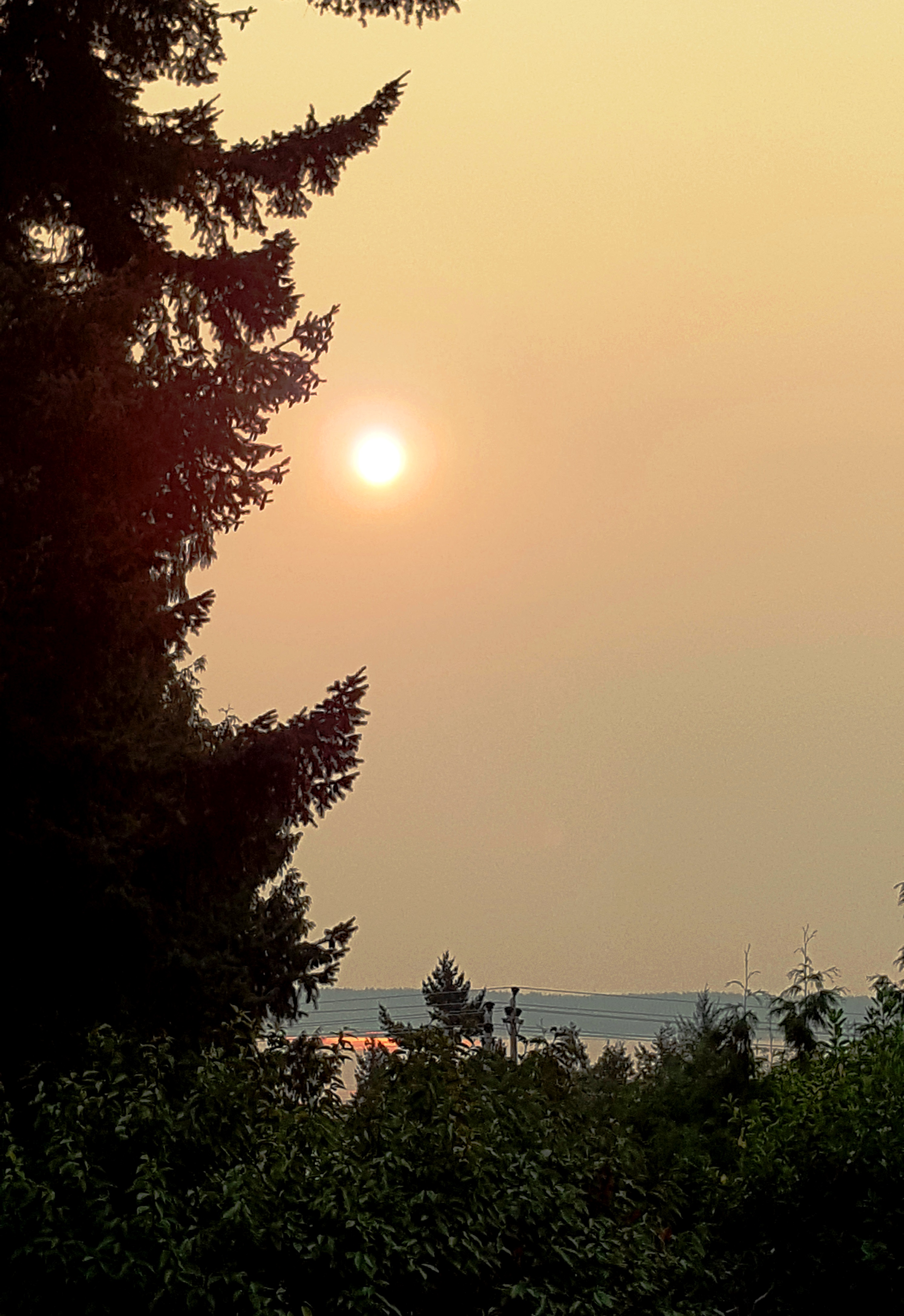
For the past twelve days the Georgia Strait and surrounding areas have been enveloped in a miasma of smoke from the wildfires (to which I made reference in this earlier post) which are still ablaze in the BC interior. The image at the head of this missive (and at the top of my last post) give an idea of the impact that this effluvium has had.

There have been mornings on which my customary first gaze out of the windows has given the rapid impression of a seriously hazy day, only for the realisation to dawn that the layer of vapour was not the result of any early morning micro-climatic condition, but rather a dense layer of smog lying immovably atop the sea.

The more northerly view from our deck normally reveals Moresby Island, with the higher Pender Island pair behind. On a clear day we can see further – all the way to the mountains behind the Sunshine Coast north of Vancouver. The more southerly view stretches out across Sidney Island to the American San Juan islands beyond – and then all the way to distant Mount Baker.

For the last several weeks it has been just about possible to make out Sidney Island, but even Moresby has occasionally disappeared into the murk, leaving only the Little Group visible in the immediate foreground.

It really has all been quite depressing.

The reason that this cloud of noxious fumes has hung low over the sea (and of course over Greater Vancouver and beyond) for so long is that a ridge of high pressure became wedged over the BC coast – depriving the region of the usual cleansing zephyrs that should have dissipated the pollutant.

Finally, yesterday (Saturday), the weather system began once again slowly to move, the winds changed direction and – as if by magic – the banks of smoke dissolved, leaving ‘not a rack behind’. The sun renewed its efforts and Mount Baker became once again illuminated by the late afternoon glow.

Then, as an evening of croquet and good cheer in the garden with our dear friends from Saanichton entered its twilight phase, the first rains for nearly two months began gently to fall.

Today the world (this part of it at least) is a different place!

Smoke on the water

Photo by Andy Dawson Reid
Smoke from wildfires in the BC interior hangs heavily over the Malahat mountain opposite Brentwood Bay on Tuesday night.

2017 is already one of the worst years for wildfires in recent times and the situation is expected to deteriorate further as the province heads into a heatwave over the next few days, with temperatures soaring into the high 30’s Celsius in places.

More than 800 fires have been tackled since April 1st – of which some 138 are still active and currently being fought by around 3,700 firefighters. Additional firefighters from other provinces are joining the battle as well as – for the first time – more than one hundred from Mexico.

Whereas the early part of the year was marked by above average rainfall (with records for precipitation set in Metro Vancouver and Greater Victoria during March) it has not now rained in Victoria since the middle of June.

No sign of Mount Baker either…

Photo by Andy Dawson Reid